






What is the Badal Raag Samaroha?
Each year, as the monsoon clouds gather, the city of Bhopal hosts the Badal Raag Samaroha, a festival dedicated to the arts inspired by the rainy season. Organized by the Government of Madhya Pradesh's Department of Culture in collaboration with the iconic
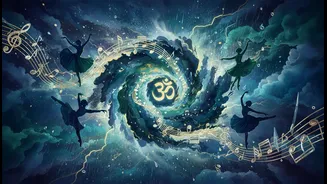
Bharat Bhavan, this multi-day event brings together some of the country's most accomplished artists. The festival's name itself is revealing: 'Badal' means cloud, and 'Raag' is a melodic framework in Indian classical music. 'Samaroha' simply means festival or celebration. Put together, it is a celebration of the melodies of the clouds. The event features a rich tapestry of performances, from Hindustani classical vocals and instrumental music to various forms of classical dance, all themed around the many moods of the monsoon.
The Monsoon's Central Role in Indian Arts
To understand the festival, one must first appreciate the monsoon's profound impact on Indian culture. After a long, hot summer, the rains bring relief, renewal, and a spectrum of deep emotions. This has made the monsoon a powerful and enduring muse for poets, musicians, and dancers for centuries. The season evokes feelings of longing (viraha) for a distant lover, the joy of reunion, the dramatic beauty of a thunderstorm, and the peaceful patter of a steady drizzle. Classical arts serve as a perfect medium to explore these complex emotions, transforming the weather into a rich, sensory experience for the audience. The Badal Raag Samaroha is a living embodiment of this tradition.
Decoding the Music: What is a 'Raag'?
The term 'raag' can seem complex, but the concept is beautiful in its simplicity. A raag is not just a tune but a specific set of notes and musical rules that create a particular mood or atmosphere. The word's origin comes from the Sanskrit 'ranj', which means 'to color'. So, think of a raag as a musical colour palette used to paint an emotional picture. In Hindustani classical music, many ragas are tied to specific times of day or seasons. The Badal Raag festival prominently features 'monsoon ragas'. The most famous of these is the Malhar family of ragas, which are so strongly associated with rain that legends claim singing them with pure devotion can actually induce a downpour. Ragas like Miyan ki Malhar, Megh, and Desh are performed to capture the essence of the season, from the dramatic tension of gathering storm clouds to the sheer joy of the first showers.
The Dance of the Rain Clouds
Dance at the Badal Raag Samaroha is as crucial as the music. Classical dance forms like Kathak, Odissi, and Bharatanatyam offer a visual and narrative interpretation of the monsoon's themes. Through 'abhinaya', the art of expression, dancers convey elaborate stories and emotions without speaking a word. A dancer might portray a 'nayika' (heroine) waiting for her beloved as the rains begin, her gestures expressing both hope and anxiety. The performance might depict Lord Krishna playing in the rain or the majestic dance of a peacock heralding the clouds. In past festivals, artists have presented famous monsoon-themed literary works like Kalidasa’s ‘Meghadutam’ (The Cloud Messenger) through Odissi, or used the intricate footwork and spins of Kathak to mimic the patterns of rainfall.
An Accessible Celebration of Culture
What makes the Badal Raag Samaroha special is its role in making classical arts accessible. Held at Bharat Bhavan, a renowned multi-arts complex in Bhopal, the festival typically offers free entry to the public, encouraging everyone from seasoned connoisseurs to curious newcomers to attend. The event is not just a series of concerts; it's a community gathering that celebrates a shared cultural and natural heritage. It breaks down the perceived barriers around classical music and dance by placing them in a context everyone understands: the arrival of the life-giving rains. It’s an opportunity to witness legendary performers and rising stars alike, all united by the common theme of the monsoon, creating an atmosphere that is both artistically profound and deeply relatable.