




The Rise and Reign of Grey
Let’s be fair: grey had a good run for a reason. In the 2010s, as the world embraced Scandinavian minimalism and a clean, almost digital aesthetic, grey was the perfect backdrop. It was modern, versatile, and a sophisticated alternative to the builder-grade
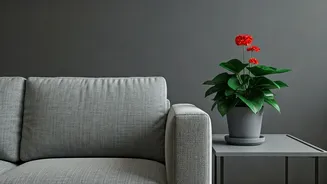
beiges of the past. It promised a serene, uncluttered life, a visual palate cleanser in a chaotic world. Paired with white trim and stark black accents, it became the uniform for modern homes, cafés, and offices. It felt safe, chic, and incredibly easy to style. For many in India, it was a way to adopt a global design language, a departure from the more traditional, often colourful palettes of previous generations. Grey felt like the future.
A Collective Craving for Comfort
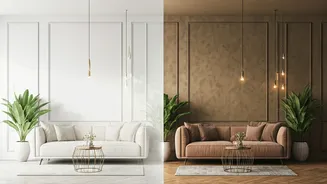
So, what changed? In a word: everything. The global pandemic forced us indoors, transforming our homes from mere living spaces into offices, schools, and sanctuaries. We spent more time within our four walls than ever before, and we started to realise that sterile, cool-toned environments weren't necessarily comforting. The very qualities that made grey feel clean and minimalist—its coolness, its lack of personality—began to feel impersonal and bleak. We started craving warmth, cosiness, and spaces that felt nurturing and alive. A cool grey wall, which once felt calming, suddenly felt like a cloudy sky you couldn't escape. The psychological need for comfort and cheerfulness began to outweigh the aesthetic desire for detached minimalism.
Introducing the New Neutrals
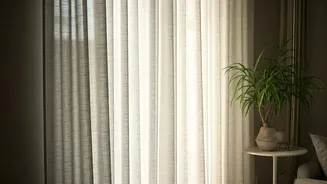
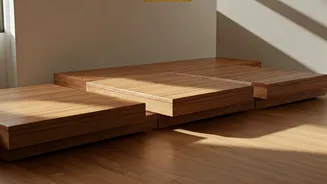
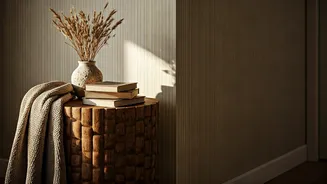
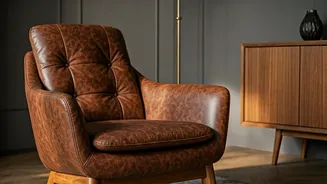
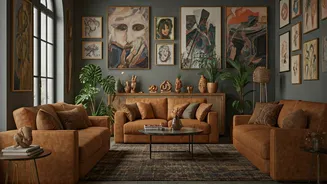
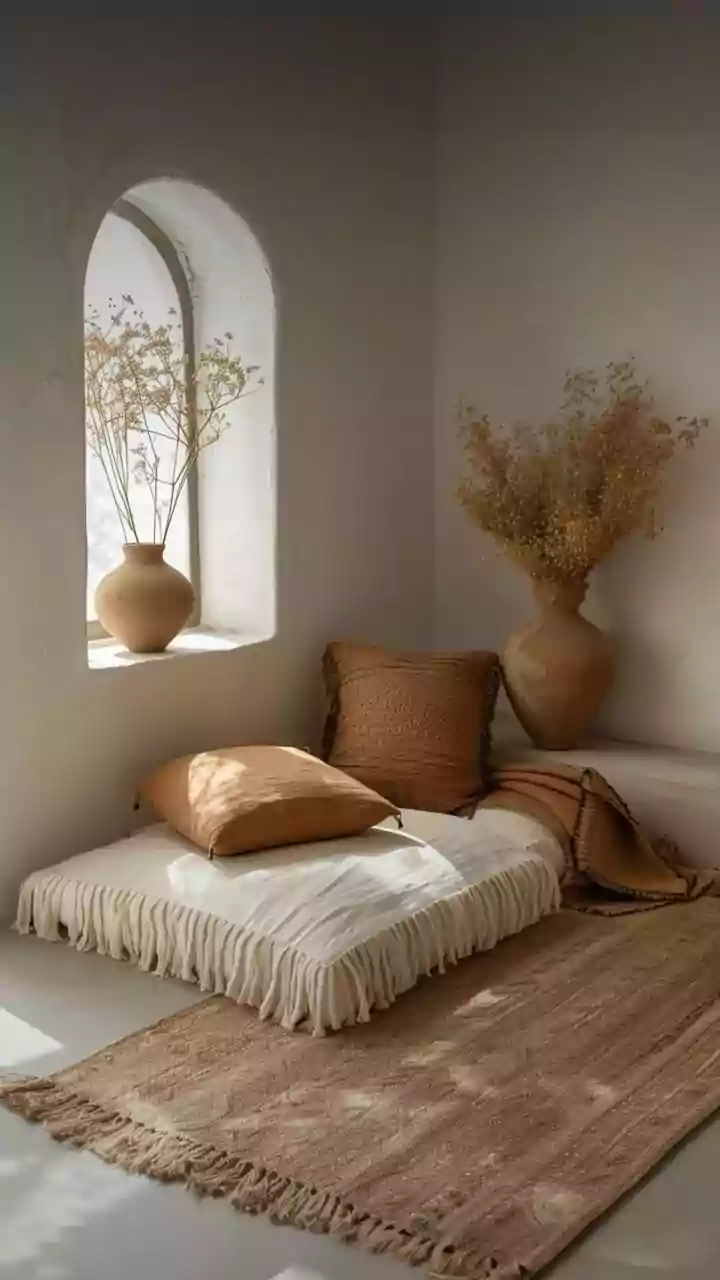
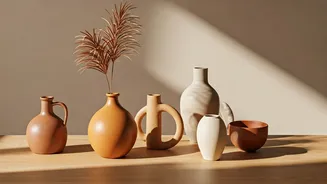
The design world has responded with a definitive shift towards warmer tones. Grey isn’t disappearing entirely, but it’s evolving. Say hello to 'greige' (a mix of grey and beige), mushroom, taupe, and rich, earthy browns. These colours provide the same neutral foundation as grey but with an added layer of warmth and complexity. They connect us to the natural world—think colours of stone, clay, sand, and soil. These warmer neutrals are just as versatile but far more inviting. They pair beautifully with natural textures like wood, rattan, linen, and jute, materials that have also seen a massive resurgence. The new goal isn’t a perfect, untouchable showroom; it’s a layered, liveable, and welcoming space.
The Joyful Return of Colour
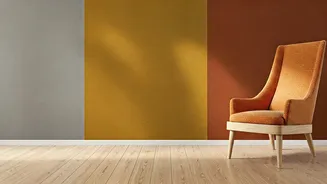
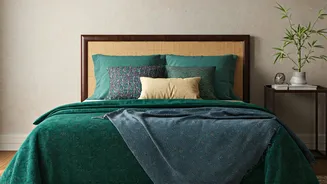
Beyond the new neutrals, there's an even more exciting trend taking hold: the unapologetic return of colour. This isn’t just about a single accent wall. We're seeing 'dopamine decorating'—using colour to actively boost your mood. Think deep jewel tones like emerald green and sapphire blue, rich terracottas and ochres, and even soft, playful pastels. In the Indian context, this feels less like a new trend and more like a return to our roots. Our design heritage is steeped in vibrant hues, from the rich colours of textiles and tapestries to the intricate patterns in our architecture. Moving away from monotonous grey is an opportunity to re-embrace this love for colour and create spaces that reflect our culture and personality with confidence.
How to Move On From Grey
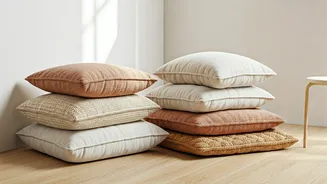
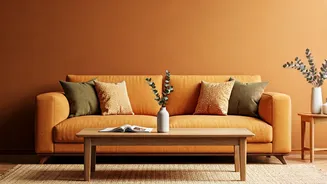
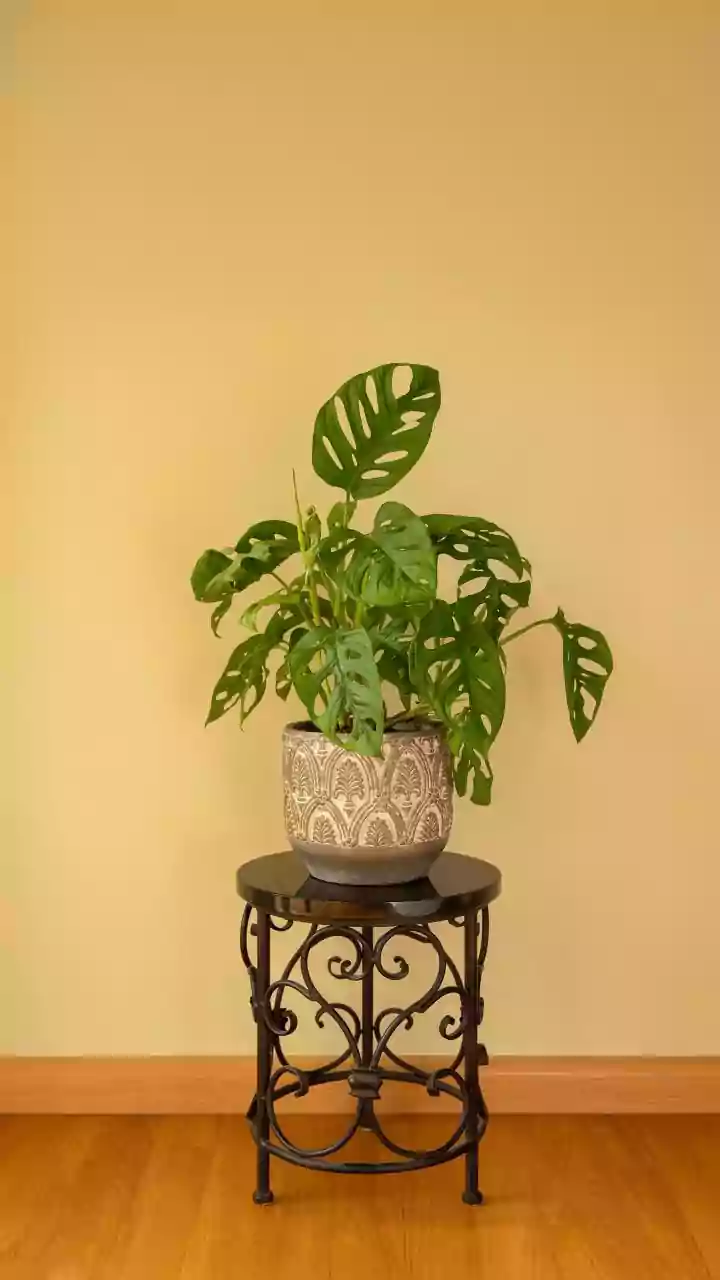
If your home is currently a sea of grey, don’t panic. You don’t need a complete overhaul. The transition can be gradual and affordable. Start small. Introduce warmth through textiles: swap grey cushions for ones in rust, mustard, or olive green. Add a warm-toned jute or wool rug over your floor. Bring in natural elements like wooden side tables, terracotta pots, and plenty of indoor plants. Change your light bulbs to a warmer white (around 2700K) to instantly shift the room's mood. Even adding brass or gold metallic accents can cut through the coolness of grey. The idea is to layer in warmth and personality, piece by piece, until your home feels less like a magazine spread from 2015 and more like a true reflection of you in 2024.