
The Boom in Wellness and Healing
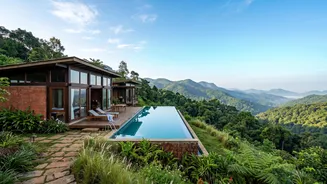
Travel is no longer just an escape; it is a tool for restoration. The Indian wellness tourism market is experiencing significant growth, expected to reach nearly USD 31 billion in 2026. This isn't just about adding a spa day to a trip. Travellers are
now planning entire holidays around holistic health, seeking everything from Ayurvedic treatments and yoga retreats to digital detoxes and mental wellness programs. Destinations like Ananda in the Himalayas and Six Senses Vana are leading this charge, offering immersive programs that blend ancient healing traditions with modern luxury. The government is also simplifying access with initiatives like the e-Ayush visa, making it easier for international visitors to seek non-surgical traditional therapies. This trend reflects a deeper shift towards prioritising mental and physical well-being as a core part of the travel experience.
Spiritual Journeys Reimagined
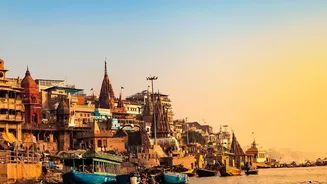
Spiritual tourism has long been a pillar of Indian travel, but it's now being embraced by a younger demographic. Gen Z now accounts for more than half of the bookings to spiritual destinations, viewing these trips not just as religious pilgrimages but as journeys of self-discovery. Destinations like Varanasi, Rishikesh, Ayodhya, and Ujjain are seeing a massive surge in interest. On New Year's Day 2026, for example, the Kashi Vishwanath Temple saw over five lakh devotees. This new generation of spiritual travellers is looking for more than just a temple visit; they seek cultural immersion, heritage walks, and authentic local experiences, blending faith with exploration. The sector is becoming a core pillar of domestic travel, with religious tourism accounting for an estimated 60% of all domestic tourism in 2025.
The Rise of Sustainable and Conscious Travel
As travellers become more environmentally aware, sustainability is moving from a niche preference to a mainstream demand. An increasing number of Indian travellers are choosing eco-friendly accommodations and experiences that minimise their environmental impact and contribute positively to local communities. This trend involves seeking out eco-certified properties, participating in community-led tourism initiatives, and visiting destinations that prioritise conservation. Eco-tourism is a fast-growing segment, with travellers keen to explore India's fragile ecosystems like the Himalayas and the Western Ghats responsibly. The focus is on authentic connections, whether through homestays that support local families or by engaging in activities that preserve cultural heritage, ensuring that tourism growth does not come at the cost of authenticity or the environment.
Experiential and Immersive Itineraries
Today's traveller wants to do more than just see; they want to participate. The demand for experiential travel—which focuses on immersive activities over passive sightseeing—is skyrocketing, projected to become a dominant force in Indian tourism. This shift is largely driven by younger travellers who prioritise creating unique memories and developing new skills. Instead of pre-packaged tours, people are seeking out pottery workshops, cooking classes with local chefs, and multi-day treks through remote villages. The motivation is to form a genuine connection with a place and its people. This trend is pushing operators to design more creative, activity-based itineraries that cater to individual interests, from cultural deep dives and adventure sports to attending local festivals.
The 'Bleisure' and 'Workation' Wave
The line between work and leisure is becoming increasingly blurred, giving rise to 'bleisure' travel—the practice of adding vacation days to a business trip. India is at the forefront of this global trend, with professionals taking an average of 7.4 such trips annually. The flexibility of remote work has also fueled the 'workation' phenomenon, where individuals temporarily relocate to scenic destinations to work. Popular business hubs like Bengaluru and Hyderabad are now common launchpads for quick getaways to nearby leisure spots like Coorg and Hampi. This trend allows busy professionals to explore new places without taking extensive leave, making travel more frequent and integrated into their lifestyles.