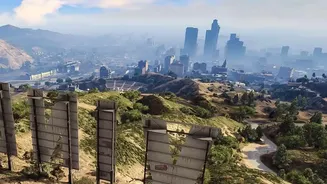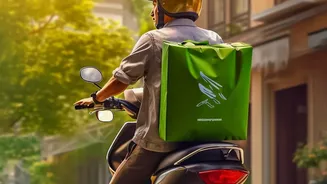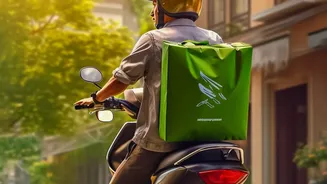








The launch of Grand Theft Auto 6, one of history's most anticipated video games, is doing more than just gluing players to their screens. In a fascinating blend of digital fantasy and reality, it's causing a real-world food delivery boom in Miami.
The Vice City Effect
As millions
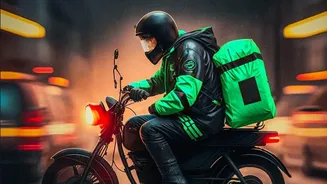
of players began exploring the fictional state of Leonida and its neon-soaked hub, Vice City, their real-world counterparts in Miami were reaching for their phones. Food delivery platforms have reported a significant surge in orders, creating a direct economic link between the game's virtual world and the city that inspired it. On the night of the game’s release, DoorDash reported that late-night orders in Miami jumped by nearly 25 percent, the largest increase of any market it tracked. Uber Eats saw a similar spike, with orders between midnight and 5 a.m. climbing over 30 percent higher than previous weeks. This phenomenon, dubbed the 'Vice City Effect', highlights the immense cultural and commercial power of a blockbuster entertainment release.
Fueling the Marathon
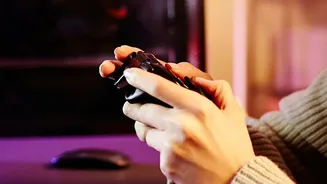
What are these gamers ordering? The data paints a clear picture of marathon gaming sessions. DoorDash saw a nationwide 20 percent jump in energy drink orders and a more than 10 percent increase for classic comfort foods like pizza, burgers, and fries. Uber Eats noted a massive 95 percent increase in orders for Red Bull Watermelon and a 54 percent rise for Totino's Pizza Rolls. This isn't just about convenience; it's about preparation for an immersive experience. Many players took paid time off from work to dedicate themselves to the game, and stocking up on snacks and drinks is part of the ritual. The goal is to remain in the world of Vice City for as long as possible without interruption, and food delivery services have become an essential part of that strategy.
A City's Full Embrace
The connection goes far beyond players simply ordering food. Miami itself has leaned into its role as the real-life Vice City. The city and local businesses launched extensive marketing campaigns, with the 'Welcome to Vice City' sign appearing on the Kaseya Center, home of the Miami Heat. Local restaurants created themed menus to capitalize on the hype. Popeyes launched a limited-time 'Spice City Sandwich', while Subway rebranded its Miami-exclusive Cubano as the 'Vice City Cubano'. A local burger joint, Skinny Louie, was even completely transformed into 'Burger Shot', a fictional fast-food chain from the GTA universe. This city-wide participation blurs the lines between the game and reality, creating an environment where ordering food that fits the game's theme feels like an extension of the gameplay itself.
Digital Worlds, Real Appetites
The psychology behind this trend is rooted in the concept of immersion. When players are deeply engaged in a game, the lines between the virtual environment and their physical surroundings can soften. Psychologists refer to this as 'spatial presence', where a user feels spatially located within the mediated world. Engaging in real-world activities that complement the game, like eating thematically similar food, can enhance this feeling of immersion. The game's setting in a fictionalized Miami makes this connection particularly strong for local players. For them, exploring Vice City has a special resonance, and participating in the real-world delivery boom is a way to connect their own city's culture to the global gaming phenomenon. It's a tangible link between their lived experience and the digital adventure on their screens.