





Get to Know the Dong
The official currency is the Vietnamese Dong (VND). You’ll be dealing with large denominations, with notes ranging from 1,000 to 500,000 VND. As of late 2026, the exchange rate is approximately 1 INR to 270-275 VND, meaning 1,000 INR gets you about 270,000
VND. This makes you a 'millionaire' in Dong, but it also requires careful counting. A common tourist mistake is confusing the blue 20,000 VND note with the similarly coloured 500,000 VND note. Always double-check the zeros before paying to avoid costly errors.
A Realistic Backpacker's Budget
Vietnam is famously budget-friendly for Indian travellers. A shoestring backpacker can get by on ₹1,200–₹2,000 ($15–$25) per day. A more comfortable backpacking experience, with private rooms in hostels, a mix of street food and restaurant meals, and a few activities, will land between ₹2,500–₹4,000 ($30–$50) daily. This budget covers a hostel bed (₹600–₹1,200), three delicious meals (₹800–₹1,500), local transport, and some sightseeing. Costs are slightly higher in major tourist hubs like Hanoi and Ho Chi Minh City compared to rural areas.
Cash Is King, But Cards Have Their Place
While larger hotels, upscale restaurants, and tour agencies in big cities accept credit and debit cards, Vietnam is predominantly a cash economy. You will need cash for street food vendors, local markets, small shops, and many taxis. Carrying a large amount of cash isn't necessary, but having 1-2 million VND (around ₹3,700–₹7,400) on hand for daily expenses is a good practice. Use your card for bigger payments like hotel bookings or pre-booked tours to reduce the amount of cash you need to carry, but be aware that some places may add a 3% transaction fee.
Exchanging Currency: Where and How
The best advice is to not exchange your rupees for Dong in India; you'll get a much better rate in Vietnam. Airport exchange counters are convenient upon arrival but offer poor rates. It's wise to only exchange a small amount there for immediate needs like a taxi or SIM card. For the best rates, head to gold and jewellery shops in the city centres of Hanoi or Ho Chi Minh City. They consistently offer better rates than banks. Banks are a safe alternative, but the process can be slower and requires your passport. Always bring crisp, new notes of your home currency, as old or torn bills are often rejected.
Using ATMs Safely and Smartly
ATMs are widely available in Vietnamese cities and towns, and most accept Visa and Mastercard. However, there are a few things to keep in mind. Local banks often have low withdrawal limits, typically between 2 million to 5 million VND per transaction (about ₹7,400 to ₹18,500). Most Vietnamese ATMs also charge a withdrawal fee, ranging from 20,000 to 100,000 VND per transaction, in addition to what your Indian bank might charge. To minimise fees, withdraw larger amounts in a single transaction. Inform your bank about your travel plans to avoid your card being blocked for suspicious activity. Some travellers report that banks like VPBank often have lower or no withdrawal fees for foreign cards.
Tips to Make Your Money Go Further
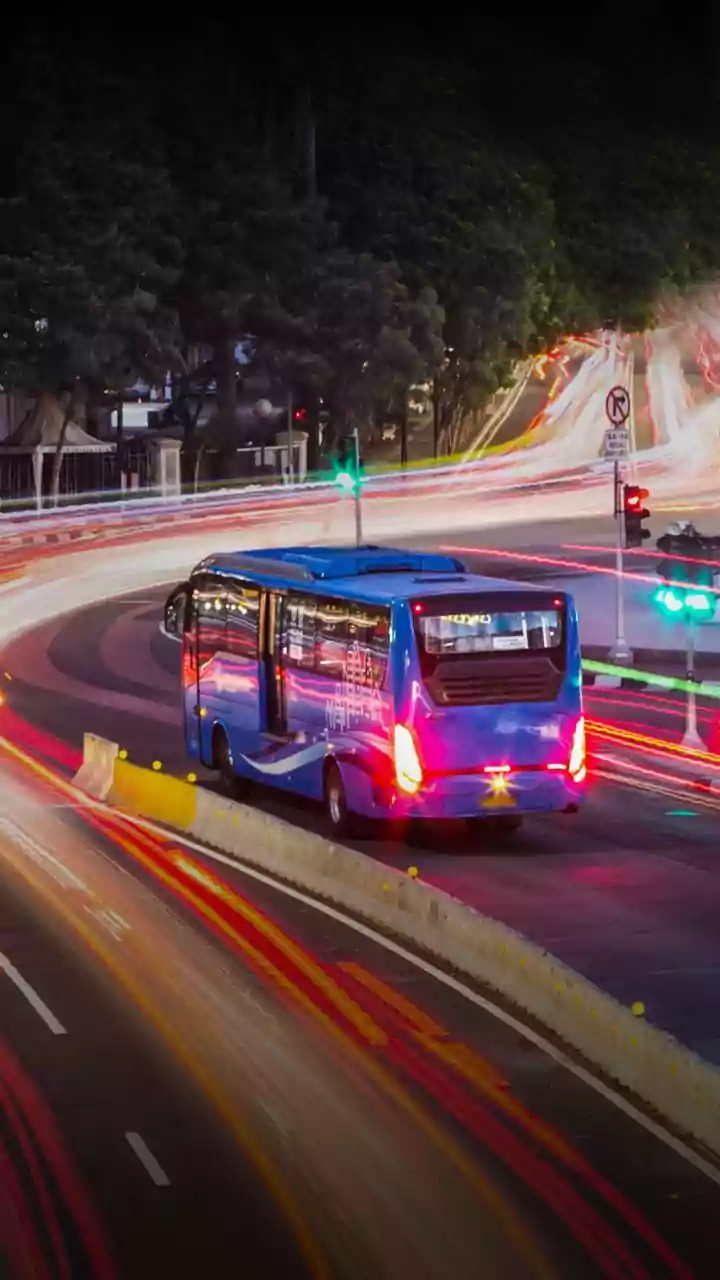
Stretching your budget in Vietnam is easy and fun. Embrace the incredible street food culture; a delicious bowl of Pho or a Banh Mi sandwich often costs less than ₹150. For transport within cities, use ride-hailing apps like Grab, which offer motorbike taxis (Grab Bike) that are significantly cheaper than regular taxis. When travelling between cities like Hanoi, Hue, and Ho Chi Minh City, overnight sleeper buses or trains are a great way to save on a night's accommodation. Finally, don't be afraid to bargain respectfully at local markets, but remember to keep it light-hearted.