



Beyond Static Itineraries
For generations, travel planning relied on static information. Guidebooks, magazine articles, and even early travel websites offered advice that was, by nature, already dated. They could tell you a monument's opening hours, but not the length of the queue
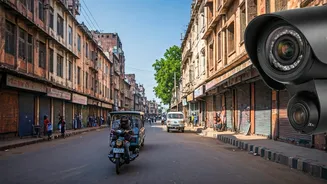
right now. They could suggest a scenic route, but not the sudden traffic jam caused by a landslide. This approach left travellers armed with a plan, but vulnerable to the unpredictable reality of the day. The modern travel experience, especially in a country as dynamic as India, is fluid. Festivals can cause unexpected street closures, a sudden downpour can make a popular market inaccessible, and a viral social media post can turn a quiet spot into a crowded hotspot overnight. Static plans simply can’t keep up.
What Is Crowd-Smart Travel?
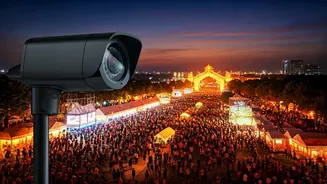
Enter crowd-smart travel. The concept is simple but powerful: it leverages real-time, collective data from a network of people to provide a live snapshot of a location. Think of it like Waze for foot traffic. Instead of just knowing the best route, you know the best route right now. This technology harnesses anonymous data from mobile devices and sensors to understand crowd density, wait times, and traffic flow. By aggregating this information, travel apps can tell you if a temple is experiencing heavy footfall, how long the wait is at a popular restaurant, or if the metro is packed. This isn't about historical data or weekly predictions; it's about what's happening at this very moment, empowering you to make smarter, more spontaneous decisions.
The Power of the Present Tense
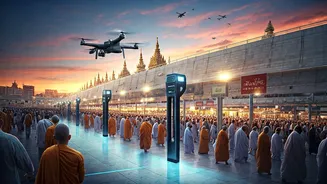
The magic ingredient that makes crowd-smart systems truly effective is the “real-time” component. An update from an hour ago is often as useless as one from last year. Real-time passenger information (RTPI) transforms travel from a passive experience into an interactive one. Knowing that a flight is delayed before you leave for the airport, or that a connecting train is running late, allows you to adjust your plans without stress. In India, where events like the Kumbh Mela or Chhath Puja can involve millions of people, authorities are already using real-time heat mapping and AI to manage crowds and ensure safety. For the everyday traveller, this same principle applies. Live updates on road closures during monsoon season, crowd levels during a major festival, or simply the current rush at a shopping hub can mean the difference between a frustrating trip and a seamless one.
From Theory to Your Smartphone
This technology is already in your pocket. Google Maps provides live traffic data and shows how busy a place is compared to its peak times. Ride-sharing apps like Uber and Ola adjust pricing based on real-time demand. Apps like RedBus offer live bus tracking, while IRCTC’s official app gives real-time updates on train schedules and PNR status. Globally, apps are emerging that are dedicated to this purpose, helping tourists avoid queues and find less crowded alternatives. By using these tools, travellers can dynamically alter their itineraries. If the main palace is too crowded in the morning, a crowd-smart app might suggest visiting a nearby, lesser-known garden first and returning to the palace in the late afternoon when the crowds have thinned.
The Future of Intelligent Travel
The next evolution in crowd-smart travel is predictive analytics. AI-powered platforms are beginning to not only show current conditions but also forecast future ones with greater accuracy. By analysing historical data, weather patterns, and public holidays, these systems will soon be able to advise you on the best day and time to book your visit to avoid crowds, much like fare-predicting apps do for flights. For India, this holds immense potential for sustainable tourism, helping to manage footfall at ecologically sensitive areas and heritage sites. As AI and IoT (Internet of Things) technologies become more integrated into our cities, travel will become a more personalised and efficient experience, with apps acting as intelligent assistants that proactively guide us away from congestion and towards better experiences.