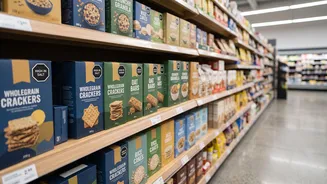








First, Ignore the Front and Flip the Pack
The most important rule of reading a food label is simple: the front of the pack is for marketing, while the back is for regulation. Words like “wholesome,” “multigrain,” or “natural” are designed to sell you an idea of health, but they are not tightly
regulated. The real information lies in the ingredients list, which is mandated by the Food Safety and Standards Authority of India (FSSAI). Ingredients are always listed in descending order of weight. This means the first two or three ingredients make up the bulk of the product. If sugar, maida (refined wheat flour), or palm oil are at the top of the list for a product marketed as healthy, you should be skeptical. This one habit—checking the first three ingredients—is the single most powerful tool for a beginner.
Second, Decode the Nutrition Facts Panel
The nutrition panel can look like a complicated chart, but you only need to focus on a few key items. First, check the serving size. Manufacturers often list nutritional values for an unrealistically small serving. A packet of chips might show values for a 30g serving, but if the packet is 100g and you eat the whole thing, you need to multiply all the values by more than three. After serving size, look at three key numbers per 100g to easily compare products: Total Sugars, Sodium, and Fat. As a general rule, a product with more than 15g of sugar per 100g is high in sugar. For sodium, anything over 600mg per 100g is considered high. Also, watch for trans fat; the healthiest option always has 0g of trans fat.
Third, Question the Health Claims
Many packages are covered in appealing claims that can be misleading. A “no added sugar” label doesn't mean the product is sugar-free; it can still be high in natural sugars or contain sugar alcohols and artificial sweeteners. Similarly, a product labeled “baked, not fried” might still be high in fat and calories. The term “cholesterol-free” on a packet of vegetable oil is a common marketing trick, as all plant-based oils are naturally free of cholesterol. FSSAI has been increasing its scrutiny on such misleading claims, reminding consumers to trust the nutrition panel over the marketing buzzwords. Always verify a claim by checking the ingredient list and nutrition table.
Fourth, Spot the Mandatory Symbols
In India, a few simple symbols provide instant, reliable information. The most recognized are the vegetarian and non-vegetarian marks. A green dot inside a green square means the product is vegetarian. A brown triangle inside a brown square signifies it is non-vegetarian. These symbols are mandatory and are a quick way for shoppers to align purchases with their dietary practices. Another crucial mark to look for is the FSSAI logo and its 14-digit license number. Its presence confirms that the food business operator is registered with the food safety authority, offering a layer of accountability.