





Defining 'Ultra-Processed'
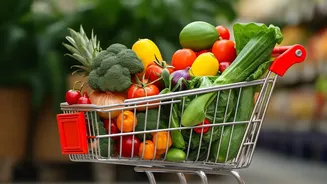
Not all processed foods are created equal. The NOVA classification system, a tool used by health researchers, divides food into four groups based on their level of processing. Unprocessed or minimally processed foods are things like fresh fruits, vegetables,
and plain oats. Processed culinary ingredients include items like oils, salt, and sugar. Processed foods are made by adding these ingredients to whole foods, like in canned vegetables or simple breads. Ultra-processed foods (UPFs), however, are in a category of their own. These are industrial formulations made from substances extracted from foods, often with many added ingredients you wouldn't find in a home kitchen. Think of them less as modified whole foods and more as products created in a lab to be convenient, have a long shelf life, and be intensely palatable.
Why Are They a Health Concern?
The convenience of UPFs comes at a cost. Extensive research has linked high consumption of these foods to a greater risk of several health problems, including obesity, type 2 diabetes, heart disease, and even some types of cancer. These products are typically high in added sugar, unhealthy fats, and sodium, while being low in essential nutrients like fibre, vitamins, and minerals. Their formulation is often designed to be “hyper-palatable,” which can encourage overeating by bypassing the body’s natural fullness signals. Furthermore, the cocktail of additives like emulsifiers, thickeners, and artificial flavours can negatively impact gut health and contribute to chronic inflammation.
Common Culprits in Indian Kitchens
UPFs have become increasingly common in Indian households, often marketed as convenient solutions for a fast-paced lifestyle. Some of the most prevalent examples include instant noodles, packaged chips, biscuits, and cookies. Other common UPFs are sugary breakfast cereals, soft drinks, ready-to-eat meals, and frozen snacks like nuggets or samosas. Even some products that might seem traditional, like certain ready-to-cook mixes for idli or dhokla, can qualify as ultra-processed due to the additives and level of industrial processing they undergo.
How to Spot a UPF in the Store
Learning to identify UPFs is the first step towards reducing them in your diet. The best tool you have is the ingredient list on the back of the package. A key indicator is a long list of ingredients, especially ones you don't recognize or can't pronounce. Look for substances you wouldn't use in home cooking, such as high-fructose corn syrup, hydrogenated oils, hydrolysed proteins, and modified starches. The presence of additives like artificial colours, flavours, flavour enhancers, emulsifiers (like soy lecithin), and artificial sweeteners is another major red flag. A simple rule of thumb is the “kitchen cupboard test”: if the ingredient list contains items you wouldn't keep in your own pantry, the product is likely ultra-processed.
Making Smarter, Healthier Swaps
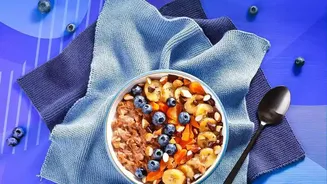
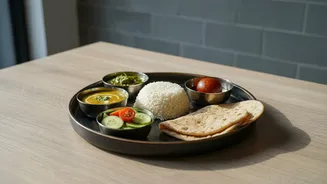
Reducing your intake of UPFs doesn't have to be an overwhelming, all-or-nothing approach. The goal is progress, not perfection. Start with simple, manageable swaps. Instead of a sugary breakfast cereal, opt for plain oats or daliya and add your own fresh fruit and nuts. Swap packaged fruit juices and soft drinks for water, coconut water, or whole fruit. For snacks, reach for roasted chickpeas, a handful of nuts, or plain yogurt instead of a bag of chips. Cooking more meals at home is one of the most effective ways to control what you eat. Even preparing simple dishes like dal, khichdi, or vegetable stir-fries from scratch can significantly cut down on your consumption of industrial additives and excess salt and sugar.