




Visas and Flights: The First Steps
Getting to Oman from India is straightforward. Several airlines offer direct flights from major cities like Mumbai, Delhi, and Kochi to Muscat, with round-trip fares sometimes dropping as low as ₹10,000–₹15,000 if booked a couple of months in advance.
For visas, the process is largely online via the Royal Oman Police eVisa system. A 10-day single-entry tourist visa costs approximately 5 Omani Rials (around ₹1,100), making it a very accessible option for a short trip. Be sure to have your passport, a digital photograph, flight bookings, and hotel reservations ready when you apply. The process is typically quick, often taking only a few business days for approval.
Getting Around: Renting a Car is Key
While Muscat has public buses and affordable taxis like Otaxi, Oman's true treasures—the wadis and mountains—are best explored with your own vehicle. Renting a car offers unparalleled freedom and is surprisingly cost-effective, especially for a group. A small sedan can be rented for as little as ₹2,500–₹3,000 per day. Most major roads are paved and well-maintained, so a 4WD is not necessary for visiting popular spots like Wadi Bani Khalid or the parking area for Wadi Shab. Driving yourself allows you to travel at your own pace and make spontaneous stops, which is essential for a country with so much natural beauty.
Accommodation: Budget Stays and Camping
Muscat has a range of accommodation, but for budget travellers, guesthouses and budget hotels outside the main tourist hubs offer the best value, with prices around ₹2,000–₹4,000 per night. An even more adventurous and cost-saving option is camping. Wild camping is legal and widely practiced in Oman, allowing you to pitch a tent on many public beaches, in the mountains, or near wadis for free. This not only cuts accommodation costs to zero but also provides an unforgettable experience under the stars.
Hiking the Wadis: Wadi Shab & Wadi Bani Khalid
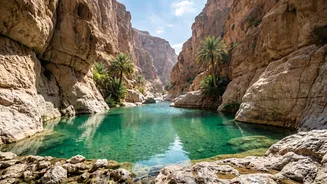
Oman's wadis are its crown jewels, and many are free or very cheap to enter. Wadi Shab, about a two-hour drive from Muscat, is a must-do. It involves a short boat ride across a river for 1 OMR (about ₹220) and a 45-minute hike through a stunning canyon. The trail leads to a series of emerald pools, culminating in a swim through a narrow opening into a cave with a waterfall. Wadi Bani Khalid is even more accessible, with its main pools just a short walk from the car park, requiring no strenuous hike. It's perfect for a relaxed day of swimming. For both, wear sturdy shoes, bring plenty of water, and respect local customs by dressing modestly when not swimming.
Exploring Muscat: Free and Low-Cost Landmarks
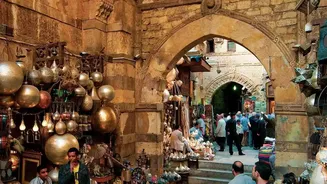
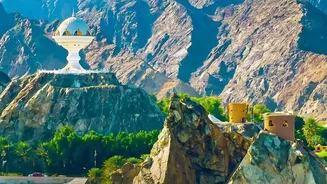
Muscat is a city of elegant architecture and rich history that can be explored on a tight budget. The magnificent Sultan Qaboos Grand Mosque is free to enter for non-Muslims from Saturday to Thursday mornings. Its intricate designs, massive Swarovski crystal chandelier, and hand-woven Persian carpet are breathtaking. Another highlight is the Muttrah area, where you can wander along the Corniche, watch dhows in the harbour, and get lost in the bustling alleys of the Muttrah Souq for free (unless you're tempted to shop). For a glimpse of royal grandeur, you can view the exterior of the colourful Al Alam Palace, the Sultan's ceremonial residence.
Eating on a Budget: Delicious and Affordable Food
You don't need to spend a lot to eat well in Oman. The country has a large South Asian expatriate community, which means delicious and affordable Indian, Pakistani, and Bangladeshi food is widely available. Look for small local eateries and coffee shops where you can get a hearty meal of biryani or a shawarma for just a couple of rials. Supermarkets are also a great option for stocking up on snacks, fruits, and water for your road trips. A daily food budget of ₹1,000–₹1,500 is very realistic if you eat at local spots.