




As temperatures drop, the battle for soft, hydrated skin begins. The combination of cold outdoor air and dry indoor heating can leave your complexion feeling tight and flaky. But the secret to a comfortable, glowing winter isn't just a thicker cream.
The Winter Skin Challenge
Winter weather poses a unique challenge for our skin. Cold air holds less moisture, and when combined with brisk winds, it actively pulls hydration from the skin's surface. Indoors, central heating creates an equally arid environment, accelerating what's known as transepidermal water loss (TEWL). This process weakens your skin's natural protective barrier, which is responsible for locking in moisture and keeping irritants out. When this barrier is compromised, it leads to the tell-tale signs of winter skin: dryness, tightness, flakiness, and increased sensitivity.
Why Layering Is the Solution
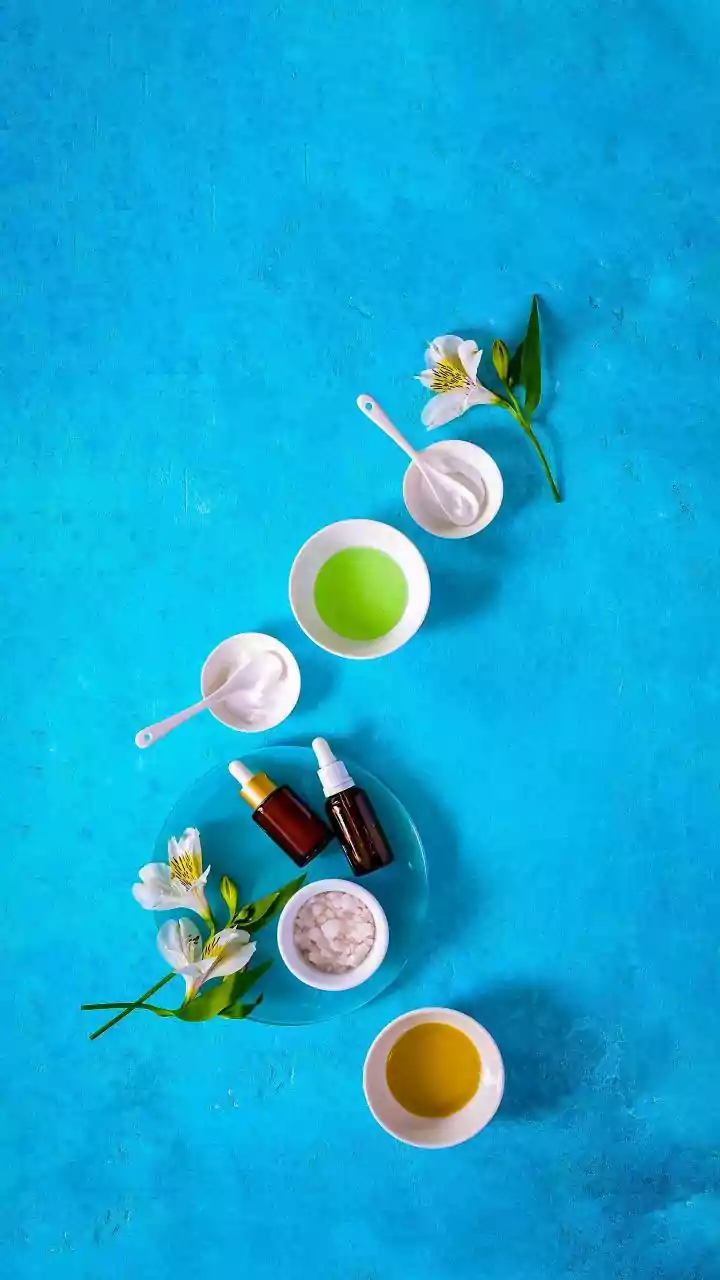
Instead of relying on a single heavy product, the most effective strategy is layering. The logic is simple: apply products from the thinnest, most water-based texture to the thickest and most oily. This allows each product to perform its specific job without being blocked by a heavier formula. This 'Draw, Fill, Seal' method involves using different types of ingredients that work together. Humectants draw moisture in, emollients smooth the skin's surface, and occlusives create a seal to prevent that moisture from escaping. A good routine ensures you get the benefits of all three.
Step 1: The Hydrating Toner
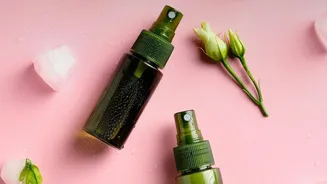
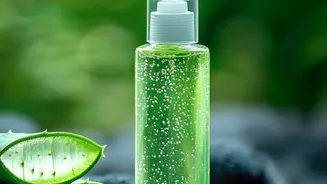
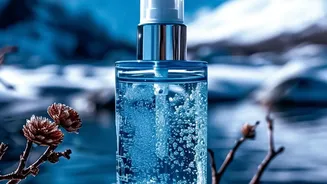
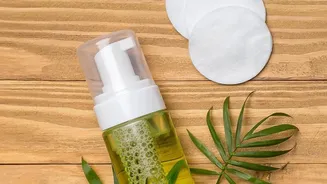
Forget the stripping, alcohol-based toners of the past. Modern hydrating toners are designed to give your skin its first drink of water after cleansing. These lightweight liquids are packed with humectants—ingredients that attract and bind water to the skin. Applying a toner to clean, slightly damp skin helps to restore its pH balance and provides an initial wave of hydration. This step primes your face, making it more receptive to the products that follow, ensuring your serums and creams can penetrate more effectively. Look for formulas with superstar humectants like hyaluronic acid and glycerin, and make sure they are alcohol-free.
Step 2: The Protective Cream
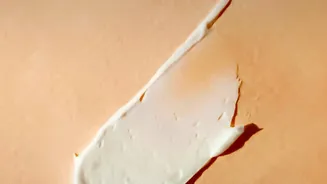
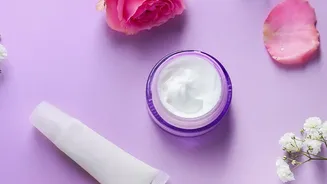
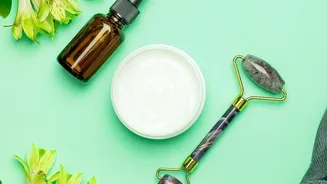
This is your sealing step. After your toner has had a moment to absorb, you apply a richer cream to lock in all that hydration. Your winter moisturizer should do more than just feel nice; it should act as a protective shield against the harsh elements. Look for creams rich in emollients and occlusives. Emollients, like squalane and fatty acids, work by filling in the gaps between skin cells to create a smoother surface. Occlusives, such as shea butter, petrolatum, and dimethicone, form a physical barrier on the skin that significantly slows down water loss. Ingredients like ceramides are particularly brilliant for winter, as they are lipids that help fortify and repair the skin's natural barrier.
Mastering the Technique
How you apply your products is almost as important as what you’re applying. Always start with a gentle, hydrating cleanser that doesn’t strip your skin of its natural oils. While your skin is still slightly damp—a key step for maximizing absorption—press in your hydrating toner. Give it about a minute to sink in before moving to the next step. If you use a serum, it would go here. Finally, apply your moisturizer to seal everything in. And don’t forget your neck and chest, which are just as susceptible to winter dryness. A few mindful moments can make a world of difference in preventing discomfort all season long.