





The Quiet Revolution in the Chutney Jar
For generations, the chutney has been the unsung hero of the Indian meal. Derived from the Hindi word 'chatni', meaning 'to lick', this versatile condiment has the power to elevate any dish, from a simple plate of rice and dal to a festive spread. Traditionally
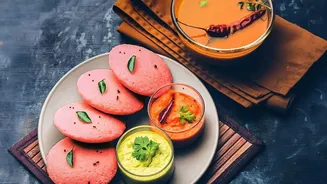
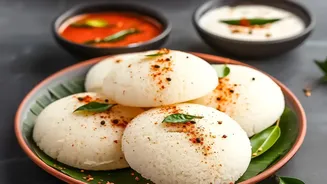
made from a vibrant palette of herbs, vegetables, fruits, and spices, chutneys provide a burst of tangy, sweet, spicy, or sour notes. We all know the classics: the fresh green coriander-mint chutney served with samosas, the sweet and sour tamarind chutney that defines chaat, and the ubiquitous coconut chutney served with dosa and idli. But in kitchens across India, a quiet and delicious revolution is taking place. Home cooks, the traditional custodians of these recipes, are pushing the boundaries of what a chutney can be, looking to an often- overlooked section of their pantry: the jars of pulses (dals) and seeds.
From Tadka to Table Centrepiece
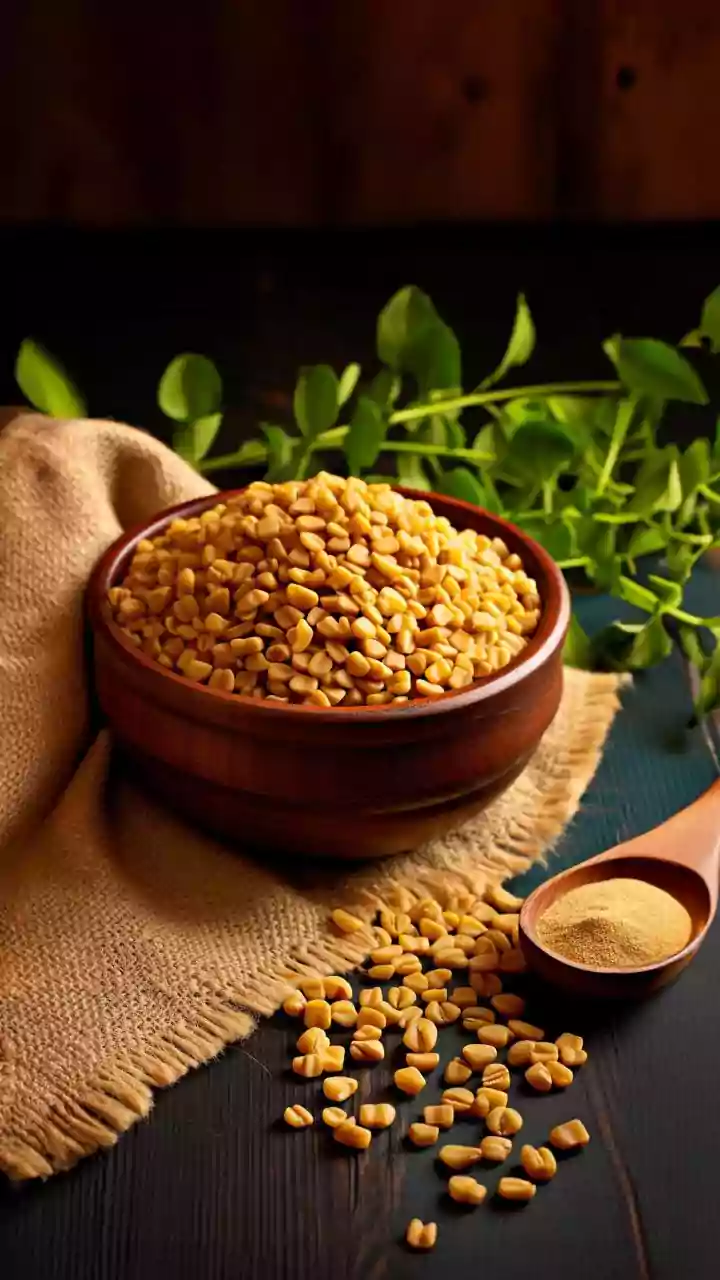
While lentils like urad and chana dal have long been used in the tempering (tadka) for South Indian chutneys, they are now stepping into the spotlight as the main ingredient. Recipes for high-protein chutneys made from a blend of four different dals—moong, arhar, urad, and chana—are gaining popularity, offering a thick, flavourful, and nutrient-dense accompaniment. Similarly, besan (gram flour) forms the base of the popular Bombay Chutney, a savoury side dish that blurs the line between a chutney and a curry. This shift showcases a creative leap, turning ingredients once used for texture or a finishing flourish into the heart of the dish itself. These dal-based chutneys offer a rustic, earthy flavour and a satisfying texture that is both novel and deeply rooted in the Indian flavour profile.
The Rise of the Super Seed
Even more dramatic is the enthusiastic adoption of seeds. Flax, pumpkin, sesame, and sunflower seeds are now being roasted and ground into intensely flavourful chutney powders and pastes. Flaxseed chutney, known as 'Jawas chutney' in Maharashtra or 'Alsi ki chutney', has become a staple in many health-conscious households. It has a nutty, slightly earthy flavour and is packed with nutrients. Likewise, pumpkin seeds are being transformed into delicious chutneys and dry powders (podi), celebrated for their deep, slightly sweet nuttiness when roasted, which pairs beautifully with the heat of red chillies and the tang of tamarind. These seed-based condiments are not just a culinary experiment; they are a response to a growing desire to incorporate more healthy fats, protein, and minerals like zinc and magnesium into the daily diet.
Driven by Health, Heritage, and a Hunger for a New Taste
So, what is driving this trend? A major factor is the collective turn towards wellness. Pulses and seeds are nutritional powerhouses, rich in protein, fibre, antioxidants, and essential minerals. By incorporating them into chutneys, home cooks are cleverly boosting the nutritional value of every meal without compromising on taste. The pandemic also played a role, renewing focus on immunity and the benefits of traditional Indian ingredients. But it's not just about health. It is also about innovation. The beauty of chutney-making lies in its flexibility; there are no rigid rules. This allows home cooks to experiment freely, creating new family favourites that are both delicious and nourishing. The result is a condiment that moves beyond being a simple dip to becoming a functional food that contributes to overall wellbeing.
A Condiment for the Modern Kitchen
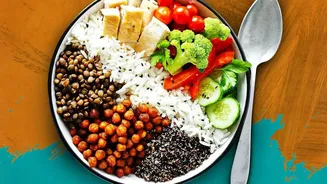
This new wave of chutneys is also proving to be incredibly versatile. A nutty pumpkin seed chutney isn't just for dosas; it can be used as a sandwich spread, a crust for grilled paneer, or spooned over a grain bowl for added flavour and texture. A dry flaxseed chutney powder can be mixed with ghee or oil and served with roti or rice, sprinkled over salads, or even added to plain yoghurt to make a zesty dip. This adaptability makes them perfectly suited to the modern Indian kitchen, where convenience and multi-purpose ingredients are highly valued. They are easy to make in batches and can be stored for weeks, providing an instant flavour booster for any meal.