




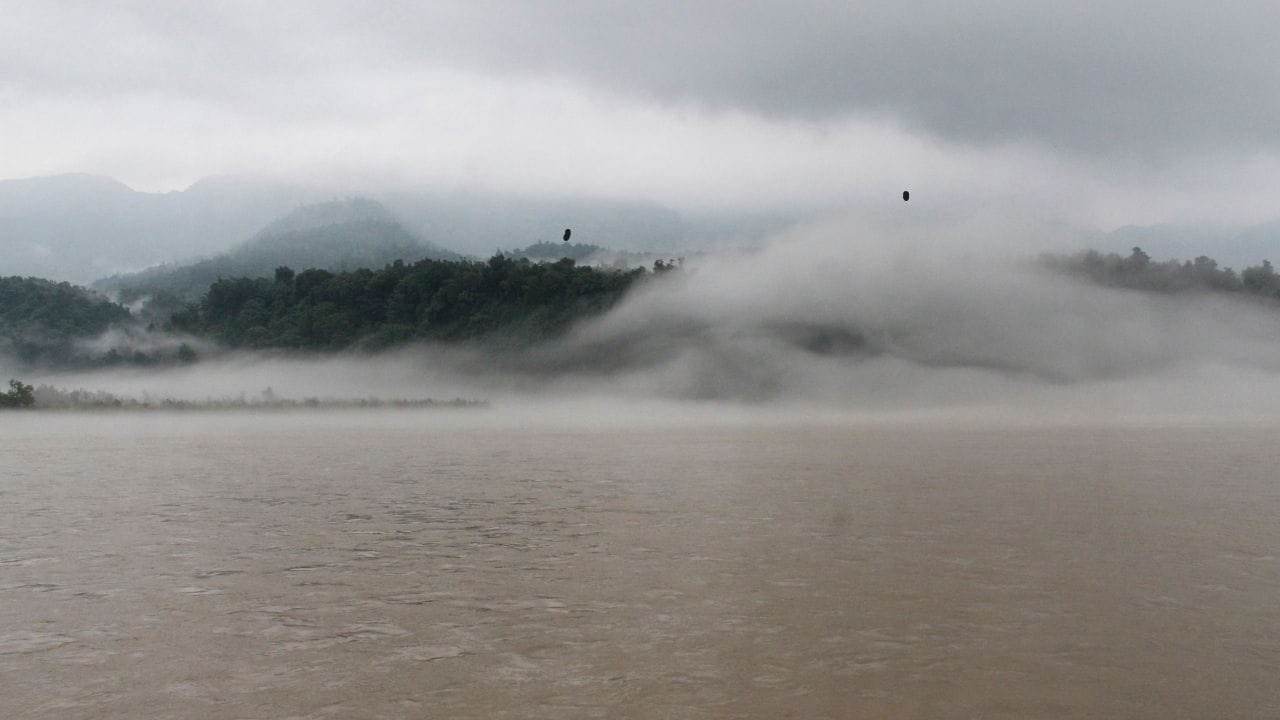

The Allure and Ambush of Late Monsoon
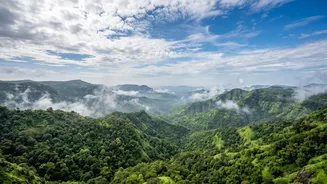
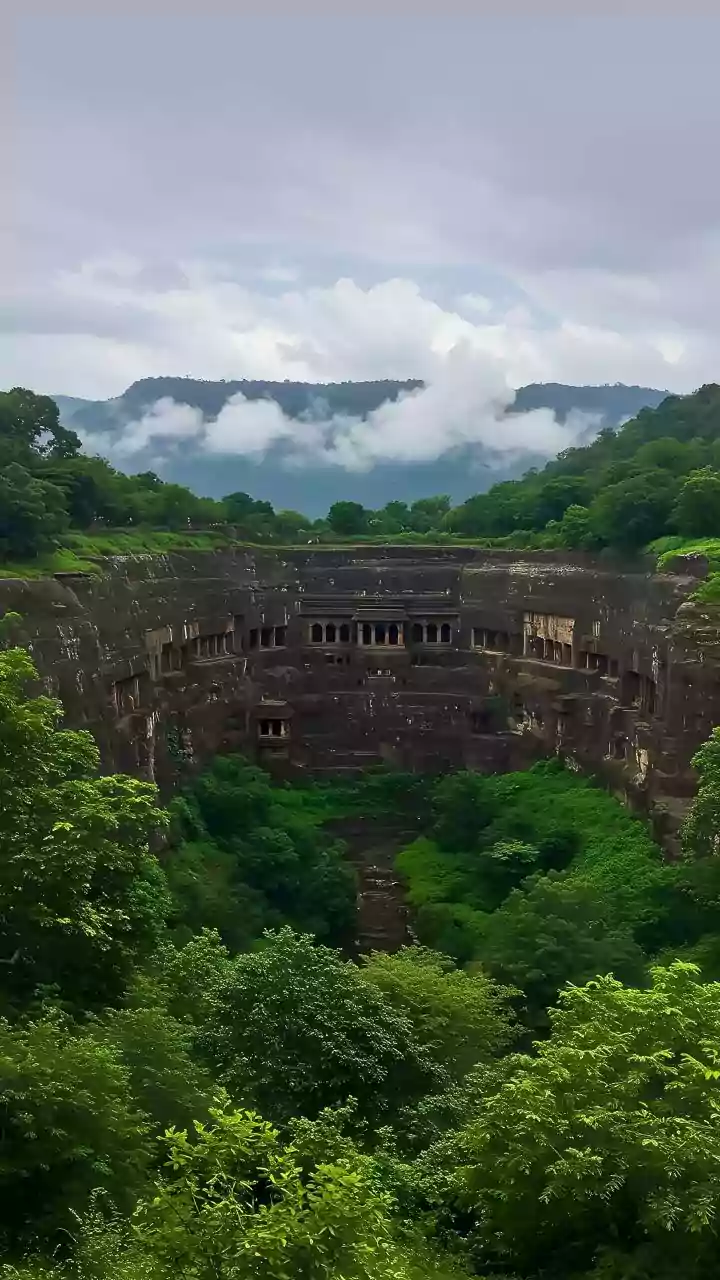
The late monsoon period, typically spanning August and September, is when the rains begin to retreat, leaving behind breathtakingly green landscapes, full-flowing waterfalls, and a refreshing, clean atmosphere. It’s an off-season period that tempts travellers
with fewer crowds and better deals on flights and hotels. However, this season is famously unpredictable. A bright, sunny morning can give way to a sudden, torrential downpour in the afternoon, triggering a cascade of travel problems. Recent reports from this week alone show heavy rainfall alerts in states like Uttarakhand and Bihar, leading to immediate travel advisories. This volatility is precisely why a rigid itinerary is a traveller's worst enemy.
When Your Itinerary Meets Reality
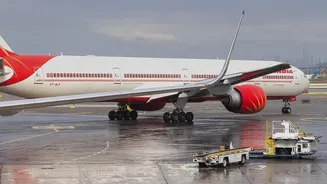
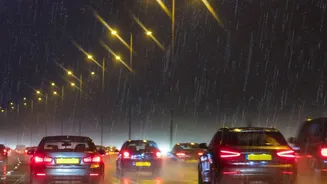
The primary challenge of monsoon travel is disruption. Heavy rains frequently lead to waterlogged runways at major airports like Mumbai and Delhi, causing significant flight delays and diversions. Just this past week, several flights were rerouted from Delhi due to adverse weather. Train services are not immune either; waterlogged tracks force trains to run at slower speeds or get rerouted, and landslides can close entire sections of track in hilly regions. Road travel, especially in the Himalayas, carries the risk of landslides that can block highways for hours or even days, leaving travellers stranded. Even in cities, waterlogging can cause gridlock, making a simple trip to the airport an hours-long ordeal. These aren't just minor inconveniences; they can cause you to miss flights, forfeit non-refundable hotel bookings, and lose money on pre-paid tours.
The Financial Case for Flexibility
Trying to save a few hundred rupees by booking a non-refundable flight or hotel can be a classic case of false economy during the monsoon. When a sudden storm forces you to change your plans, that 'saver' ticket becomes a sunk cost. In contrast, paying a small premium for a 'flexi' fare on an airline or a 'free cancellation' option on a hotel booking acts as a form of insurance. These options grant you the power to adapt. If a severe weather warning is issued for your destination, you can proactively change your flight to a day earlier or postpone your hotel stay without penalty. This control transforms a potentially stressful and expensive situation into a manageable one. Think of the extra cost not as an expense, but as an investment in peace of mind.
How to Build a Monsoon-Proof Plan
Building a flexible itinerary is a strategic process. First, always check the weather forecast from a reliable source like the India Meteorological Department (IMD) before and during your trip. When booking flights, choose morning departures, as they are less susceptible to the cascading delays caused by afternoon thunderstorms. For connections, build in a generous buffer of at least three to four hours. Opt for hotels that offer free cancellation up to 24 or 48 hours before check-in. This allows you to pivot if your travel is delayed or if you decide to change your route. Finally, pack smart: quick-dry clothing, waterproof bags for electronics, and a reliable power bank are non-negotiable essentials.
Turning Disruption into Discovery
The true benefit of a flexible mindset isn't just about avoiding disaster; it's about embracing opportunity. A cancelled train to a popular hill station doesn't have to mean a ruined holiday. It can be a chance to explore a lesser-known town nearby or spend an extra day discovering the local culture where you are. Some of the best travel memories are born from spontaneous decisions. When you aren't locked into a rigid, prepaid schedule, you have the freedom to say yes to an unexpected detour. A washed-out road could lead you to a charming homestay you'd never have found, or a delayed flight could give you an evening to explore a city you were only meant to pass through. Flexibility allows your journey to breathe, turning potential chaos into authentic adventure.