


Diwali brings joyous evenings filled with lights and family gatherings. But the festive air often carries an invisible threat: a sharp rise in pollution that poses a significant health risk, especially for the cherished elderly members of our families.
The Festive Air's Hidden Dangers
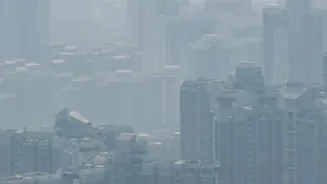
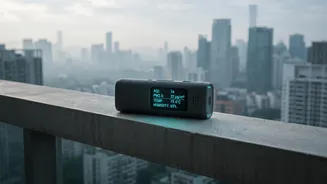
During Diwali, the combination of firecracker smoke, increased traffic, and specific weather patterns creates a perfect storm for poor air quality. Firecrackers release a cocktail of harmful pollutants, including sulphur dioxide, carbon monoxide, and fine particulate matter known as PM2.5. These particles are so tiny they can bypass the body's natural defences, penetrating deep into the lungs and even entering the bloodstream. This isn't a minor issue; cities across India regularly see their Air Quality Index (AQI) jump to 'Poor', 'Very Poor', or even 'Severe' levels during the festival, with pollutants lingering for days.
Why Seniors Are More Vulnerable
While this pollution affects everyone, older adults face a much greater risk. As people age, their lung capacity naturally diminishes and their immune systems may not be as robust. Many seniors also manage pre-existing conditions like asthma, bronchitis, Chronic Obstructive Pulmonary Disease (COPD), or heart disease. Exposure to high levels of PM2.5 can trigger severe asthma attacks, worsen chronic coughs, and cause chest discomfort or breathlessness. The stress on the respiratory system can also have a knock-on effect on cardiovascular health, increasing the risk of serious cardiac events.
Your Guide to the Air Quality Index (AQI)
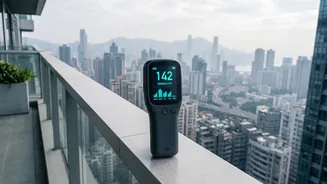
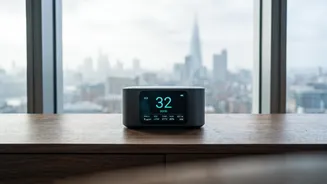
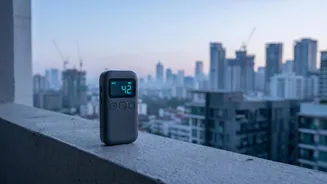
The Air Quality Index is a simple tool designed to communicate complex air quality data clearly. Launched by India's Central Pollution Control Board (CPCB), it converts pollutant levels into a single number, a colour, and a clear description. You can check the real-time AQI for your city on government websites like SAFAR or through various weather apps. The categories are easy to understand: 'Good' (0-50) is safe, 'Satisfactory' (51-100) carries minimal risk, while 'Moderate' (101-200) means sensitive groups, including the elderly, should reduce exertion. Once the AQI crosses 200 into 'Poor', 'Very Poor', or 'Severe', the air is considered unhealthy for everyone, and protective measures become essential.
Practical Steps for a Safer Diwali
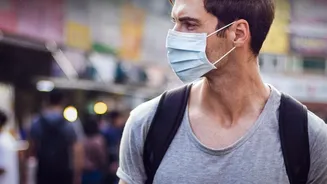
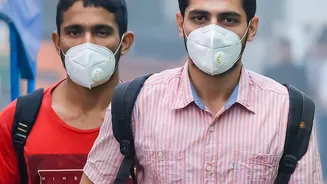
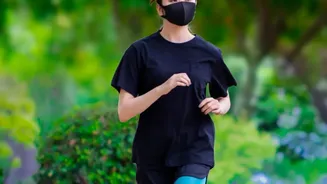
Protecting your elderly family members doesn't mean forgoing celebrations. It means celebrating with awareness. First, make a habit of checking the AQI before planning any evening activities. If the level is 'Poor' or worse, the safest option is for seniors to remain indoors with windows and doors closed. If they must go out, a well-fitted N95 mask is crucial. Consider investing in an air purifier for the room where your parent or grandparent spends the most time. Timing is also important; pollution levels are often highest late at night and in the early morning, so try to schedule any necessary outdoor time for the afternoon when air quality might be better. Finally, ensure they stay hydrated and have all their regular medications, especially inhalers, readily available.