



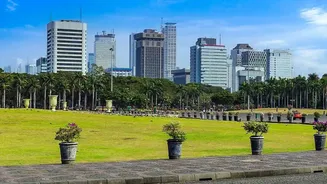
The City’s Green Lungs
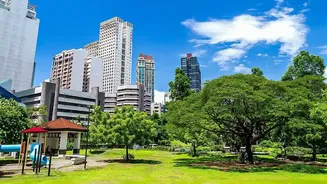
Historically, parks were called the 'lungs of the city' for a good reason. In densely packed urban environments, they play a critical role in improving air quality. Trees and vegetation act as natural filters, absorbing pollutants and releasing clean
oxygen. This process helps to mitigate the urban heat island effect, where buildings and roads absorb and re-emit the sun's heat, making cities significantly warmer than surrounding rural areas. A well-maintained park with a healthy tree canopy can cool the air within its boundaries and for several hundred metres around it. This natural air conditioning not only makes the city more comfortable but also reduces energy consumption and provides a tangible buffer against the impacts of climate change.
Your Open-Air Gymnasium
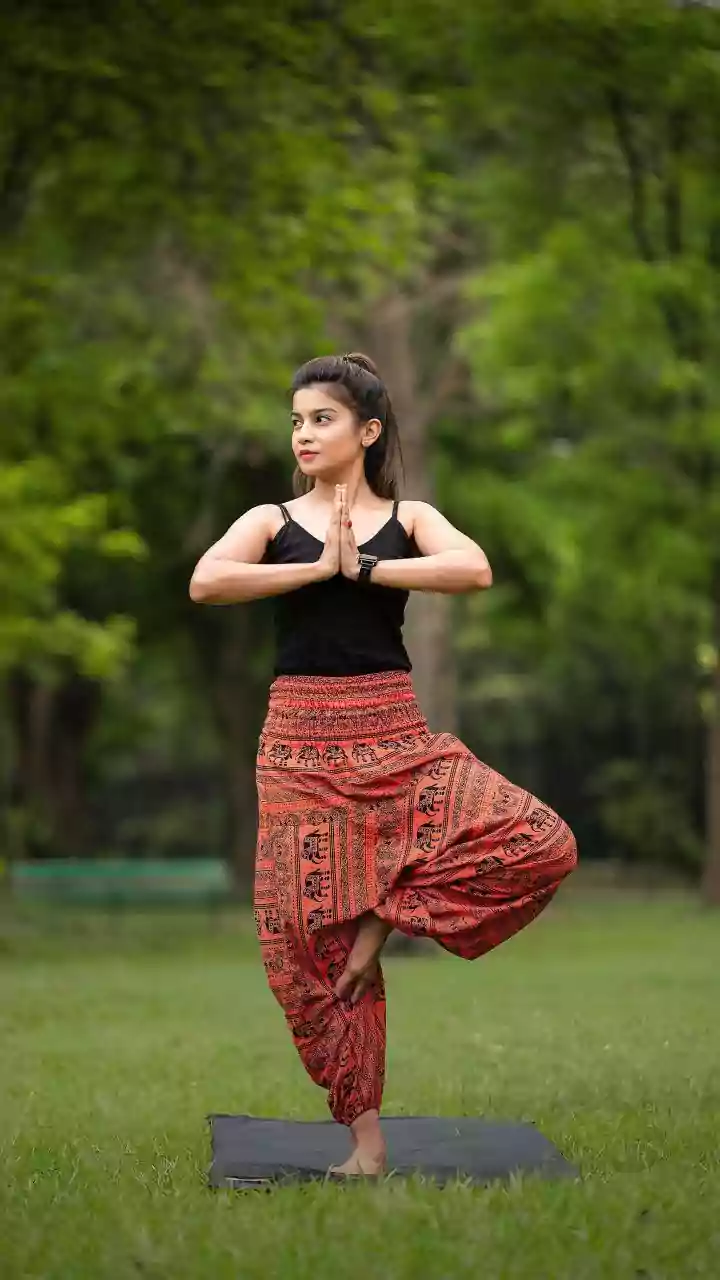
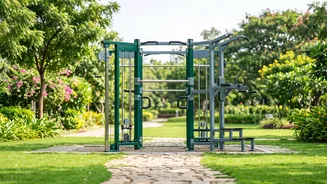
For many city dwellers, a local park is the most accessible and affordable gymnasium they can find. It offers a democratic space for a wide range of physical activities that cater to all ages and fitness levels. The simple act of a brisk walk or a morning jog along a park's pathways provides significant cardiovascular benefits. In recent years, many Indian parks have seen the installation of outdoor gym equipment, which has become immensely popular for building functional strength. Beyond structured exercise, parks provide open space for everything from community yoga sessions and laughter clubs to a casual game of cricket or badminton. This free and open access to recreational space is crucial for combating sedentary lifestyles and promoting overall public health.
The Community’s Living Room
Perhaps one of the most underrated functions of a public park is its role in fostering social cohesion. Parks are neutral grounds where people from all walks of life can interact, strengthening the fabric of a community. They are places where senior citizens gather for morning chats, where children make new friends on the playground, and where families can spend quality time together without any cost. These informal encounters and planned gatherings help reduce social isolation and cultivate a sense of belonging. From local festivals to weekend picnics, parks serve as a city's shared living room, a space for creating collective memories and reinforcing the bonds that make a neighbourhood feel like a community.
A Sanctuary for the Mind
The benefits of parks extend deep into our mental and psychological well-being. Research consistently shows that spending time in nature is a powerful tool for stress reduction. Exposure to green spaces can lower levels of cortisol, the body's primary stress hormone, and reduce feelings of anxiety and depression. A walk in a park can help break the cycle of negative, repetitive thoughts, a state known as rumination, which is a known precursor to depression. For children, unstructured play in a natural environment is crucial for cognitive development, fostering creativity, problem-solving skills, and emotional resilience. In a world of digital saturation, the simple, sensory experience of being in a park offers a necessary psychological reprieve.