







Start with a Region, Not a Wishlist
India is vast, and trying to see everything in one trip is a common mistake that leads to exhaustion. A far better approach is to choose one region and explore it well. First-time visitors often find the classic 'Golden Triangle'—Delhi, Agra, and Jaipur—to
be a perfect introduction, offering a dense concentration of historical marvels. For a different flavour, you could focus on the tranquil backwaters and spice plantations of Kerala in the south, the Himalayan foothills for trekking and spirituality, or the desert forts of Rajasthan. By limiting your geographic scope, you'll spend less time in transit and more time immersing yourself in the culture. A good rule of thumb is to plan for one base for every two or three nights.
Connect the Dots Logically
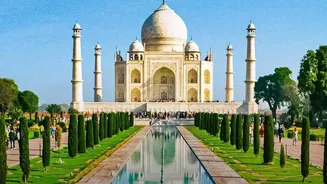
Once you have chosen a region, look at a map and plan a route that flows logically. Moving between cities costs at least half a day, sometimes more. For a Golden Triangle itinerary, the route is straightforward: begin in the capital, Delhi, then take a train to Agra to see the Taj Mahal, and another to Jaipur, the 'Pink City', before returning to Delhi. This well-trodden path is popular for a reason: the transport links are excellent and efficient. For longer trips of two weeks or more, you could combine the Golden Triangle with a flight south to Kerala or a deeper dive into Rajasthan by adding cities like Udaipur and Jodhpur. The goal is to create a chain of destinations that minimizes backtracking and travel fatigue.
Mastering the Lifeline: Indian Railways
Train travel is the backbone of any Indian adventure. The network is one of the largest in the world, connecting almost every town and city. For tourists, booking tickets can be a challenge but is well worth the effort. The official booking platform is IRCTC (Indian Railway Catering and Tourism Corporation). It's crucial to book popular routes weeks or even months in advance, especially during the peak season from October to March. For overnight journeys, the AC 2-tier (2A) and AC 3-tier (3A) classes offer a comfortable and safe experience, providing a great balance of value and comfort for most travellers. For short day trips, like Delhi to Agra, fast 'Chair Car' (CC) services are ideal.
Beyond the Tracks: Buses, Cabs, and Flights
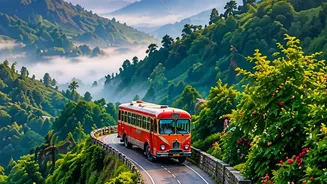
While trains are essential, they don't go everywhere. For shorter distances or reaching remote hill stations, a mix of other transport is needed. Domestic flights are affordable and save significant time on long cross-country journeys. For regional travel, air-conditioned buses can be a comfortable option and are easily booked through various apps. In most cities, ride-hailing apps like Uber and Ola are widely available for booking cars and even auto-rickshaws, offering transparent, fixed pricing that eliminates the need for negotiation. These apps are a game-changer for tourists, providing a safe and predictable way to navigate urban environments.
The Final Mile: Navigating Local Transport
For short hops around a city, nothing beats the auto-rickshaw. These three-wheeled vehicles are iconic, affordable, and adept at weaving through traffic. In many cities, drivers may be reluctant to use the meter, so it is essential to agree on a fare before you start your journey. A good tactic is to check the estimated fare for the same trip on Ola or Uber to get a baseline price for your negotiation. In larger cities like Delhi and Mumbai, the metro systems are clean, efficient, air-conditioned, and an excellent way to bypass traffic for sightseeing. Don't be afraid to embrace these local options; they are often the most convenient and memorable part of the travel experience.