

A Modern Form of Self-Expression
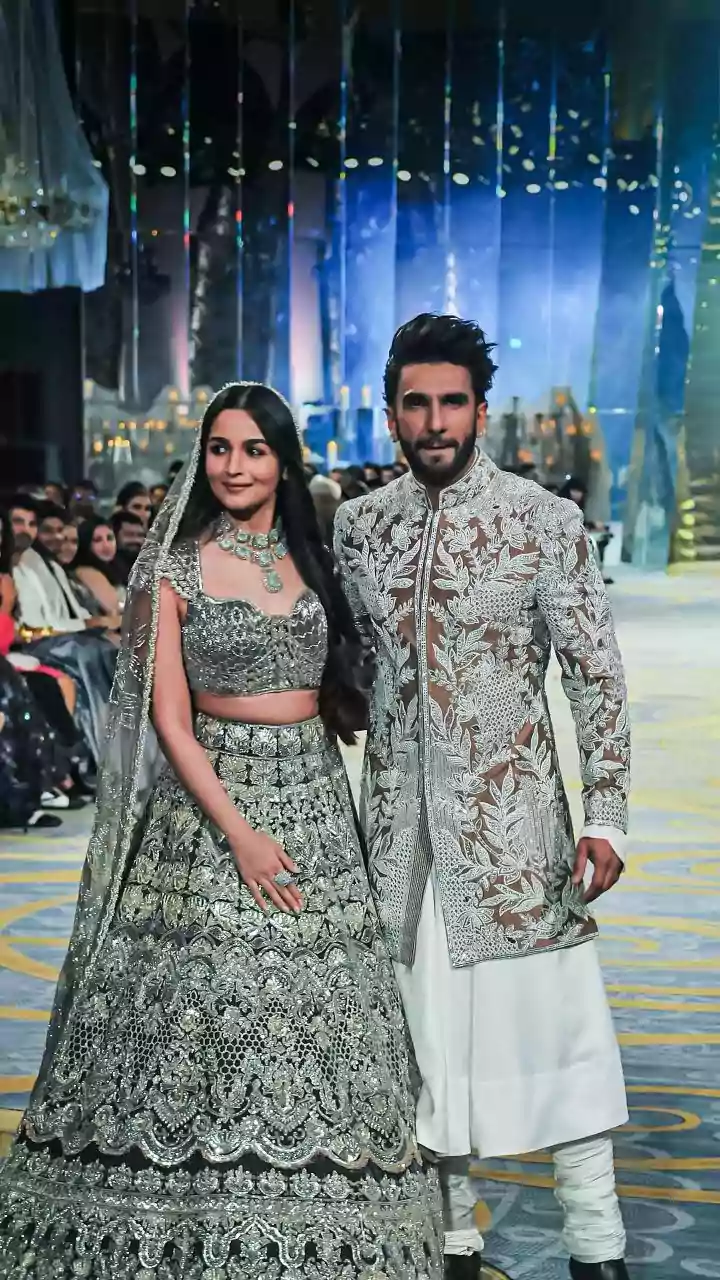
For young Indians, fashion is a powerful tool for self-expression, and this hybrid style speaks their language perfectly. It’s a visual representation of a generation that is globally connected yet deeply proud of its heritage. By pairing the clean, structured
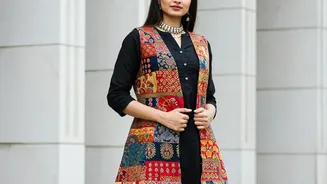
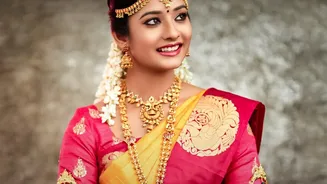
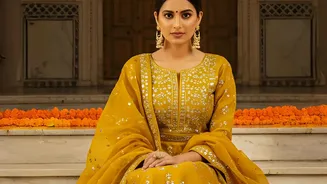
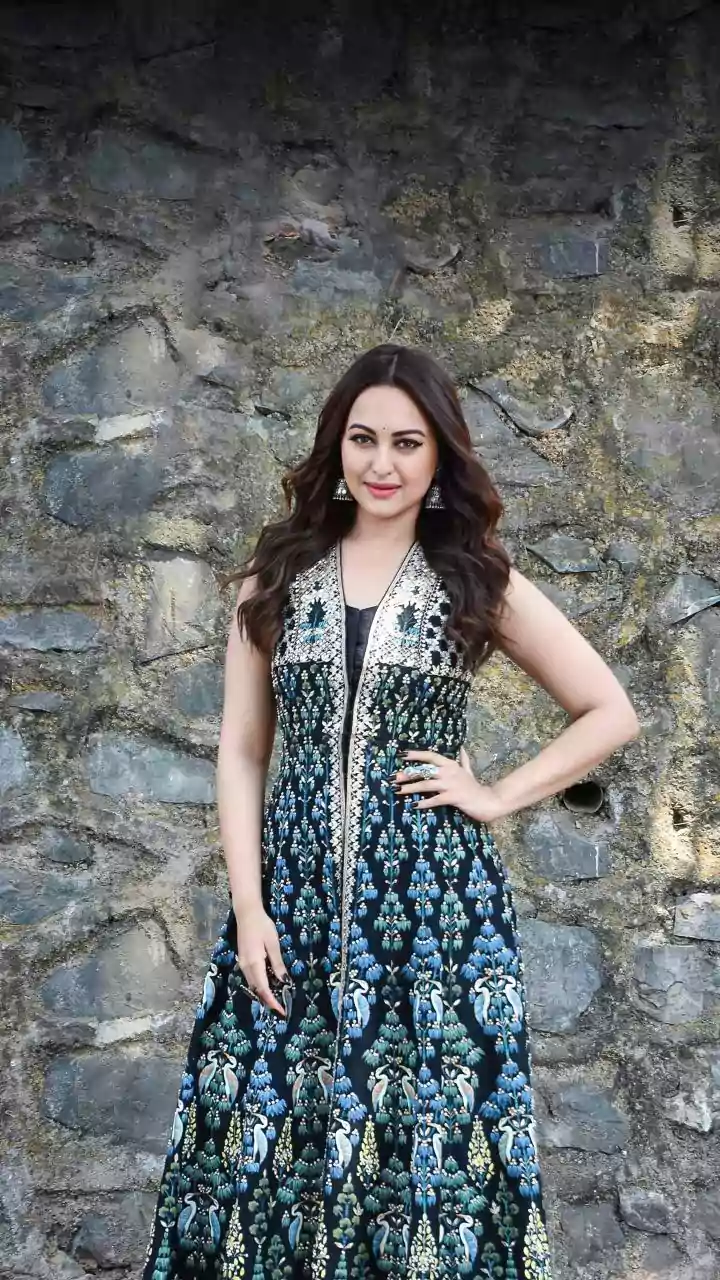
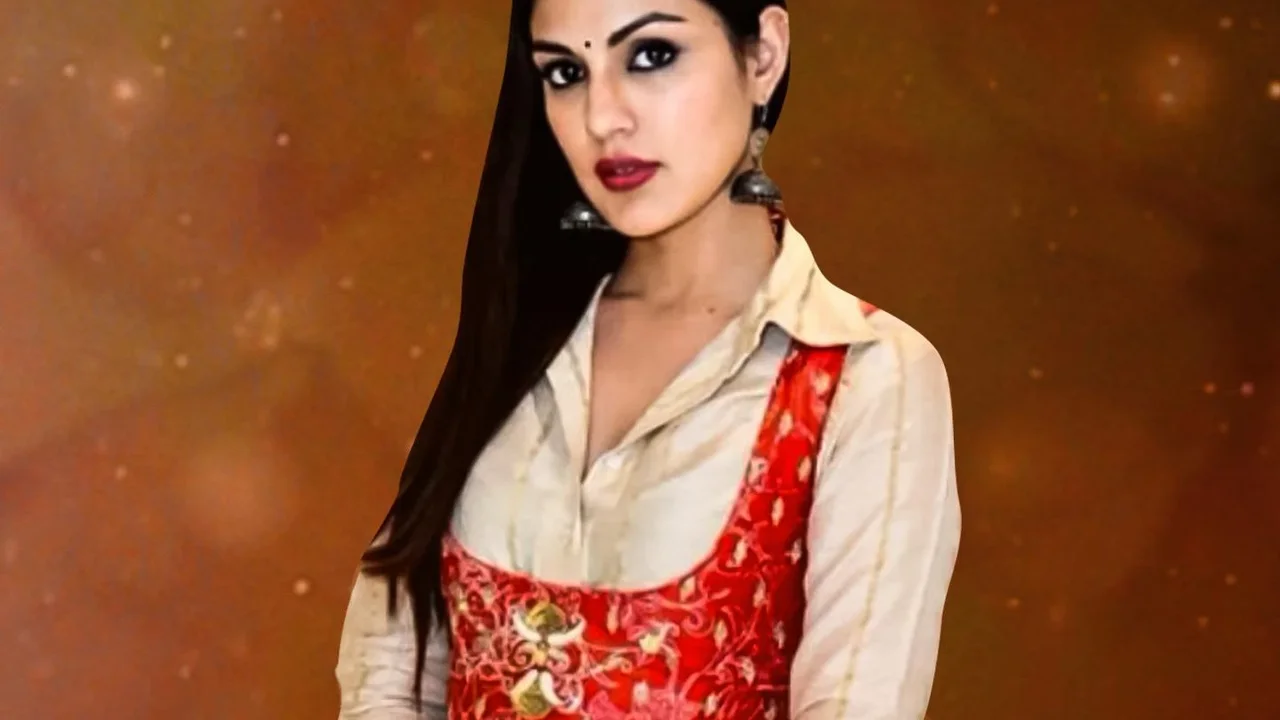
lines of Western tailoring with the riot of colour and intricate patterns of Indian handlooms, they craft a unique identity that refuses to be boxed in. It says, 'I can appreciate a classic silhouette and also celebrate the artistry of a Bandhani tie-dye or a Kanjeevaram weave'. This is not about choosing between a modern or a traditional look, but about creating a third, more personal aesthetic that feels authentic.
The Power of Contrast
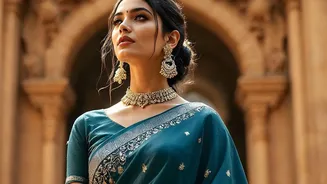
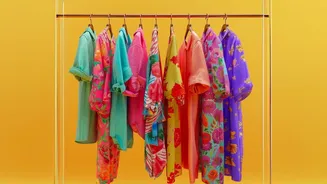
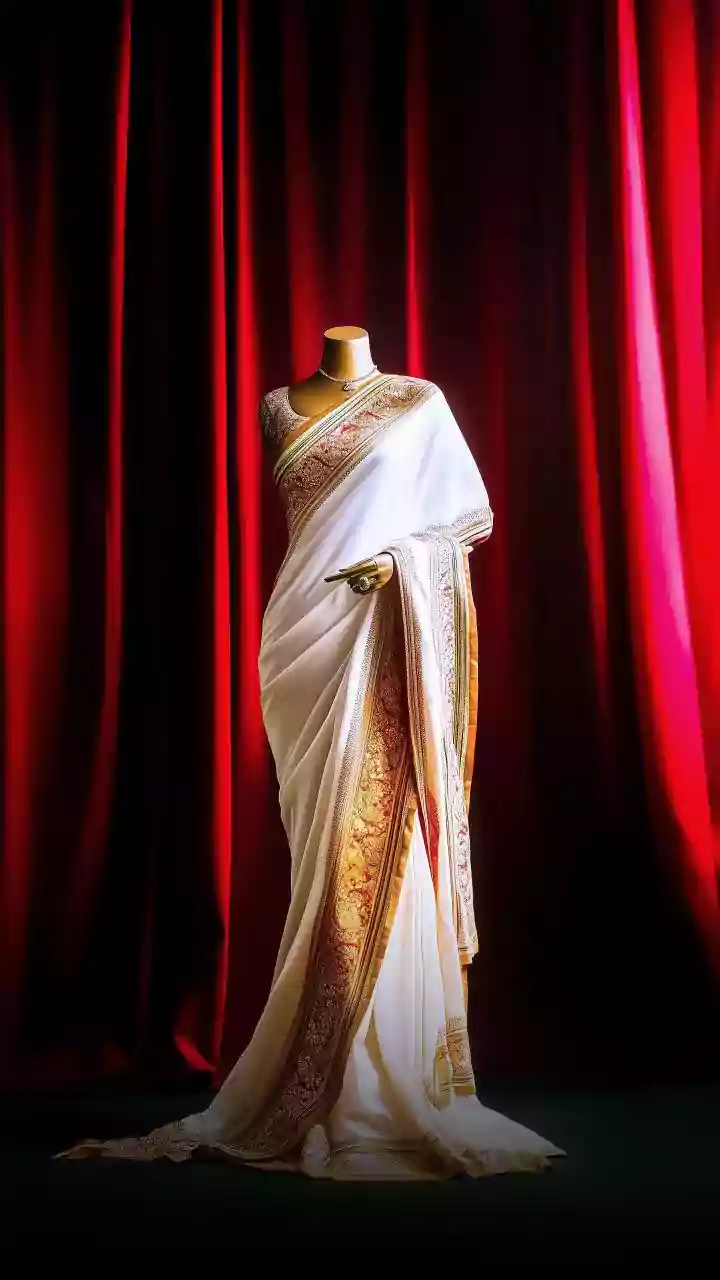
The secret to this effortless blend lies in the power of contrast. The simplicity of minimalist design—think clean lines, solid forms, and uncluttered silhouettes—provides the perfect canvas for the maximalism of Indian textiles. The rich, often complex patterns of fabrics like Ajrakh, Pochampally Ikat, or Banarasi brocade are allowed to take centre stage without overwhelming the senses. A structured, sharply tailored jacket, for example, gives the fluid, artisanal fabric a modern edge, preventing it from looking purely traditional. This juxtaposition creates a visual harmony where both elements—the fabric and the cut—are elevated.
Breaking Down Dress Codes
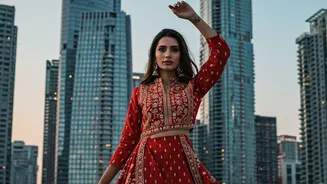
This fusion trend is also about incredible versatility. For a generation with dynamic, fast-paced lifestyles, clothing needs to multitask. An Ikat blazer can be worn over a simple shirt for a creative-office look and then paired with a kurta for a festive occasion later that day. Similarly, a tailored crop top made from a traditional textile can be styled with high-waisted trousers for a brunch or with a matching lehenga skirt for a wedding. This adaptability breaks down the rigid walls between 'festive wear' and 'everyday wear', allowing for a more fluid and functional wardrobe that doesn’t compromise on style or cultural significance.
The Rise of Conscious Consumption
Underpinning this trend is a growing desire for sustainable and meaningful fashion. Many young consumers are turning away from fast fashion, seeking pieces with longevity and a story. Traditional Indian textiles, often produced using handloom techniques and natural dyes, align perfectly with this 'slow fashion' ethos. Choosing a garment made from handwoven fabric is a way to support local artisan communities and preserve generational craftsmanship. When this fabric is then used in a timeless, tailored silhouette, it results in a garment that is meant to be cherished for years, not just a single season. This makes the purchase feel both stylish and socially responsible.