



The Great Urban Exodus
The trend isn't just a fleeting 'workation'; it's a fundamental lifestyle shift. For a growing number of professionals in India, the widespread adoption of remote work has untethered them from geographical constraints. Freed from the necessity of being
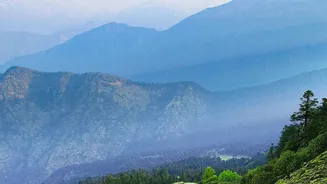
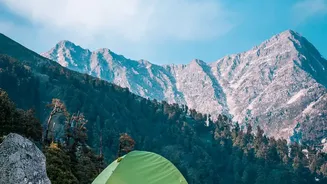
in Bengaluru, Mumbai, or Delhi, they are asking a new question: if you can work from anywhere, why not work from somewhere beautiful? The primary drivers are a desire to escape urban burnout, relentless traffic, pollution, and the high cost of living. The promise of crisp mountain air, a slower pace of life, and a healthier work-life balance is a powerful antidote to the pressures of metropolitan life.
A Desk With a Himalayan View
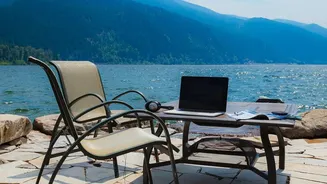
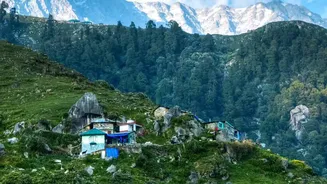
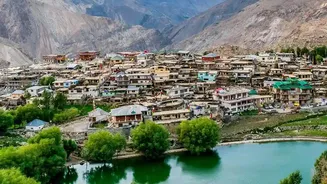
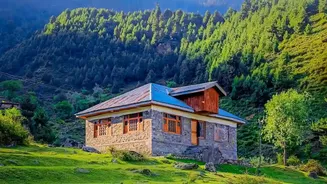
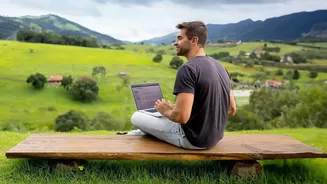
Himachal's towns have adapted quickly to this new demographic. Places like Dharamkot, Manali, Bir, and the Tirthan Valley are no longer just for tourists. They have evolved into hubs for digital nomads, complete with co-working spaces, homestays offering long-term packages, and cafes boasting high-speed internet. In villages like Dharamkot, often called India's digital nomad capital, it's common to see coders, writers, and marketers tapping away on laptops. The workday is punctuated by hikes, steaming momos from a local kitchen, and evenings spent around a bonfire, networking with fellow remote workers.
Balancing Budgets and Bandwidth
A significant draw is the economic advantage. The cost of living in Himachal is a fraction of that in a major Indian city. A one-bedroom apartment in Manali, including Wi-Fi and electricity, can be rented for around ₹14,000 a month. One remote worker calculated his total monthly expenses in Manali to be approximately ₹21,000, a figure that would barely cover rent in a metro. Overall monthly budgets for a comfortable lifestyle range from ₹25,000 to ₹40,000. The biggest concern for any remote worker—internet connectivity—has also been addressed. Many areas now have reliable fibre internet with speeds of 100-200 Mbps, and most accommodations offer power backup to deal with occasional outages.
Community in the Clouds
Far from being an isolating experience, the move to the mountains often leads to a new sense of community. The shared experience of being a 'flatlander' in the hills creates an instant bond. Co-living spaces like NomadGao and AltSpace actively foster this community with organised events, skill-sharing sessions, and communal dinners. This creates a unique social fabric, blending the local Himachali culture with a diverse, transient population of creators, tech professionals, and freelancers from across India and the world. This environment provides the social interaction that remote work can sometimes lack.
The Other Side of the Mountain
However, the trend is not without its challenges. The influx of long-term visitors is putting a strain on local resources, particularly housing and water, leading to rent inflation for locals. There is also a growing concern about the environmental impact, with increased waste and pressure on fragile ecosystems. The cultural dynamic is also shifting, as quiet villages grapple with becoming digital nomad hotspots. While the economic benefits for local businesses are undeniable, there is a growing conversation about sustainable tourism and ensuring that this new way of living benefits both the newcomers and the host communities in the long run. It's a delicate balance between embracing a modern work trend and preserving the very tranquility that attracts people in the first place.