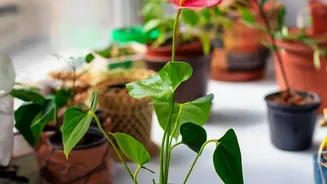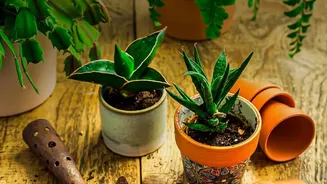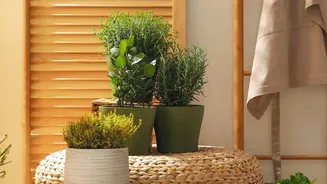

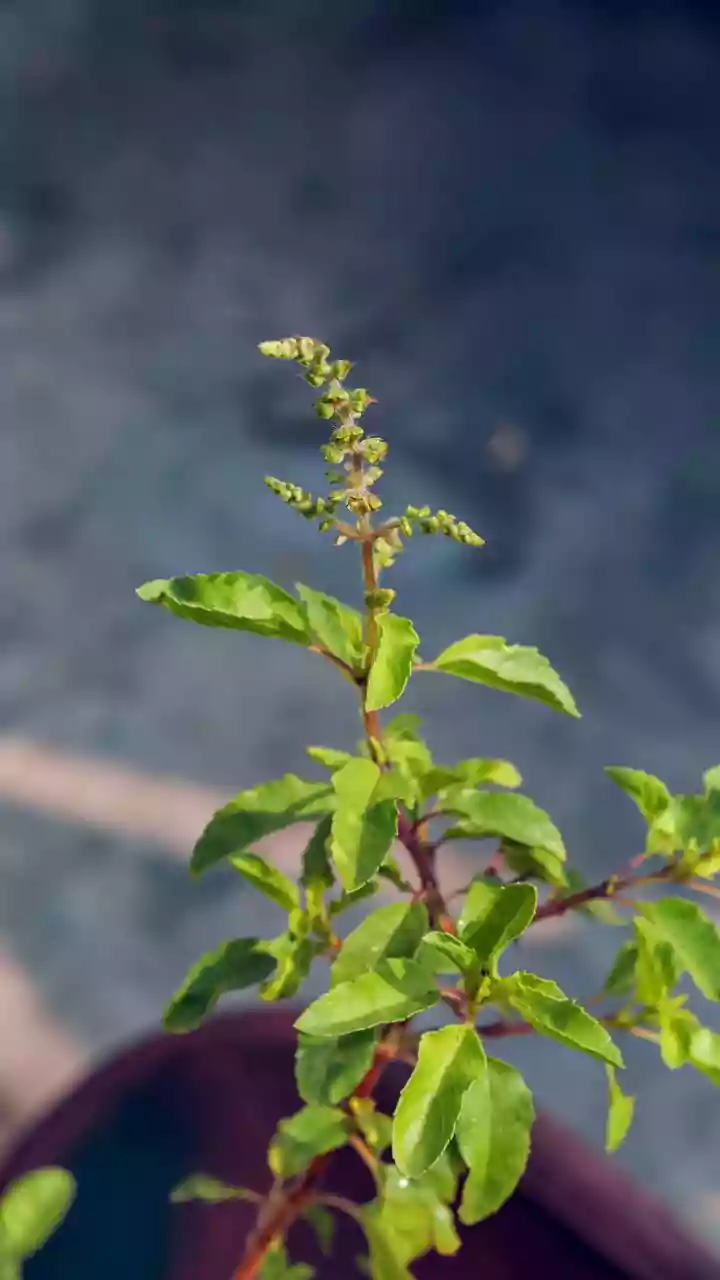

Have you noticed your favourite houseplant starting to lean, reaching desperately for the nearest window? This common sight is a natural process, but it can lead to lopsided, uneven growth. The fix is simple: giving your plant a regular turn.
The Science of the Lean
That distinct
bend toward a window isn't your plant being stubborn; it’s a biological survival instinct called phototropism. Plants possess a growth hormone called auxin, which directs their development. This hormone accumulates on the shaded side of the stem, away from the primary light source. The increased concentration of auxin causes the cells on the darker side to elongate more rapidly than the cells on the sunnier side. This difference in cell growth is what creates the physical lean, as the plant contorts itself to maximize the light exposure for its leaves, which is crucial for photosynthesis. While brilliant for a plant in the wild, indoors it results in a less-than-desirable lopsided look.
Benefits Beyond a Balanced Look
Correcting a lean is the most obvious reason to rotate your plants, but the advantages go much deeper. Regular rotation promotes symmetrical, robust growth, resulting in a fuller and healthier-looking plant from all angles. When all sides of the plant receive their fair share of light, foliage develops more evenly, preventing the 'bald spot' that often appears on the side facing away from the window. This balanced light exposure also contributes to stronger stems and can encourage new shoots in previously shaded areas. Furthermore, the simple act of turning your plants provides a regular opportunity to inspect them for pests, dust on the leaves, or early signs of distress, making it a cornerstone of proactive plant care.
The Quarter-Turn Rule of Thumb
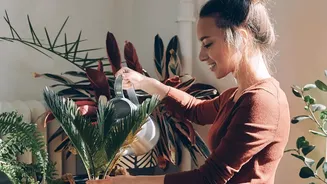
The key to successful plant rotation is consistency, not intensity. A dramatic 180-degree turn can shock a plant by suddenly changing its entire light environment. The most recommended and gentlest method is the quarter-turn. A simple 90-degree rotation is enough to present a new side to the light source without causing stress. The easiest way to remember is to tie this habit to another part of your plant care routine. Many experts suggest giving your plant a quarter-turn every time you water it. For most common houseplants, this translates to a turn every one to two weeks, which is frequent enough to prevent a significant lean from developing during active growing seasons. Always turn the pot in the same direction to ensure a full rotation over time.
Which Plants Crave a Spin?
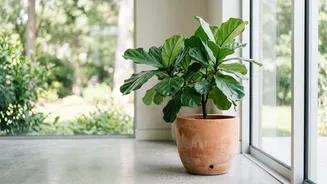
While nearly all plants benefit from some rotation, certain types are particularly prone to leaning and show the most dramatic improvement. Fast-growing, leafy plants are prime candidates. Fiddle-Leaf Figs (Ficus lyrata), for example, are notorious for developing a one-sided look if left unattended, and regular turns are essential to keep them growing straight. Other popular houseplants like Monsteras, Pileas ('Pancake Plant'), and most types of Philodendron and Pothos will grow much more symmetrically with consistent rotation. If you notice a plant starting to look unbalanced or fuller on one side, it's a clear signal that it would benefit from being added to your rotation schedule.
When to Let Them Be
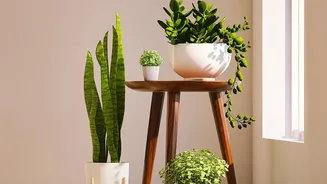
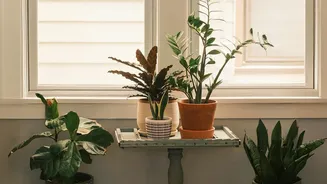
Rotation is not a universal mandate for every plant in every situation. Some plants are either slow growing enough or have a growth habit that makes rotation less necessary. For instance, Snake Plants and ZZ Plants are very slow growers and their upright structure is less prone to dramatic leaning. Trailing plants, like a String of Pearls, may be intentionally grown to cascade in one direction, and rotating them could disrupt their aesthetic. A critical exception is flowering plants that have already set buds, such as certain Orchids or a Christmas Cactus. Suddenly changing their orientation to the light can cause stress and lead to 'bud drop,' where the plant sheds its unopened flowers. Once the plant is in bloom, it’s best to leave it in place until the flowering cycle is complete.