





Sorbet vs. Ice Cream: The Cool Difference
Before we dive into a world of flavour, let's clear up a common confusion. What separates a sorbet from its creamy cousin, ice cream? The answer is simple: dairy. Traditional ice cream is made with a custard base of milk, cream, and egg yolks, giving
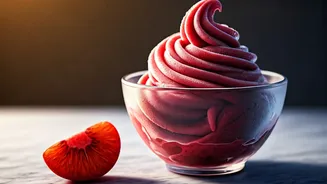
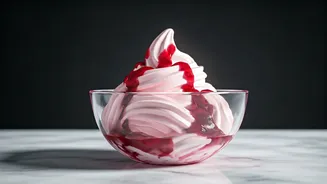
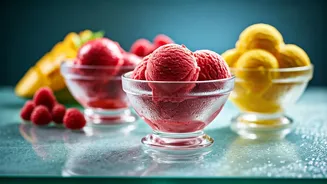
it a rich, fatty texture. Sorbet, on the other hand, is a minimalist marvel. It’s typically made from just two main ingredients: fruit purée (or juice) and sugar. This simple, water-based composition is its superpower. Without the heavy fats from dairy, sorbet delivers a cleaner, more direct fruit flavour and a texture that feels lighter and more hydrating on a scorching day. It’s the pure essence of fruit, frozen into a scoopable, melt-in-your-mouth delight.
The Hydration Hero: Watermelon & Melon Sorbets
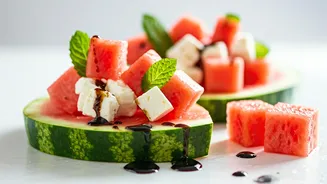
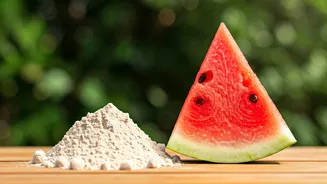
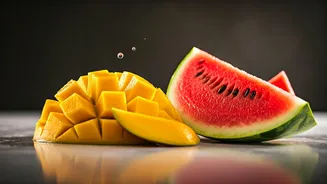
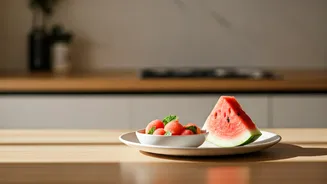
During a heatwave, hydration is key, and your dessert can actually help. Sorbets made from fruits with high water content are essentially a delicious way to replenish fluids. Watermelon, which is over 90% water, makes for an incredibly refreshing sorbet. Its light, sweet flavour is the perfect antidote to a sweltering afternoon. Similarly, muskmelon (kharbuja) or cantaloupe create sorbets with a beautiful perfume and a subtle sweetness that cools you from the inside out. These sorbets aren’t just tasty; they’re a smart way to combat the draining effects of the heat while satisfying your sweet tooth.
The Undisputed King: Classic Mango Sorbet
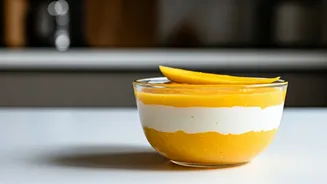
For many in India, summer is synonymous with mangoes. While we enjoy them fresh, in lassis, or as aamras, mango sorbet is perhaps the fruit’s most regal frozen form. The natural creaminess and low water content of mango pulp mean it freezes into a beautifully smooth, dense sorbet without any dairy. The flavour is intense, tropical, and deeply satisfying. A scoop of bright orange mango sorbet is like capturing the very soul of summer. It’s a celebration of the season’s most beloved fruit, offering a familiar comfort in a new, refreshingly icy texture. For the best result, use sweet, fragrant varieties like Alphonso or Kesar.
The Zesty Refresher: Citrus Sorbets
There's a reason we reach for nimbu pani on a hot day. The sharp, acidic tang of citrus cuts through the heat and revives the senses. This same principle applies to sorbets. Lemon, lime, or orange sorbets are exceptionally effective at quenching thirst and cleansing the palate. The tartness provides a jolt of energy that feels invigorating when the temperature soars. A lemon sorbet, in particular, is a sophisticated classic. It’s bright, sharp, and not overly sweet, making it a perfect dessert after a heavy meal or as a standalone pick-me-up. The zing is an instant mood-lifter, guaranteed to make you feel a few degrees cooler.
A Taste of the Tropics: Pineapple & Jamun
Beyond the usual suspects, other fruits create stunning sorbets that evoke a sense of vacation. Pineapple sorbet, with its perfect balance of sweet and tart, is a tropical powerhouse. Its fibrous texture blends into a smooth, flavour-packed frozen treat. For a uniquely Indian twist, consider jamun (black plum) sorbet. Its deep purple hue is visually striking, and its distinctive sweet, sour, and slightly astringent flavour profile is incredibly refreshing. The taste is complex and nostalgic, reminiscent of summers spent eating the fresh fruit. These sorbets offer an escape, transforming a simple dessert into a mini-getaway for your taste buds.
Bonus: Make Your Own Simple Sorbet
You don't need a fancy ice cream machine to enjoy homemade sorbet. The 'no-churn' method is surprisingly simple. Start with approximately 500 grams of fruit purée (blend fresh, ripe fruit and sieve if necessary). In a small saucepan, create a simple syrup by gently heating 1/2 cup of sugar with 1/2 cup of water until the sugar dissolves completely. Let it cool. Mix the cooled syrup with your fruit purée—add a squeeze of lemon or lime juice to brighten the flavour. Pour the mixture into a shallow, freezer-safe container. Freeze for 45 minutes, then use a fork to scrape and break up the ice crystals. Repeat this scraping process every 30-45 minutes for 2-3 hours, until you have a smooth, scoopable texture. This breaks up the ice crystals and creates a surprisingly creamy result.