




Often overlooked, a belt is one of the hardest-working accessories in any wardrobe. Far more than a functional item, the right belt can define your silhouette, add a pop of colour, and pull an entire look together.
The Width Question: Skinny, Standard, or Wide?
The width of a belt dramatically changes
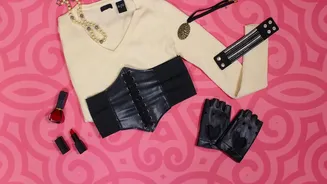
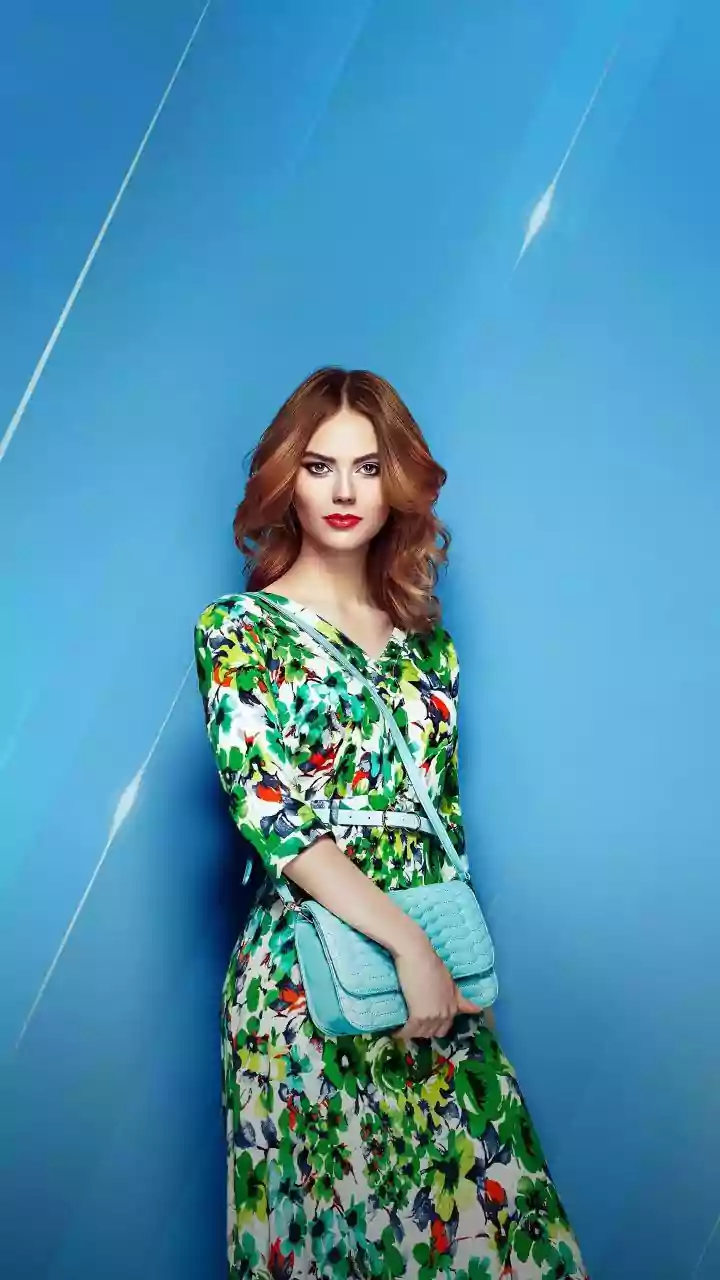
its impact. Skinny belts (around 1-2 cm) offer a subtle, elegant touch. They are perfect for defining the waist on flowing dresses, blazers, or with high-waisted trousers where you want a clean line without adding bulk. Medium-width belts (around 3-4 cm) are the versatile workhorses of a wardrobe. They are substantial enough for jeans and casual trousers but can also work with shirt dresses. Wide belts are designed to be a statement. They are excellent for cinching loose-fitting dresses, oversized jackets, or long cardigans, creating a structured hourglass shape and adding a point of interest. As a general rule, let the garment guide you: lighter fabrics pair well with slimmer belts, while heavier materials can handle a wider style.
A Spectrum of Style: Choosing Your Colours
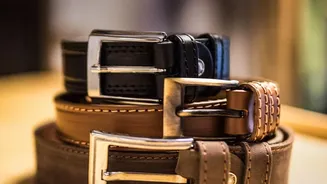
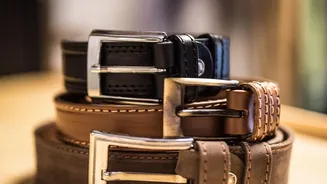
The old rule of matching your belt to your shoes is no longer a strict requirement. While it can create a cohesive and formal look, modern styling offers more flexibility. For a lengthening, streamlined effect, choose a belt that is a similar colour to your trousers or skirt; this creates an unbroken vertical line. Conversely, a contrasting belt acts as a focal point. A bold colour against a neutral outfit draws the eye to the waist and adds personality. Black and brown leather belts are timeless staples that work with most things. Don't be afraid to experiment with metallics for evening glamour or woven textures for a relaxed, bohemian feel. A key consideration is the hardware. Matching the buckle's metal (gold, silver, etc.) to your other jewellery or the hardware on your bag creates a polished, intentional feel.
Placement is Everything: Waist, Hips, and Beyond
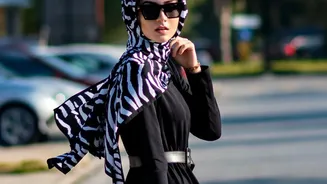
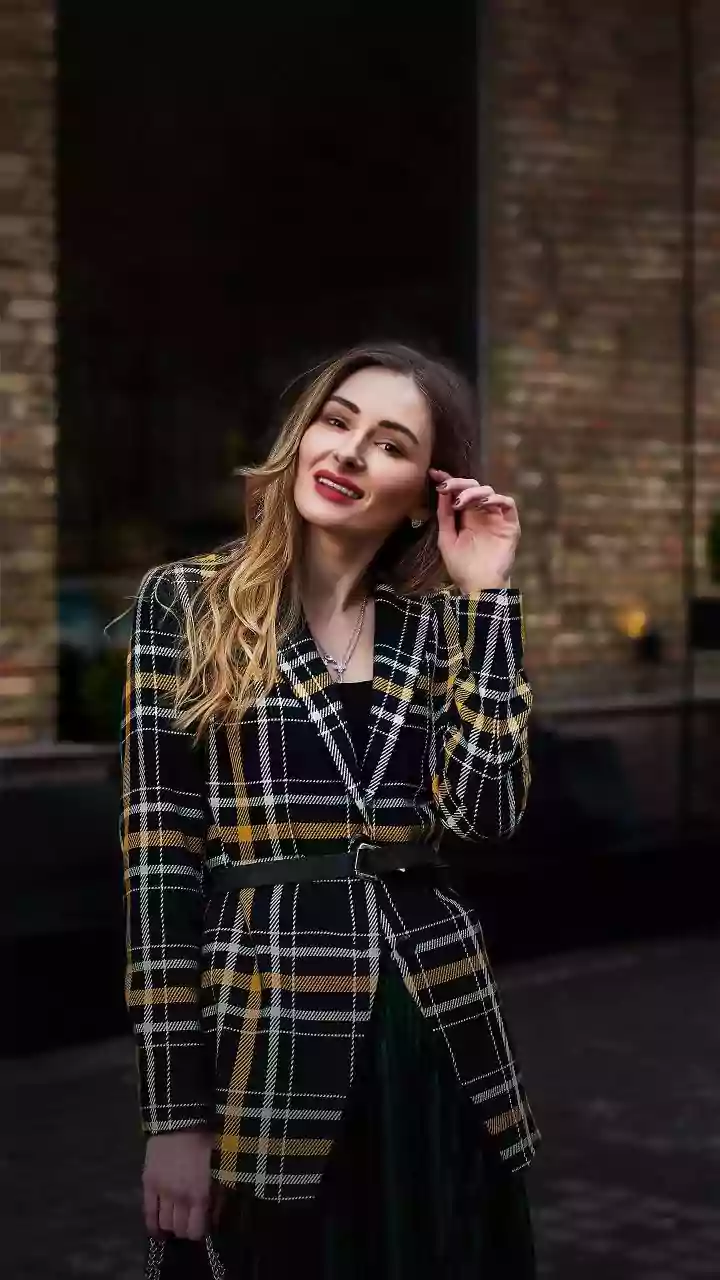
Where you wear your belt can completely alter your proportions. Placing a belt at your natural waist—the narrowest part of your torso—is the most classic option, creating or highlighting an hourglass curve. For those looking to elongate their legs, positioning the belt slightly higher, just under the bustline, can create an empire-waist effect that makes you appear taller. For a more relaxed, modern, or bohemian vibe, wearing a belt slung low on the hips works wonderfully, especially with straight-cut dresses or low-rise trousers. Don't be limited by belt loops. One of the most effective styling tricks is to wear a belt over an item that doesn't have loops, such as a blazer, a chunky knit cardigan, or even a winter coat. This instantly adds shape to boxy or oversized silhouettes and gives familiar pieces a fresh look.
Beyond the Basics: Buckles and Styling Tricks
The buckle itself is a key part of the belt's personality. A simple, polished buckle is ideal for formal or office settings, while a larger, more ornate, or uniquely shaped buckle can act as a piece of jewellery, becoming the centrepiece of your outfit. Don't worry if your belt is a bit too long. A popular styling trick is to knot the excess length, looping it through and letting it hang down for a deliberately casual finish. For an advanced, high-fashion look, consider layering belts. You can pair a structured belt at the waist with a delicate chain belt draped lower on the hips for a play on texture and proportion. The most important thing is to ensure the belt feels intentional. It should look like a deliberate choice that either anchors the outfit or provides a stylish contrast.