





The Foundation: MOXIE's Martian Success
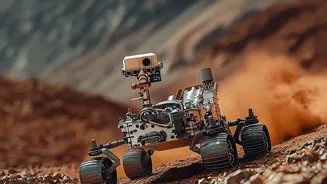
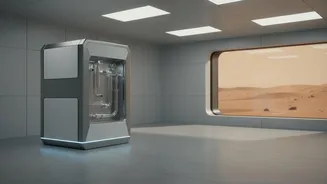
To understand the future, we must first look to a lunchbox-sized instrument that made history. Tucked aboard NASA’s Perseverance rover, the Mars Oxygen In-Situ Resource Utilization Experiment, or MOXIE, was a groundbreaking proof of concept. Between 2021
and 2023, MOXIE successfully demonstrated that it could pull in the thin, carbon dioxide-dominant Martian atmosphere and, through a process called solid oxide electrolysis, split the CO2 molecules to produce pure oxygen. The process works by heating the Martian air to around 800°C and using an electrochemical process to separate one oxygen atom from each carbon dioxide molecule. Over 16 successful runs, MOXIE generated a total of 122 grams of oxygen, reaching a peak production rate of 12 grams per hour — about twice its original goal and equivalent to the rate of a small tree on Earth. While not enough to support an astronaut, it proved definitively that making oxygen on another planet was possible.
The Next Generation: More Power, Less Waste
MOXIE was a trailblazer, but its technology has limitations for a full-scale human mission. It requires significant power for its compressors and heaters to create the right operating conditions, which are very different from the Martian ambient environment. This has spurred scientists to develop several major 'upgrades' and alternative approaches. One of the most promising comes from researchers at Washington University, who have developed an electrolyzer that works with the salty water, or brine, believed to exist in underground lakes on Mars. This system can operate in simulated Martian temperatures of -36°C and is estimated to produce 25 times more oxygen than MOXIE using the same amount of power. Crucially, it also produces hydrogen as a byproduct, a vital component for rocket fuel that would otherwise have to be manufactured separately.
Thinking Outside the Box: Plasma and Light
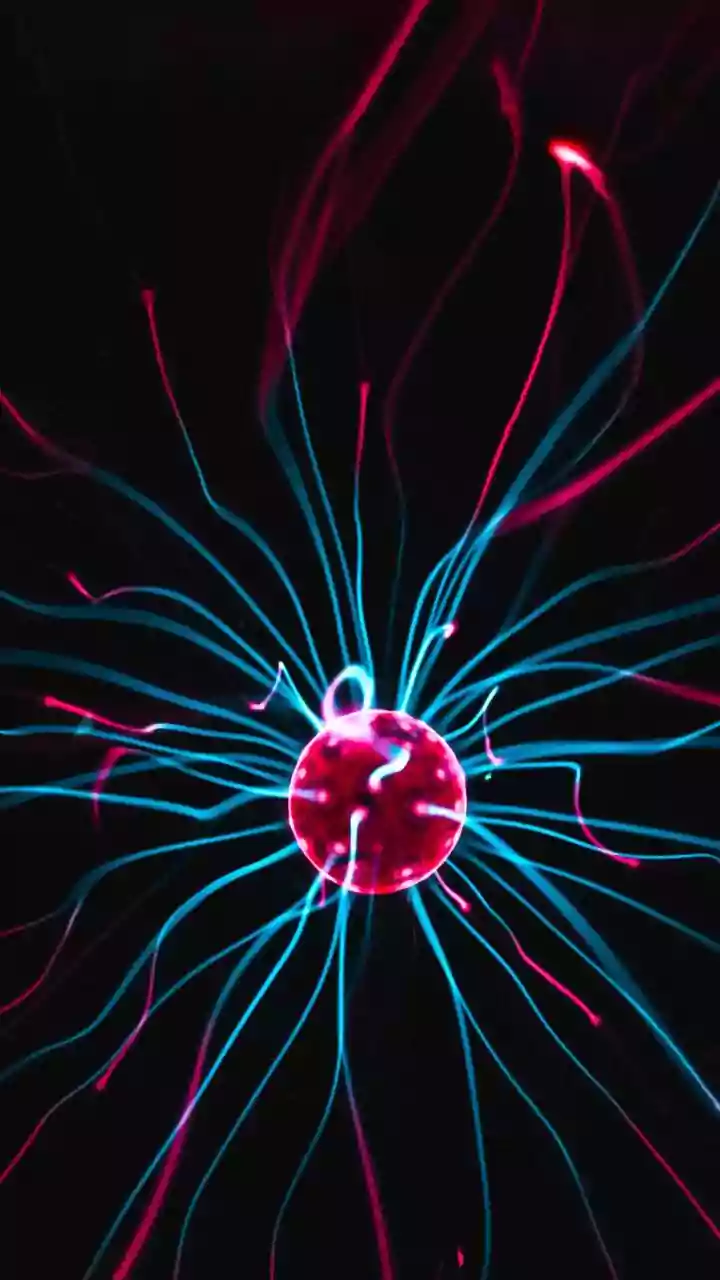
Other teams are rethinking the process entirely. One innovative method involves using plasma instead of high-heat electrolysis. This approach uses electrical fields to energize the CO2 molecules and break them apart. A key advantage is that it can work in the low-pressure conditions natural to Mars, potentially eliminating the need for the heavy, power-hungry pumps MOXIE relies on. Scientists in Romania have experimented with ultra-dense plasma jets that split CO2 almost instantaneously, a process that could be far more efficient and less prone to breaking down. Another concept, demonstrated for extracting oxygen from lunar soil, is solar pyrolysis. This uses concentrated sunlight to heat material to extreme temperatures, causing it to release its oxygen. While developed for the Moon, the principle of using a planet’s most abundant resource—sunlight—to create a breathable atmosphere is a powerful one for future Mars missions.
What 'Mass Oxygen' Means for a Mission
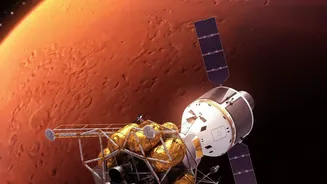
The push for these upgrades isn't just about giving astronauts breathable air, which requires about one metric ton of oxygen for a crew of four for a year. The much larger demand comes from rocket propellant. Getting a crew off the surface of Mars for the return journey to Earth would require an estimated 33 to 50 tons of liquid oxygen to act as the oxidizer for the fuel. Transporting that much oxygen from Earth is logistically impossible with current technology. Therefore, manufacturing it 'in-situ'—or on-site—is the only viable path forward. A scaled-up version of these new reactor technologies would need to operate continuously for thousands of hours, producing kilograms of oxygen per hour, not just grams. These future systems would be sent to Mars ahead of any human mission, working autonomously to fill massive storage tanks with breathable air and rocket propellant, waiting for the first human explorers to arrive.