




What Is This Viral Dessert?
Across social media feeds, a simple, elegant dessert has captured the attention of food lovers looking for mindful indulgences. At its heart, this viral sensation is a creamy, pudding-like concoction that heroes two classic South Asian ingredients: palm
jaggery and coconut. Often presented as a no-bake panna cotta or a chilled pudding set in glasses, its appeal lies in its minimalist preparation and sophisticated flavour. Unlike desserts loaded with refined sugar, this one boasts a deep, caramel-like sweetness with smoky undertones, balanced by the rich, mellow flavour of coconut milk. It’s the kind of dessert that feels both rustic and modern, a comforting taste of tradition presented with contemporary flair.
The Star Ingredient: Palm Jaggery
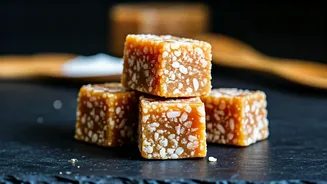
The magic of this dessert comes from palm jaggery, known as 'karupatti' in Tamil Nadu or 'nolen gur' in Bengal. This is not the same as the more common sugarcane jaggery. Palm jaggery is made from the sap of palm trees, such as the date palm or palmyra palm. The sap is collected and boiled down until it solidifies, a process that avoids the heavy refining and chemical treatment used to produce white sugar. The result is a dark, intensely flavourful sweetener that tastes of caramel, chocolate, and a hint of smokiness. This complex flavour profile is what elevates the dessert from merely sweet to something truly memorable and complex.
A Smarter Swap for Refined Sugar?
The headline's call to 'ditch sugar' is a bold one, but there's some substance behind it when comparing palm jaggery to its refined white counterpart. Because it's unrefined, palm jaggery retains trace minerals from the palm sap, including iron, magnesium, and potassium. It also has a lower glycemic index (GI) than white sugar, meaning it causes a slower, more gradual rise in blood sugar levels. This can help in avoiding the sharp energy spikes and subsequent crashes associated with high-GI foods. However, it's crucial to remember that palm jaggery is still a sugar. It is calorically dense and should be enjoyed in moderation as part of a balanced diet. Its main advantage lies in its nutritional bonus and richer flavour, which often means you need less of it to feel satisfied.
The Creamy Goodness of Coconut
Coconut is the perfect partner for palm jaggery. The dessert typically uses full-fat coconut milk, which provides a luscious, creamy base that carries the jaggery’s flavour beautifully. The healthy fats in coconut milk not only contribute to a rich mouthfeel but also promote a feeling of satiety, helping you feel full and satisfied with a smaller portion. Some variations also incorporate tender coconut flesh or grated fresh coconut for added texture and a more pronounced flavour. Together, coconut and palm jaggery create a harmonious blend that feels both indulgent and nourishing, a hallmark of traditional Indian sweets.
How to Make the Dessert at Home
This recipe creates a simple, set pudding. You will need: 400ml full-fat coconut milk, 1/2 cup grated or powdered palm jaggery (adjust to taste), 2 teaspoons agar-agar powder (for a vegan set) or 2 tablespoons cornflour, a pinch of cardamom powder, and a splash of water.
1. First, gently melt the palm jaggery with a few tablespoons of water in a saucepan over low heat until a smooth syrup forms. Strain it to remove any impurities and set it aside.
2. In a separate bowl, whisk your setting agent (agar-agar or cornflour) with a small amount of the cold coconut milk until smooth to avoid lumps.
3. Pour the remaining coconut milk into a saucepan and bring it to a gentle simmer. Add the setting agent mixture and whisk continuously for 2-3 minutes until the milk thickens slightly.
4. Turn off the heat. It's important to let the coconut milk cool for a minute before adding the jaggery syrup. Adding jaggery to boiling milk can sometimes cause it to curdle.
5. Stir in the melted jaggery syrup and the pinch of cardamom powder. Mix well.
6. Pour the mixture into individual serving glasses or bowls. Let it cool to room temperature before refrigerating for at least 2-3 hours, or until fully set. Garnish with toasted nuts or coconut flakes before serving.
Tips for Perfect Results
To ensure your dessert turns out perfectly, keep a few things in mind. Always use good quality, full-fat coconut milk for the best creamy texture; light coconut milk can result in a watery pudding. When melting the palm jaggery, do it slowly over low heat to prevent it from burning, which would create a bitter taste. The most critical step is to avoid curdling. Let the coconut milk cool slightly after simmering before you stir in the acidic jaggery syrup. If you're using cornflour, make sure to cook it long enough to remove the raw, starchy taste. For a richer flavour, you can toast the cardamom powder for a few seconds in a dry pan before adding it to the mix.