







Why Your Gut is Vulnerable During Monsoon
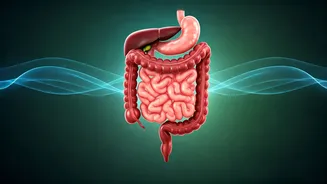
The monsoon creates a perfect storm for digestive distress. The combination of high humidity and moisture provides an ideal breeding ground for harmful bacteria, viruses, and parasites. [21] This affects us in two main ways. Firstly, our digestive system
naturally becomes more sluggish in humid weather, making it harder to process heavy foods. [17, 24] Secondly, the risk of contamination skyrockets. Heavy rains can lead to sewage overflowing into drinking water supplies, polluting everything from tap water to the vegetables washed in it. [21, 23, 25] This is why cases of gastroenteritis, food poisoning, cholera, and typhoid see a significant spike during this season. [19, 21] Since 70-80% of your body's immune system is located in the gut, protecting it is fundamental to your overall health. [19]
The 'Eat This' List: Foods to Strengthen Your Gut
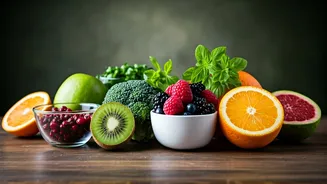
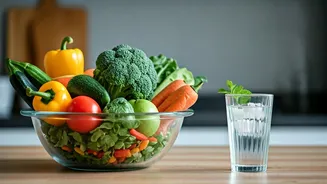
To keep your digestive system robust, focus on light, warm, and freshly cooked meals. [3, 8] Incorporate plenty of seasonal vegetables like bottle gourd (lauki), bitter gourd (karela), and beans, but ensure they are thoroughly washed and well-cooked, preferably steamed or in soups. [9, 11, 12] Whole grains such as oats, brown rice, and barley are gentle on the stomach and provide essential fibre. [2, 18] Seasonal fruits like jamun, pears, papaya, and apples are excellent for boosting immunity but should be washed carefully and consumed fresh. [9, 11] Spices are your allies; ginger, turmeric, garlic, and cumin have powerful anti-inflammatory and antimicrobial properties that aid digestion and fight off infections. [2, 6, 9] Finally, embrace probiotics by including fresh yoghurt (curd) and buttermilk in your daily diet to support a healthy balance of gut bacteria. [2, 5, 13]
The 'Not That' List: Foods to Avoid or Limit
Certain foods, however tempting, are best avoided during the monsoon. At the top of the list is street food, especially items like chaat and golgappas, which have a high risk of being prepared with contaminated water. [10, 24] Raw or pre-cut foods, including salads and fruit platters from vendors, are also risky as they can be exposed to germs. [10] It’s wise to be cautious with leafy green vegetables like spinach and cabbage; their folds can trap dirt and pathogens, making them difficult to clean thoroughly, so they must be cooked very well if consumed. [10, 24] Heavy, fried, and oily foods like pakoras and samosas can overburden your already slow digestive system, leading to bloating and indigestion. [7, 10, 24] Seafood should also be limited, as the monsoon is the breeding season for fish and prawns, increasing the risk of contamination. [7, 10, 22]
Smart Habits for a Healthy Monsoon
Beyond food, a few key habits are crucial for gut safety. The most important rule is to ensure your drinking water is safe; always use boiled, filtered, or purified water. [2, 21, 25] Avoid ice in drinks when you're outside, as its water source is often unknown. [10] Opt for warm beverages like herbal teas with ginger or tulsi, which can soothe the digestive system and boost immunity. [5, 9, 12] Prioritise home-cooked meals over eating out, as this gives you full control over hygiene. [4, 26] Wash all fruits and vegetables thoroughly, perhaps with a little salt or vinegar in the water, before consumption. [2] Finally, practice good hand hygiene by washing your hands with soap before every meal and after returning home from outside. [2, 25]