






What Exactly is Slacklining?
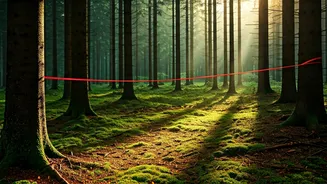
Slacklining involves balancing on a flat, dynamic piece of webbing anchored between two points. Unlike tightrope walking, which uses a taut steel cable, a slackline is intentionally loose, or “slack.” This means it sways, bounces, and reacts to your every
movement. The challenge isn’t just walking from A to B; it's about mastering your body’s response to an unstable surface. This dynamic nature makes it an accessible activity that has grown from a pastime for rock climbers into a worldwide fitness and mindfulness practice. There are different styles, from tricklining (performing acrobatic stunts) to longlining (walking longer distances) and even highlining, for the truly daring, which involves crossing lines set up high above the ground. For most people, however, it's a fun recreational activity enjoyed in a local park.
A Masterclass in Body Awareness
The reason slacklining feels so difficult is that it forces an intense conversation between your brain and your muscles. This sense is called proprioception: your body's awareness of its position in space. On a wobbly line, your brain receives constant, confusing signals. To stay upright, your body must make continuous, tiny adjustments, firing up stabilising muscles in your ankles, knees, hips, and, most importantly, your core. The constant shaking you feel is actually your own body's reflexes at work. It’s a full-body workout that builds functional strength you won’t find in a typical gym session, improving everything from your posture to your ability to prevent injuries in other sports.
More Than a Physical Workout
While the physical benefits are immense, the mental aspect of slacklining is just as profound. Successfully balancing, even for a few seconds, requires intense focus. You have to look forward at a fixed point, not down at your feet, and quiet the mental chatter that says you’re about to fall. This process is often described as a form of moving meditation. It demands that you stay present in the moment, making it an excellent tool for reducing stress and improving concentration. As you progress, the initial fear gives way to confidence, and the struggle to balance becomes a rewarding journey of self-control and mental resilience.
Your First Steps on the Line
Ready to try? The key is to start small and safe. For beginners, a short line (3-6 metres) set up low to the ground (about knee-height) is ideal. Choose a grassy area to soften any falls. Many beginners find it helpful to have a friend's hand for support or to set up near a tree for stability. Your posture is crucial: keep your knees slightly bent, arms raised to the sides for balance, and your gaze fixed on the anchor point ahead. Don't get discouraged by the wobble; embrace it as part of the learning process. Barefoot is often best, as it allows you to feel the line more accurately. In India, a growing community of 'slacktivists' can be found in cities like Mumbai, Delhi, Bengaluru, and Pune, often meeting in parks on weekends, creating a welcoming space for newcomers.