






The Myth of Spice as Flavour
For many diners, the word "spicy" is a synonym for Indian food. This association, while understandable, often reduces a vast and diverse culinary tradition to a single sensation: the burn of chilli. Historically, chilli peppers only arrived in India in the 16th
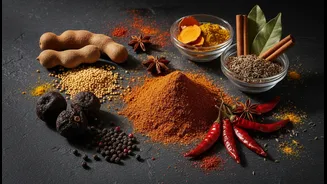
century. Before that, Indian cuisine built its flavour profiles on a complex interplay of aromatic and warming spices like black pepper, ginger, cardamom, and cumin. The modern fixation on heat often overlooks the fact that, in traditional Indian cooking, spice is about creating layered flavour, not just delivering a fiery punch. But now, a confident generation of chefs is leading a delicious correction, moving beyond the chilli to explore other forms of sharpness that have always been part of India's culinary DNA.
The New Sharpness: A World Beyond Chilli
This new movement isn't about abandoning bold flavours; it's about redefining them. The sharpest tastes on today's most innovative menus are coming from sources that provide tang, pungency, and complexity. Chefs are looking to the six classical tastes of Ayurveda—sweet, sour, salty, pungent, bitter, and astringent—as a framework for building more balanced and exciting dishes. Instead of masking flavours with overwhelming heat, they are using different kinds of sharpness to cut through richness, brighten ingredients, and create a more memorable dining experience. This shift prioritizes a deeper exploration of regional and forgotten recipes where sour, tangy, and fermented notes play a starring role.
The Power of Sour
One of the most prominent players in this flavour revolution is sourness. Ingredients like tamarind, kokum, and amchur (dried mango powder) are being celebrated for their ability to add a vibrant, mouth-puckering quality that elevates a dish. In South Indian cuisine, for instance, tamarind has long been essential for adding a tangy depth to stews like sambar. Modern chefs are now using these souring agents with fine-dining precision, creating tangy glazes for grilled meats, sharp counterpoints in creamy sauces, and refreshing notes in seafood preparations. This isn't about making food sour for its own sake, but about using acidity to make every other flavour on the plate taste more alive and distinct.
Pungency's Different Paths
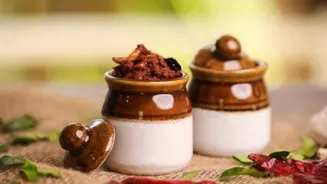
Pungency, often confused with the heat of chillies, is another area of exploration. It's the sharp, nasal bite you get from fresh ginger, the earthy heat of black pepper, or the assertive kick of raw mustard. Bengali cuisine's use of kasundi, a potent fermented mustard relish, is a prime example of this type of sharpness. Today's chefs are harnessing this power, using high-quality mustard oil to finish dishes or incorporating pungent raw onion and garlic with more intention. These elements provide a different kind of warmth and intensity that is more aromatic and complex than the singular burn of capsaicin, adding layers of flavour that evolve with each bite.
An Appreciation for Bitterness
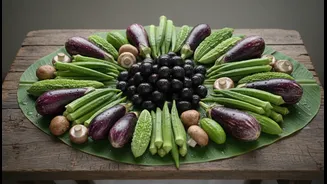
Perhaps the most sophisticated frontier in this new flavour landscape is the embrace of bitterness. Ingredients like fenugreek leaves (methi) and even bitter gourd (karela), once seen as challenging, are now being used as a mark of culinary confidence. Chefs are using their bitter notes as a complex counterpoint to sweet and rich elements, creating a dynamic balance on the palate. A hint of bitterness can prevent a dish from becoming monotonous and adds a grown-up complexity. This approach reflects a broader trend of appreciating ingredients for their inherent qualities rather than trying to mask them.