





Choose Your Destination Wisely
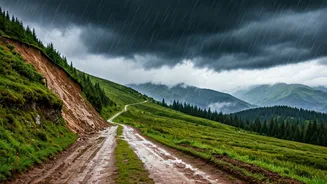
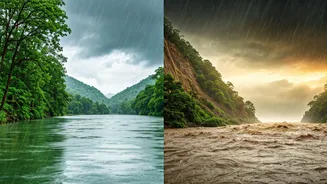
The first step to a successful monsoon trip is picking the right spot. While the rains bring stunning beauty, some regions become hazardous. Hilly areas in states like Uttarakhand, Himachal Pradesh, and Sikkim can be prone to landslides and road blockages,
potentially leaving you stranded. [3, 28, 31] Similarly, some coastal areas may experience dangerously high tides and reduced beach access. [29] Instead, consider destinations that are beautiful and generally safer during the monsoon, such as the backwaters of Kerala, the plateau of Mahabaleshwar, or the historic cities of Rajasthan. [28, 30] Before booking, always check the weather forecast and local advisories for your chosen destination and the routes leading to it. [3, 5, 26]
Pack Smart, Not Heavy
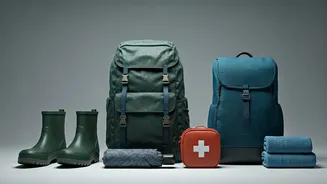
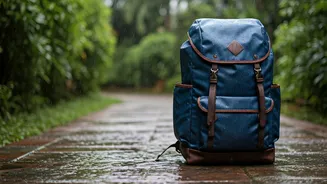
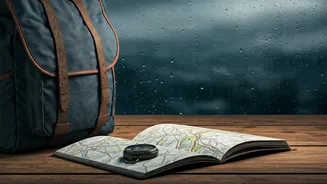
Your packing list is your first line of defence against monsoon troubles. Prioritise function over fashion. Opt for lightweight, synthetic clothes that dry quickly, as cotton and other natural fabrics take a long time to dry in the humid weather. [8, 12] Essential rain gear includes a sturdy raincoat or poncho and a reliable umbrella. [6] Waterproof footwear with a good grip is non-negotiable for navigating slippery streets and muddy paths. [8] Protect your belongings with a waterproof backpack or a rain cover. [6, 17] Use zip-lock bags or dry bags to shield your electronics, documents, and wallet from moisture. [6, 8]
Prioritise Health and Hygiene
The rainy season sees a spike in waterborne and mosquito-borne diseases. Be vigilant about what you eat and drink. Avoid street food, especially pre-cut fruits and raw items, as they can be exposed to contaminants. [3, 11] Stick to freshly prepared, hot meals from clean, reputable establishments. [5] Drink only bottled, boiled, or purified water to avoid stomach infections. [11, 23, 25] Carry a basic first-aid kit with essentials like antiseptic liquid, bandages, pain relievers, and medication for diarrhoea or allergies. [6, 8, 12] Mosquito repellent is a must to protect against diseases like dengue and malaria. [5, 6] Also, change out of wet clothes as soon as possible to prevent fungal infections. [5]
Navigate Roads with Caution
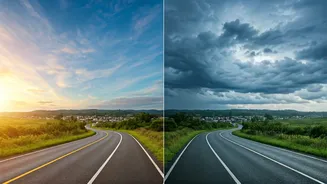
Driving during the monsoon requires extra care. Roads can be slippery, and visibility is often poor. Reduce your speed significantly, especially on wet surfaces, and maintain a much longer following distance than you would in dry conditions. [4, 19] Using your low-beam headlights during the day can help other drivers see you. [4, 7] Before you start your trip, ensure your car's tyres have adequate tread, the brakes are in good condition, and the windscreen wipers are working effectively. [18, 19] Avoid driving through waterlogged areas if possible, as it's hard to judge the water's depth and there could be hidden potholes or debris. [5, 7] If you encounter a stalled engine in a flooded area, do not try to restart it, as this can cause severe damage. [4]
Protect Your Gadgets
High humidity is the enemy of electronics, even without direct rain exposure. Moisture can seep into devices, causing corrosion, short circuits, and long-term damage. [13, 21] Use waterproof cases for your phone and other small gadgets. [8] For larger items like laptops and cameras, store them in airtight bags with silica gel packets, which absorb excess moisture. [20, 21] When not in use, avoid leaving electronics on the floor or against damp walls. [15] During thunderstorms, it's wise to unplug devices to protect them from power surges caused by lightning. [20]