








Moving Beyond 'Leave No Trace'
For years, the gold standard for responsible tourism was 'leave no trace,' a concept focused on minimising our environmental footprint. While crucial, this idea only covers part of our impact. Respectful travel today demands a broader social and cultural
consciousness. It requires us to remember we are guests in someone else's home, and our presence has a real effect. This means going beyond just not littering; it’s about ensuring our visit benefits the community economically, respects its customs, and doesn’t contribute to problems like overtourism, which can strain local infrastructure and displace residents. The goal is to create a positive exchange, not just a transaction. Recent travel trends show that a new generation of travellers is increasingly looking to prioritise the wellbeing of local communities, making this conversation more relevant than ever.
How to 'Ask' Without Interrogating
So how does one 'ask' what a community wants shared? It’s less about literally questioning people on the street and more about proactive research and observation. Before you go, educate yourself on the local history, customs, and social norms. Learn a few basic phrases in the local language; simple greetings like 'hello' and 'thank you' show respect and can open doors to richer interactions. 'Asking' is also done through your choices. Observe how locals behave and dress, especially when visiting religious or sacred sites. This mindful approach helps bridge cultural gaps and prevents you from inadvertently causing offence. True respect is shown through humility, curiosity, and a genuine willingness to learn and adapt.
Putting Your Money Where the Home Is
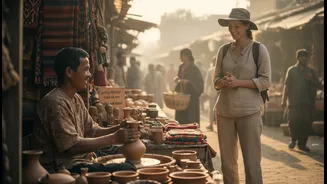
One of the most powerful ways to listen to a community is to follow the money. Your spending choices can either support the local population or flow out to international corporations. Make a conscious effort to support locally-owned businesses. This includes everything from dining at family-run restaurants and shopping at neighbourhood markets to staying in locally-managed guesthouses or homestays instead of large chains. When booking tours, seek out those led by local guides who can offer an authentic perspective while ensuring your money directly benefits the people who live there. These choices help preserve cultural heritage and prevent the homogenization that can happen when tourism is not managed by the community itself. Successful community-based tourism projects around the world, from Maasai-owned conservancies in Kenya to weaving co-ops in Peru, demonstrate how this model empowers communities and creates more meaningful experiences for travellers.
The Ethics of the 'Gram
In the age of social media, sharing our travels is second nature, but it comes with its own set of responsibilities. What a community wants shared extends to its image. Before taking photos or videos, especially of people, it's paramount to ask for permission. Some cultural ceremonies or sacred sites may be off-limits to photography altogether. Furthermore, consider the impact of your posts. Geotagging a 'hidden gem' can quickly lead to it being overrun, potentially damaging the environment and disrupting the local community. Be mindful of what you share and how you share it. Avoid posting sensitive information like your real-time location, boarding passes, or hotel room numbers, which can compromise your own security. A thoughtful approach is to wait until you’ve left a particular spot, or even until you're home, before posting your photos.