




The Comfort of the Crowd-Pleaser
Every great restaurant has one: the dish that built its reputation. It could be a perfectly creamy dal makhani, a biryani that regulars swear by, or a butter chicken that has been passed down through generations. These permanent crowd-pleasers are the foundation
of a restaurant's success. They are reliable, consistent, and offer a sense of security to both the diner and the business owner. They promise a known satisfaction and are often the reason we return. This reliability is crucial. It builds a loyal customer base and ensures a steady stream of revenue. However, by their very nature, these dishes are static. They are designed to be replicated perfectly, day in and day out, which, while a skill in itself, doesn't always showcase a kitchen's full potential.
The Seasonal Dish as a Creative Statement
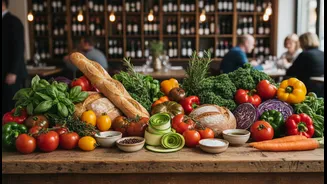
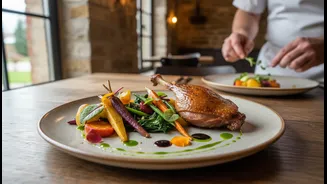
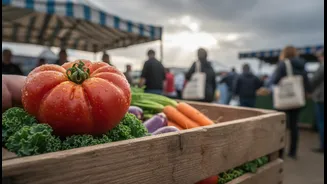
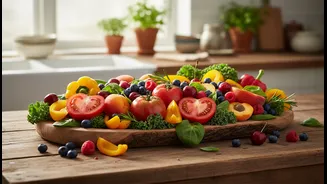
A seasonal dish, on the other hand, is a conversation. It’s a chef’s response to the present moment, guided by the best produce the local environment has to offer. In India, where every few weeks brings a new bounty—from the first Alphonso mangoes of summer to the winter harvest of fresh green chickpeas (hara chanaa)—a seasonal menu is a vibrant expression of time and place. Creating a dish around what is fresh and fleeting requires adaptability, innovation, and a deep understanding of ingredients. It challenges chefs to move beyond rote execution and engage in a creative process, experimenting with new flavour pairings and techniques. This is where their true talent shines, turning a simple, peak-season ingredient into something memorable.
A Window into a Chef's Mind
When a chef commits to a seasonal menu, they are making a statement about their culinary philosophy. It shows they are not content to rest on their laurels. Instead, they are actively engaged, constantly learning, and pushing their own boundaries. A menu that changes with the seasons demonstrates agility and a commitment to quality. It proves the kitchen team is passionate and inspired, preventing the creative burnout that can come from a static menu. A special featuring hyper-local ingredients like jamun or bamboo shoots tells you the chef is connected to their community and its food narratives, sourcing from local farmers and suppliers. This commitment to freshness means the ingredients themselves are at their peak in flavour, colour, and nutritional value, which translates directly to a better-tasting dish on your plate.
What It Says About the Restaurant's Ethos
A focus on seasonality often points to a restaurant's broader values. It suggests a commitment to sustainability by reducing food miles and supporting the local economy. Restaurants that prioritise seasonal ingredients are often more mindful of their supply chain and work to minimise food waste by using what is abundant. This philosophy—building a menu around what is naturally available rather than forcing ingredients to travel long distances out of season—reflects a deeper respect for food and the environment. It signals that the establishment values quality over convenience and is willing to put in the extra work required to source the best ingredients. For diners, this translates into a more authentic and higher-quality experience.
How to Read the Menu Differently
The next time you’re handed a menu, take a moment to look past the familiar favourites. Scan for the specials or the section dedicated to seasonal offerings. Ask your server what’s fresh and what the chef is excited about right now. Choosing a seasonal dish is an act of trust, but it’s one that often pays off handsomely. It’s an invitation to experience the chef's current inspiration and taste ingredients at their absolute best. While the signature dish tells you about the restaurant’s history and its crowd-pleasing appeal, the seasonal special tells you about its present vitality and its future direction. It reveals a kitchen that is alive, curious, and deeply connected to the world around it.