

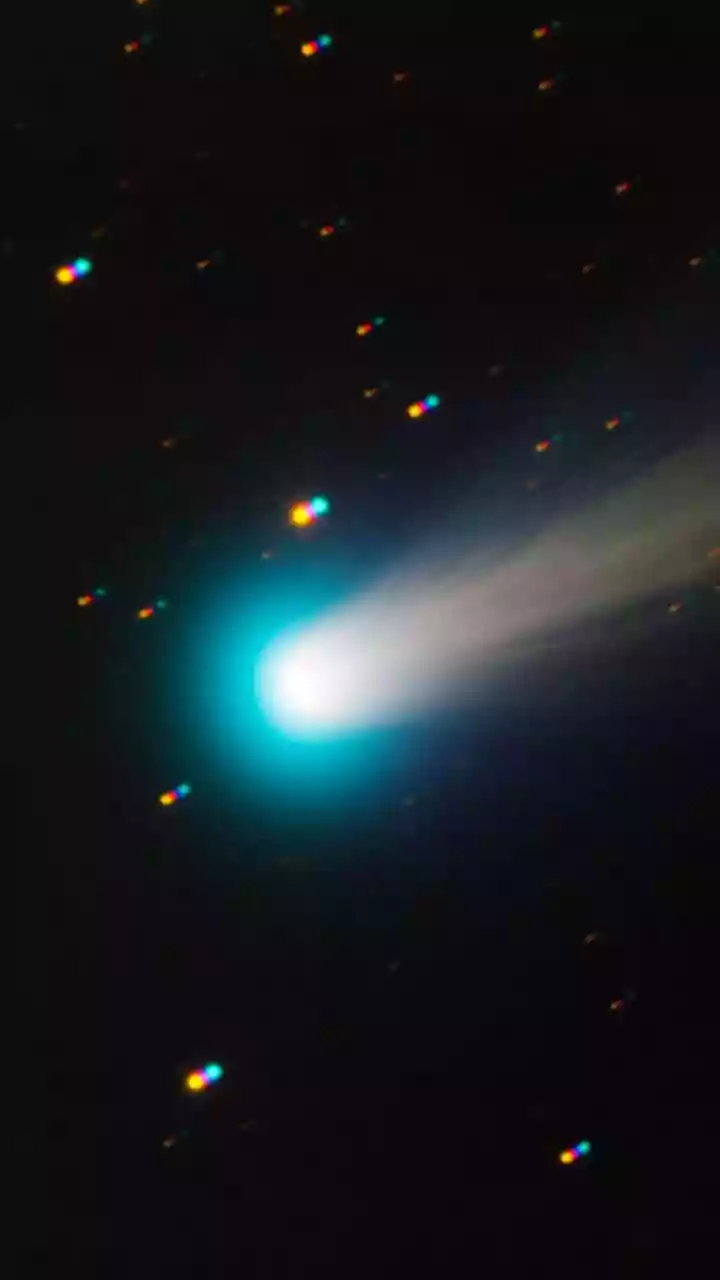



A Comet's Fiery Legacy
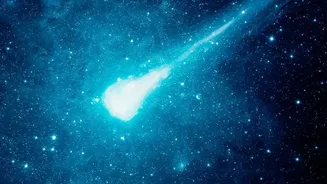
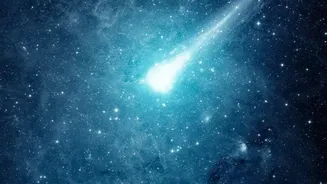
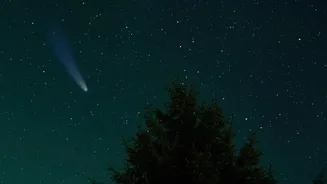
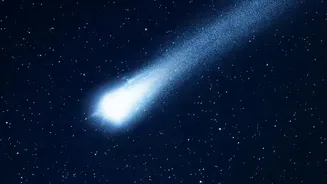
The Orionid meteor shower is one of two annual events caused by Earth intersecting the orbit of Comet 1P/Halley. As this iconic comet travels through the solar system on its 76-year journey, the sun's heat causes it to shed a trail of ice and rock. When
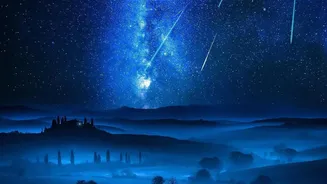
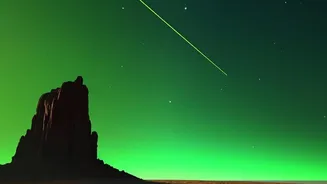
Earth passes through this debris field, these tiny particles, many no bigger than a grain of sand, enter our atmosphere at incredible speeds and burn up, creating the streaks of light we call meteors. Earth crosses Halley's path twice a year, resulting in the Eta Aquariid shower in May and the Orionids in October. So, when you watch the Orionids, you are seeing the remnants of a comet that has been observed for millennia and will not return to our skies until 2061.
When and Where to Watch in 2026
The Orionid meteor shower is active from early October to early November. For 2026, the peak activity, when the most meteors are expected, will occur on the night of October 21-22. The best time to watch is in the hours before dawn, after midnight. This year, viewing will be affected by a bright waxing gibbous moon, which will be present for much of the night. However, the moon is expected to set around 3 a.m. local time, opening up a window of dark skies until dawn. This pre-dawn period will be your prime opportunity to spot the meteors. Viewers can expect to see around 15 to 20 meteors per hour under ideal dark-sky conditions, though some years have seen higher rates.
How to Get the Best View
You don’t need any special equipment like a telescope or binoculars to enjoy the Orionids; in fact, their wide field of view can make it harder to spot the quick streaks. The most important factor is to find a location away from city and street lights. Light pollution can drastically reduce the number of visible meteors. Find a comfortable spot, perhaps with a blanket or lawn chair, and lie on your back to take in as much of the sky as possible. Allow your eyes at least 20 to 30 minutes to fully adjust to the darkness. The meteors will appear to originate from their radiant point in the constellation Orion, but they can streak across any part of the sky. For longer, more dramatic meteor trails, try looking about 45 degrees away from the radiant.
What Makes Orionids Special
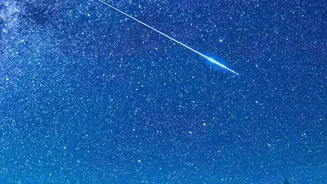
Orionid meteors are renowned for their speed and brightness. They enter Earth’s atmosphere at a blistering 66 kilometres per second (about 148,000 mph). This incredible speed means they can leave behind glowing trails, or “persistent trains,” which are incandescent trails of debris that can linger in the sky for several seconds after the meteor has vanished. These fast meteors are also more likely to produce fireballs, which are exceptionally bright meteors that can light up the entire sky for a moment. The shower is also beautifully framed by the bright stars of the late autumn sky, including the constellation Orion itself, making it one of the most aesthetically pleasing showers of the year.