


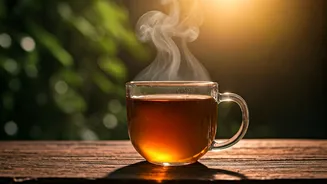


A Potion of Comfort
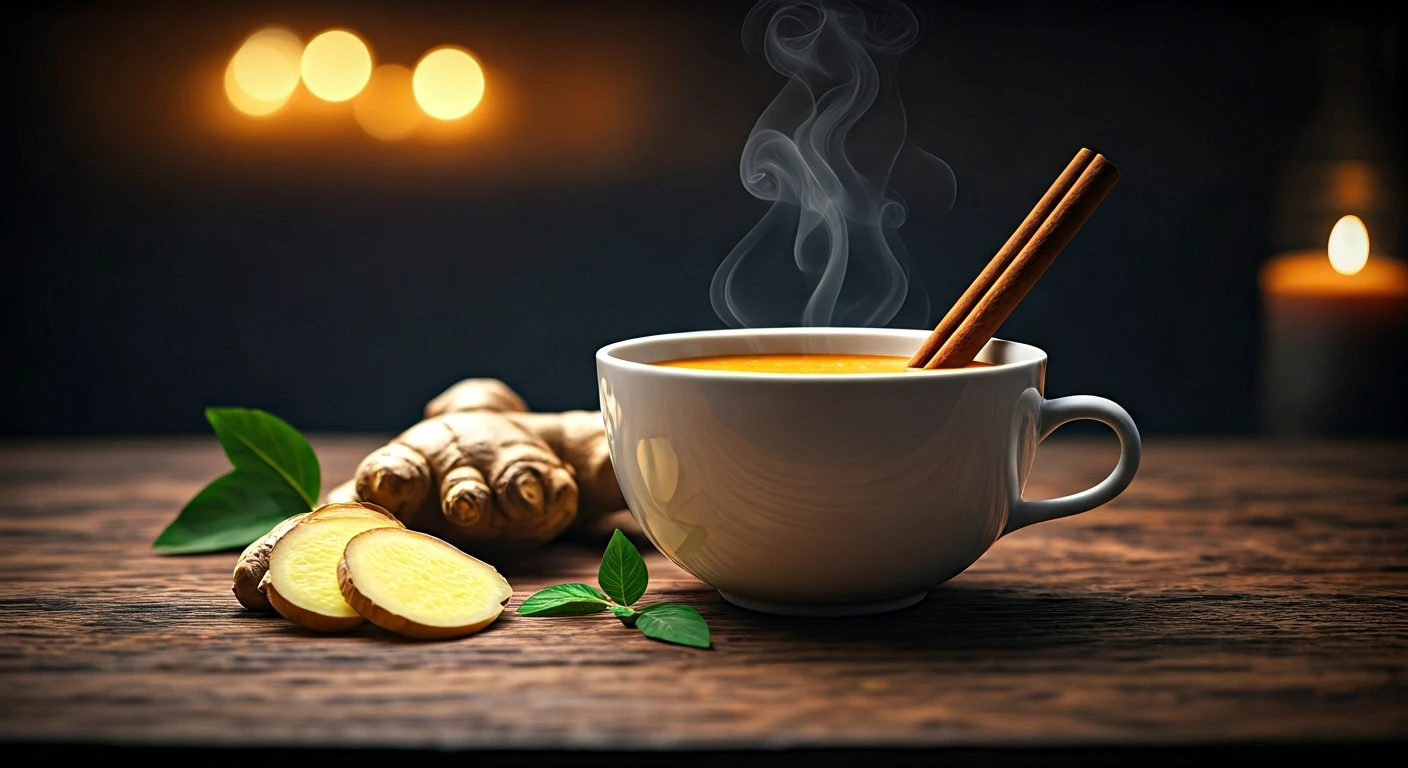
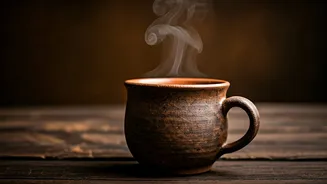
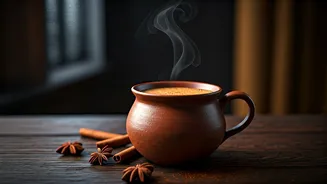
For millions in India, kadha is more than just a home remedy for the common cold or flu. It's a hug in a mug, a ritual steeped in tradition and care. This humble herbal decoction, simmered to perfection on countless stovetops, represents a direct line
to the wisdom of our grandmothers. Each family has its own unique version—a little more black pepper here, a stick of cinnamon there—a liquid heirloom passed down through generations. It’s the first line of defence when the weather turns and the first offering of comfort when a loved one feels unwell. Its enduring appeal lies not just in its perceived health benefits, but in its deep-rooted cultural significance as an act of love.
The Wisdom of Ingredients
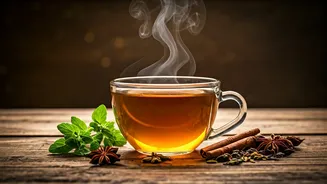
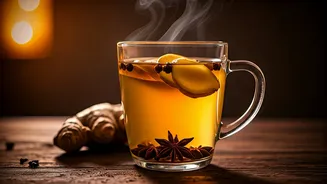
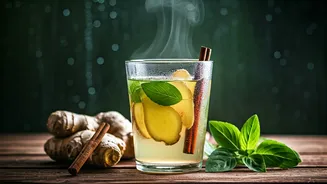
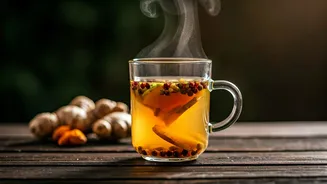
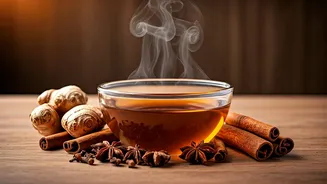
At its heart, kadha is a masterclass in kitchen alchemy, blending common spices and herbs known in Ayurveda for their wellness properties. Ginger (adrak) is prized for its anti-inflammatory and digestive benefits. Turmeric (haldi), with its active compound curcumin, is a celebrated antioxidant. Holy basil (tulsi) is revered for its ability to support the respiratory system. Black pepper (kali mirch) not only adds a pungent kick but is believed to enhance the absorption of other nutrients, like curcumin. Cloves (laung), cinnamon (dalchini), and cardamom (elaichi) contribute not only to the complex flavour profile but are also traditionally used for their warming and soothing properties. While not a replacement for modern medicine, this potent blend of ingredients works in synergy to provide comfort and support the body’s natural defences, a principle that traditional wisdom has championed for centuries.
A Bridge Between Generations
The recipe for kadha is rarely found in a cookbook. It’s learned by watching, by listening, and by tasting. It’s the voice of a mother or grandmother explaining why you must crush the ginger just so, or why the tulsi leaves should be added last. In this way, the act of preparing kadha becomes a powerful transfer of knowledge and affection. It connects the younger generation, often armed with smartphones and instant solutions, to the patient, time-tested wisdom of their elders. In a rapidly changing world, this simple, steaming cup offers a tangible link to our roots, a reminder of where we come from and the care that has nurtured us.
The Modern-Day Revival
While kadha has always been a household staple, its popularity surged dramatically in recent years. The global focus on immunity and wellness sent people scurrying back to their kitchens, seeking natural ways to bolster their health. Suddenly, #Kadha and #ImmunityBooster were trending on social media. This modern revival wasn't just about nostalgia; it was a pragmatic turn towards accessible, preventive wellness. People began appreciating the power packed into their own spice boxes. The trend also saw the market respond, with pre-packaged kadha mixes and herbal teas becoming widely available. Yet, for most, the true essence of kadha remains in the simple, mindful act of preparing it fresh at home.
Beyond Science, The Psychology of Care
Ultimately, the reason kadha will never go out of style goes beyond the sum of its ingredients. There is a profound psychological comfort in the ritual. The warmth of the steam, the aromatic vapour, and the soothing heat of the liquid itself are deeply calming. More importantly, receiving a cup of kadha is an undeniable symbol of being cared for. It says, “I see you are unwell, and I am here to help you heal.” It is this potent combination of traditional wisdom, the natural properties of its ingredients, and the irreplaceable element of human affection that cements kadha’s place in our hearts and homes, ensuring it remains a timeless classic for generations to come.