








Nature’s Perfect Recipe for Growth
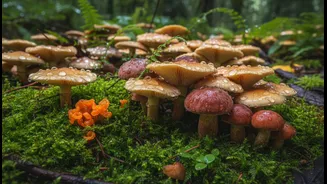
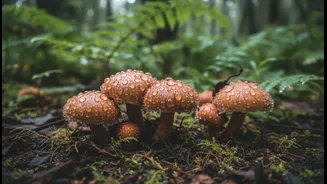
Mushrooms are not plants; they are the fruiting bodies of fungi that live underground in a network called mycelium. This network remains hidden until the conditions are just right for reproduction. The monsoon provides the perfect storm of ingredients.
Fungi need a damp environment to thrive, and the consistent rain saturates the soil and decaying wood they feed on, activating the mycelium. High humidity, often reaching 80-90% during these months, helps the mushroom emerge and grow rapidly. A slight drop in temperature brought on by the rains also signals that it's time to fruit. This combination of moisture, moderate temperature, and abundant organic matter to decompose is what makes mushrooms seem to appear overnight.
A Monsoon Nutritional Powerhouse
Beyond their sudden appearance, mushrooms are a fantastic addition to a monsoon diet because they are packed with nutrients that support the immune system. They are a rich source of B vitamins, which help the body produce energy, and minerals like selenium, a powerful antioxidant that helps prevent cell damage. Many varieties, such as shiitake and maitake, are particularly celebrated for their immune-boosting properties. Mushrooms are also one of the few natural food sources of vitamin D, a nutrient crucial for cell growth and reducing inflammation. With a low-calorie profile and a good amount of fibre and protein, they offer a healthy way to add substance and nutrition to your meals.
The Comfort of Umami
There's a reason why a warm mushroom soup feels so comforting on a rainy day. Mushrooms are natural sources of glutamate, an amino acid that provides the savoury, meaty flavour known as umami. This 'fifth taste' enhances the overall flavour of a dish, making it more satisfying. Umami stimulates saliva and digestive juices, which can even boost appetite. During the often-gloomy monsoon days, a hearty, umami-rich dish can feel particularly nourishing and restorative. The earthy, complex flavour of mushrooms pairs beautifully with warming spices and broths common in monsoon cooking.
India's Seasonal Delicacies
The monsoon brings forth a stunning diversity of wild mushrooms across India, many of which are cherished local delicacies. In Goa, the much-sought-after 'Olmi' or Termitomyces mushrooms grow on termite mounds and are available for only a few weeks. Jharkhand boasts the 'Rugda', a round, fleshy mushroom that grows near Sal trees and is often called 'vegetarian mutton' for its texture. In the Himalayas, you can find Dhingri, or oyster mushrooms, growing on decaying logs. While many common varieties like button, cremini, and shiitake are available year-round, the monsoon is when these unique, foraged mushrooms make their brief but celebrated appearance in local markets and kitchens.
A Crucial Note on Safety
The allure of foraging for wild mushrooms is strong, but it comes with significant risks. Many poisonous mushrooms look strikingly similar to edible ones, and misidentification can lead to serious illness or even be fatal. Cooking does not necessarily destroy the toxins in poisonous varieties. It is never safe to eat a wild mushroom unless you are 100% certain of its identity, preferably confirmed by a mycology expert. For this reason, it is always safest to purchase wild mushrooms from trusted vendors at local markets or stick to cultivated varieties from the grocery store. When trying a new type of mushroom, even a known edible one, it's wise to eat only a small amount at first to check for any personal intolerance or allergic reaction.