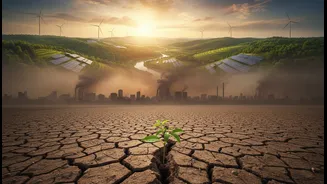



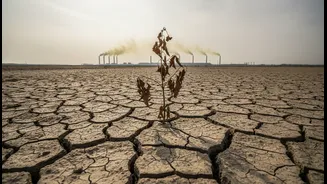


A Nation Facing Overlapping Crises
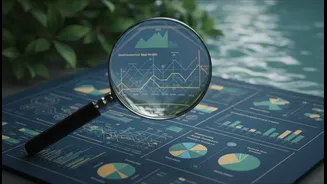
Released by the Centre for Science and Environment (CSE), the annual report offers a comprehensive health check of the nation's environmental status. The 2026 edition highlights several urgent, overlapping crises: severe freshwater stress, dangerously
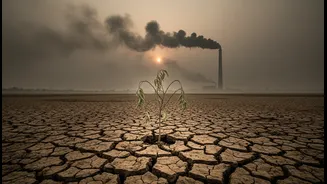
high air pollution, and a sharp increase in extreme weather events. In 2025 alone, India recorded extreme weather on 99% of its days, leading to thousands of deaths and affecting millions of hectares of crops. The report also points to systemic challenges like inadequate waste management, even in top-performing states, and huge gaps in air quality monitoring, leaving 85% of the population outside any measurable zone. These high-level findings are no longer distant threats but direct challenges to our well-being and stability.
Your Health Will Require a Daily Plan
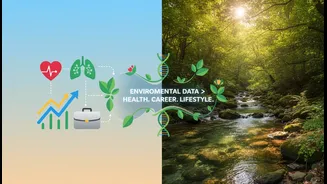
The environmental shifts detailed in the report have direct consequences for our health. With average PM2.5 concentrations in many cities remaining multiple times higher than the World Health Organization's safe limit, respiratory illnesses are a growing concern. This means everyday planning will increasingly involve checking the Air Quality Index (AQI) before planning outdoor activities, especially for children and the elderly. The rise in prolonged and intense heatwaves, another key finding, makes heat-related illnesses a significant danger. Families may need to invest in better home cooling and insulation, and daily routines in the summer months will have to adapt to avoid peak temperatures. The report's emphasis on 'environmental risk' as a key public health concern underscores this new reality.
Brace for an Impact on Your Household Budget
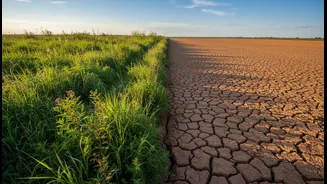
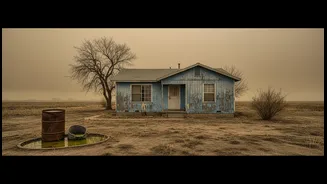
The environmental crisis is also a financial one. Unpredictable monsoons and widespread droughts are affecting agricultural productivity, which can lead to fluctuating and often higher food prices. Worsening water scarcity in many urban areas means households may have to spend more on private water tankers or sophisticated and costly water purifiers, as municipal supplies become less reliable. The report notes that freshwater reserves are severely stressed due to over-extraction and climate change. Furthermore, increased reliance on air conditioning during record-breaking heatwaves translates directly into higher electricity bills. These are not one-off expenses but recurring costs that will need to be factored into monthly household budgets, making green-friendly living not just an ethical choice, but an economic one.
Rethinking Water and Waste at Home
The report's findings on water stress and waste management will necessitate changes inside our homes. With many states struggling to treat sewage and manage solid waste, the responsibility will increasingly fall on individuals and communities to manage resources more carefully. Daily planning might soon involve being more conscious of water consumption, from shorter showers to reusing water where possible. Proper waste segregation at source is no longer just a civic suggestion but a critical need to prevent landfills from overflowing and pollutants from seeping into our soil and water. Even top-performing states like Goa are facing challenges with waste management, indicating this is a nationwide problem that requires a grassroots response. The report makes it clear that our current patterns of consumption and disposal are unsustainable.
Planning for a More Unpredictable Future
Perhaps the most significant change to everyday planning will be preparing for unpredictability. The sharp rise in the frequency and intensity of extreme weather events, from urban floods to severe storms, means that disaster preparedness is becoming essential. This goes beyond simply having an emergency kit. It involves being aware of local vulnerabilities, understanding evacuation routes, and perhaps even investing in better home insurance that covers climate-related damages. The report's core message is that we must shift from reactive responses to proactive, science-based planning. On an individual level, this means staying informed about local environmental risks and building resilience into our long-term plans for our families and homes.