




The Search for Digital Detox
In our hyper-connected world, the constant ping of notifications from work emails, social media, and news apps has led to widespread digital burnout. A city vacation, often spent navigating maps on a phone and posting updates online, can sometimes feel
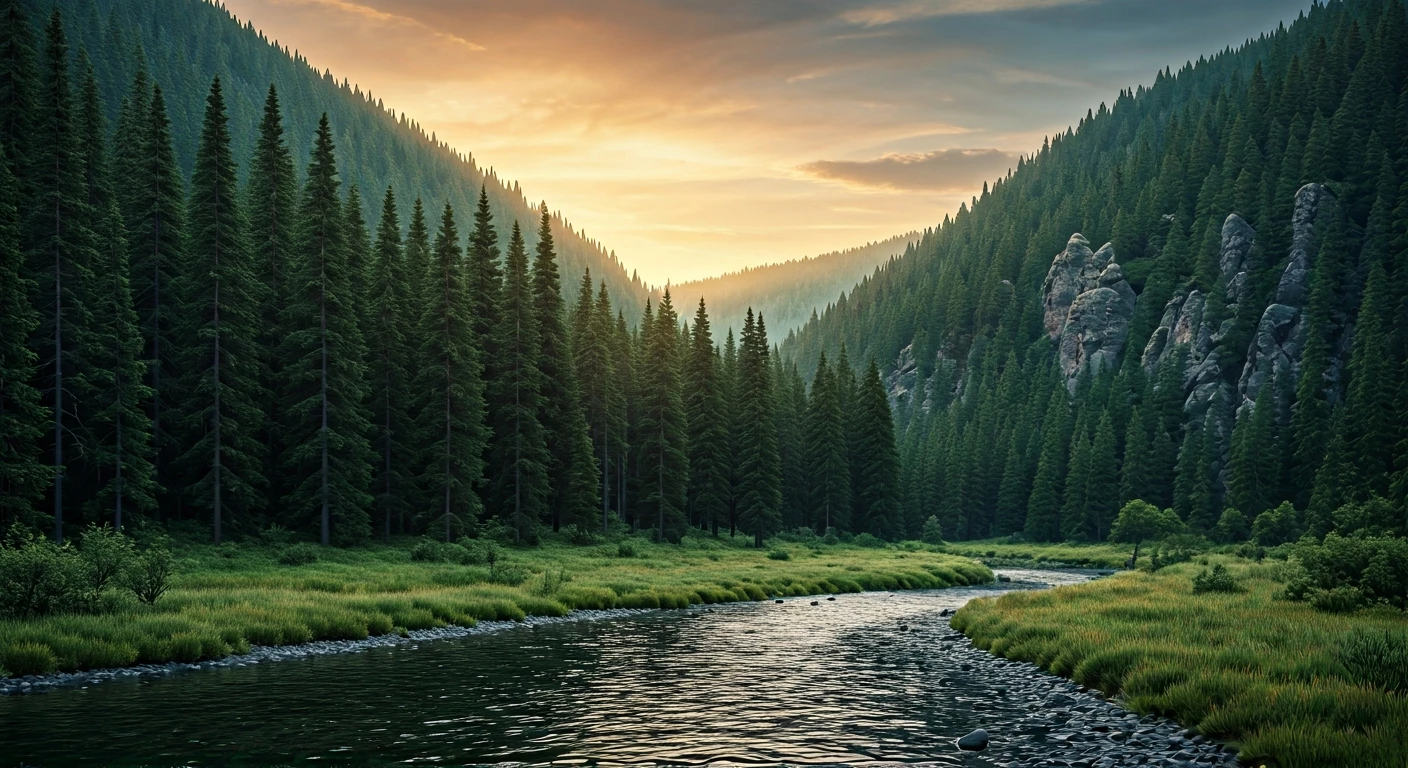
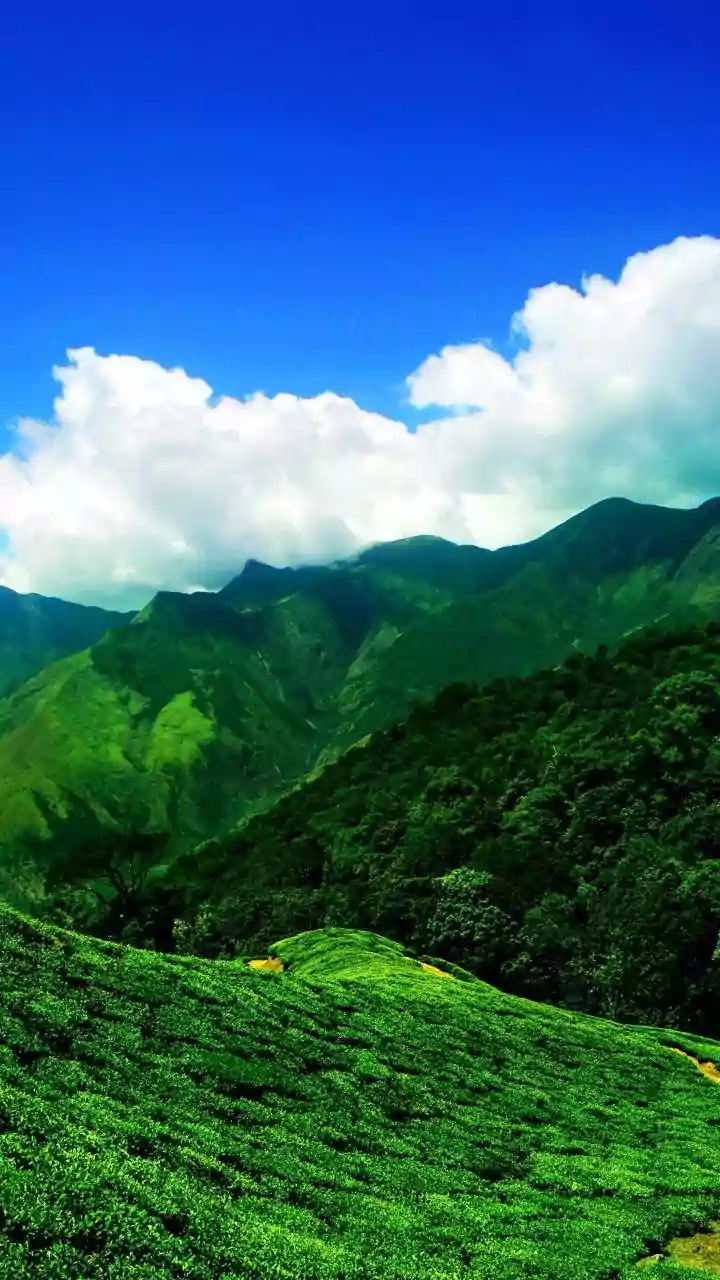
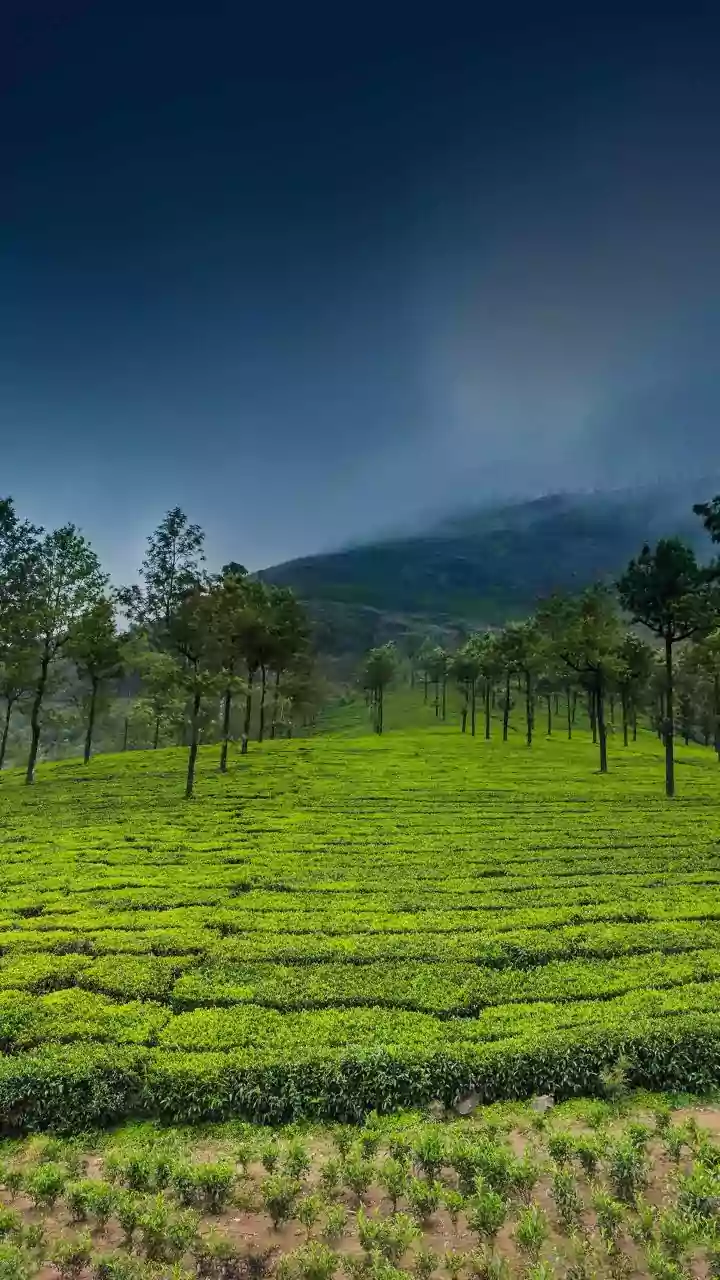
like an extension of this chaos. Nature retreats offer a powerful antidote: a chance to genuinely disconnect. The appeal isn't just the absence of Wi-Fi; it's the opportunity to replace screen time with the simple act of being present—listening to birdsong, feeling the breeze, or watching a sunset without the impulse to capture and post it. This desire for a mental reset is a primary driver pushing travellers away from stimulating urban environments and towards restorative natural ones.
From Sightseeing to 'Being'
Traditional urban tourism often revolves around a checklist of sights: museums, monuments, and famous landmarks. While exciting, this can create a packed, pressure-filled itinerary that leaves you feeling like you need a vacation from your vacation. The new trend leans towards experiential travel, where the goal isn't to 'see' but to 'be'. Instead of rushing from one tourist spot to another, a nature retreat encourages slowing down. Activities are centred around experiences rather than attractions: learning about local flora on a guided walk, trying your hand at organic farming, or simply reading a book in a hammock. This shift reflects a deeper change in what we value, prioritising personal well-being and authentic connection over a list of accomplishments.
The Rise of Wellness and Agritourism
The global wellness movement has found fertile ground in India, and it extends far beyond yoga studios and diet plans. Travellers are actively seeking holidays that contribute to their physical and mental health. Nature retreats are perfectly positioned to cater to this demand, offering everything from meditation sessions and spa treatments using local ingredients to clean, organic food. A parallel trend is the growth of agritourism, where farm stays invite guests to experience rural life. Waking up on a coffee plantation in Coorg or a spice farm in Kerala provides a grounding experience that connects travellers to their food sources and a simpler way of life, something a five-star city hotel cannot replicate.
Accessibility and the Appeal of the Drivable Escape
While international city breaks have their allure, the logistics of flights, visas, and long travel days can be exhausting. The pandemic shifted our focus inward, highlighting the incredible diversity of landscapes within driving distance. Many of the most sought-after nature retreats are just a few hours' drive from major metropolitan hubs like Mumbai, Delhi, and Bengaluru. This makes a weekend escape not only possible but also spontaneous. The ease of packing a bag, jumping in the car, and escaping the city's confines for a couple of days has made these getaways a regular feature in many people's lives, rather than a once-a-year grand event. This convenience factor has been crucial in tipping the scales in favour of local, nature-based travel.
What Do These Retreats Look Like?
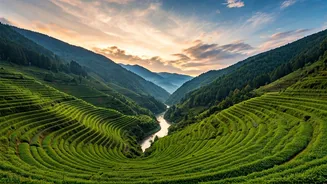
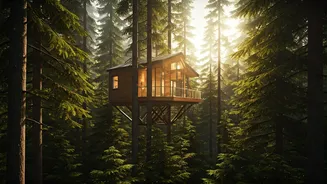
The term 'nature retreat' covers a wide spectrum of options, moving beyond the rustic and basic. You can find luxurious forest lodges with private plunge pools, minimalist glass cabins designed for stargazing, eco-conscious resorts built with sustainable materials, and charming homestays that offer a warm, personal touch. Some are focused on adventure, with trekking and rafting on the agenda. Others are sanctuaries of peace, offering silence and solitude. The common thread is an immersion in the natural environment, providing a stark, refreshing contrast to the concrete, noise, and pace of urban living. They are designed not just as places to stay, but as environments to heal and recharge.