



Embrace the Power of Layering
The single most effective strategy for multi-climate packing is mastering the art of layering. Instead of packing bulky, single-purpose items like a heavy winter coat, think in terms of a three-part system that works together to adapt to any weather.
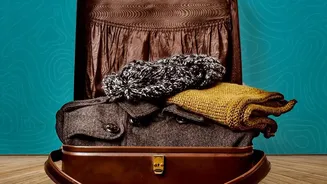
Start with a base layer designed to wick moisture away from your skin; this is crucial for comfort in both hot and cold conditions. Next, add an insulating mid-layer, such as a fleece jacket or a thin down vest, which traps body heat to keep you warm. The final piece is a weather-resistant outer shell—a lightweight, packable jacket that protects you from wind and rain. This system allows you to add or remove pieces as temperatures fluctuate, ensuring you’re always comfortable without dedicating half your suitcase to a single climate.
Fabric Selection is Everything
When space is at a premium, the materials your clothes are made of matter immensely. Prioritise fabrics that are lightweight, quick-drying, and versatile. Merino wool is a travel superstar; it’s breathable in the heat, insulating when it's cold, and naturally resists odours, meaning you can wear it more and wash it less. Modern synthetic fabrics also offer excellent moisture-wicking and quick-drying properties. The one fabric to avoid is cotton. While comfortable, it absorbs moisture and takes a very long time to dry, making it a poor choice for humid environments or as a base layer in the cold, where damp fabric against your skin can be dangerous.
Build a Versatile Capsule Wardrobe
A capsule wardrobe is a small collection of items that can be easily mixed and matched to create a wide variety of outfits. Stick to a neutral colour palette for your main garments—think black, grey, navy, or beige—and add pops of colour with smaller accessories. For a multi-climate trip, this might look like two pairs of versatile trousers (one for hiking, one for evenings), a few base-layer t-shirts and one long-sleeve top, a single mid-layer fleece or sweater, and your outer shell. Tights or thermal leggings can be worn under trousers for an extra layer of warmth in cold passes but take up almost no space in your bag. Every item you pack should be able to be worn with at least two other items.
Choose Multi-Purpose Gear
To truly pack light, seek out items that can perform double duty. A large sarong or pashmina can be a beach cover-up, a scarf for warmth, a towel in a pinch, or even a privacy screen. Convertible hiking pants that zip off into shorts give you options for variable daytime temperatures. The bulkiest items in any bag are often shoes. Wear your heaviest pair, likely your hiking boots, on the plane to save a significant amount of space and weight in your luggage. For your second pair, choose something lightweight that can be dressed up or down, like a pair of comfortable but stylish flats or minimalist sneakers. Unless your trip is exclusively a beach holiday, a single pair of sandals or flip-flops is usually sufficient.
Smart Accessories for Big Impact
Small accessories can make a huge difference in your comfort level without taking up precious luggage space. A warm beanie or wool hat, a pair of lightweight gloves, and a neck gaiter or buff can transform a cool-weather outfit into a genuinely warm one. These items can be easily stuffed into the pockets of the jacket you wear on the plane. For sunny and humid destinations, a packable sun hat and a good pair of sunglasses are non-negotiable. Using packing cubes to compartmentalise your clothing not only keeps your bag organised but also compresses items, helping you fit everything in more efficiently.