



What Did NASA Announce?
In late September 2026, NASA revealed its choice of three new scientific investigations aimed at paving the way for a future lunar outpost. These selections were made through a program called PRISM, which stands for Payloads and Research Investigations
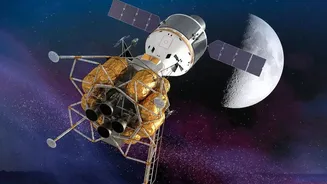
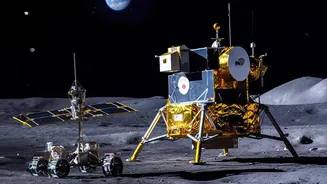
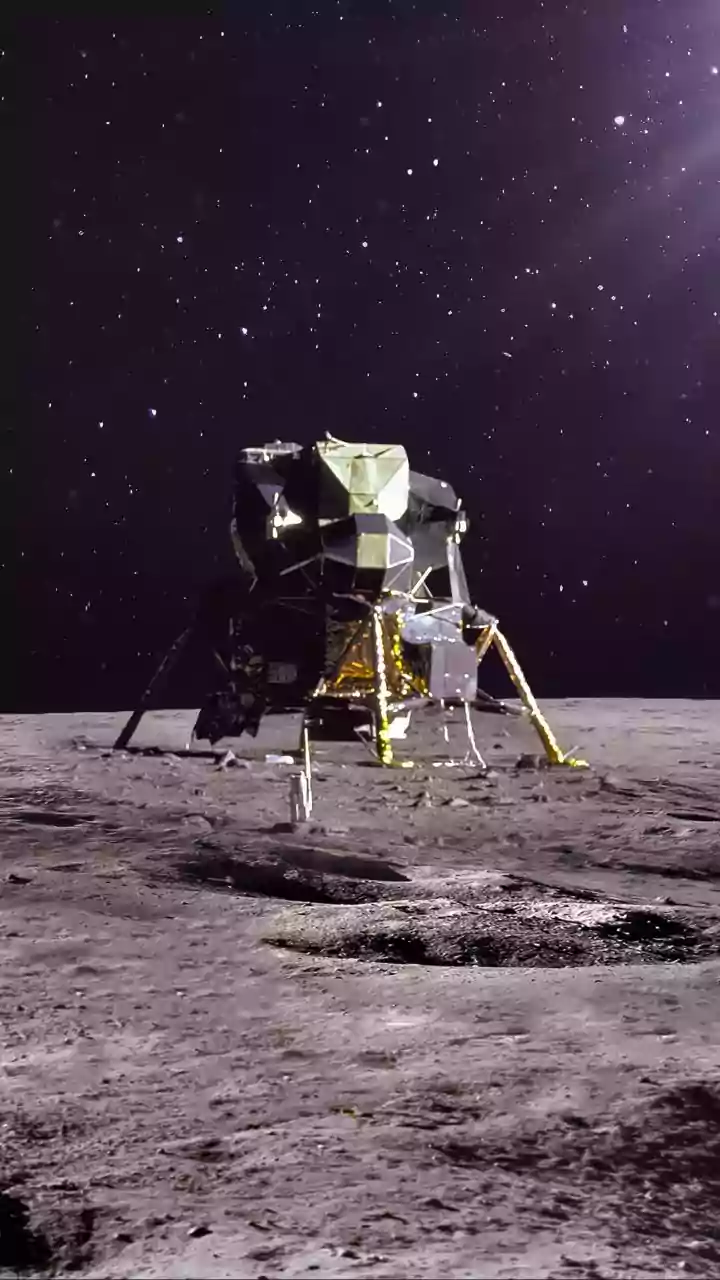
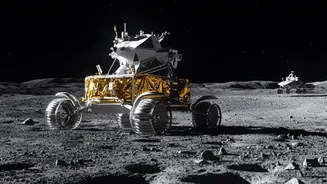
on the Surface of the Moon. The goal is to gather vital information about the lunar environment before astronauts arrive for long-duration stays. The chosen payloads are designed to map resources, identify potential natural shelters, and assess environmental dangers like moonquakes and micrometeoroid impacts. These will travel to the Moon aboard commercial landers as part of the Commercial Lunar Payload Services (CLPS) initiative.
Meet the Chosen Investigations
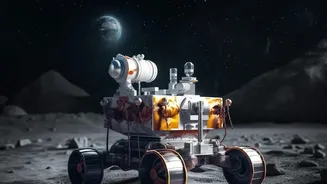
The three selected payload suites each have a specific, crucial job. The first, Lunar Environment Monitoring Station – South Pole (LEMS-SP), will act as a weather and hazard station, monitoring the lunar exosphere, tracking space debris, and listening for seismic activity. The second, Geophysical Instruments for Marius Lunar pit Investigation (GIMLI), will explore a pit on the Moon's surface that could be an entrance to a vast underground lava tube, a potential natural shelter for future astronauts. The third, Depth Imager with Spectral and Color Optics (DISCO), is tasked with finding and directly measuring water ice hidden in ultra-cold, permanently shadowed craters. DISCO will also study how rocket exhaust affects the lunar soil, providing key data for safe landings.
From Selection to Launch: A Long Road Ahead
The headline's distinction is critical: these missions have been selected, not completed. 'Selection' means NASA has formally chosen a proposal and will provide funding for its development. This kicks off a multi-year process known as the mission life cycle. After a proposal is submitted and chosen through a competitive review process, it enters a series of phases. These phases involve refining the concept, creating detailed designs, building and rigorously testing the hardware, and finally, integrating the instrument onto a spacecraft. For these PRISM payloads, launch dates have not yet been set. First, the instrument teams must build their hardware. The LEMS-SP instrument, for example, had its hardware completed in August 2026 after a previous selection. Then, they must be assigned to a specific commercial lander mission through the CLPS program, which has had a mixed record of success so far. This entire journey, from selection to generating science on the Moon, can take many years and involves overcoming significant technical and logistical hurdles.
Why Selection Is Still a Major Milestone
While a long path remains, a mission selection is a transformative moment. It's the point where an idea transitions from a concept on paper to a funded project with a real chance of flying. As Nicky Fox, associate administrator for NASA's Science Mission Directorate, stated, these investigations are building an 'interplanetary survival guide' to ensure science leads the way for astronaut safety and mission success. Each selection represents a significant investment and a vote of confidence from the agency. It brings together teams of scientists and engineers from universities and private institutions to solve some of the most pressing challenges of living on another world. These projects, focused on finding shelter, water, and understanding hazards, form the foundational scientific groundwork for establishing a sustainable human presence on the Moon and, eventually, Mars.