

The End of the Road for Cybertruck?
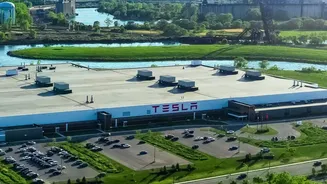
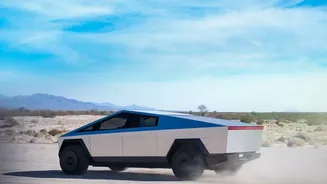
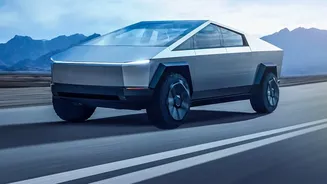
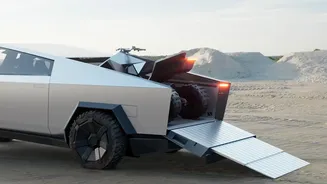
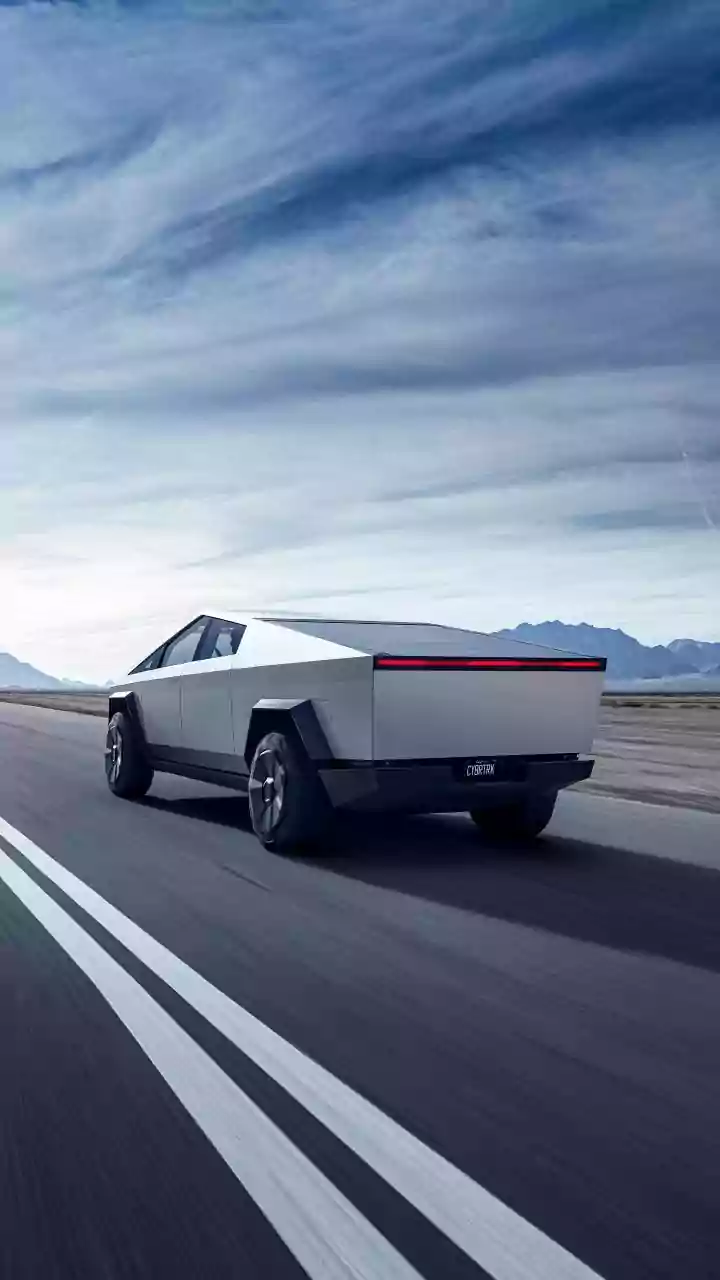
In a move that signals a major strategic shift, Tesla CEO Elon Musk confirmed that production of the Cybertruck will be ramped down at its Texas plant around the middle of 2027. The decision comes after the stainless-steel pickup, unveiled to massive
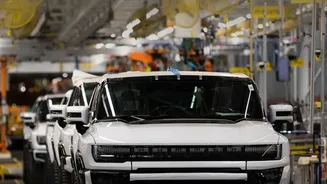
hype in 2019, failed to meet lofty sales expectations. Musk had once predicted annual sales could reach 250,000 to 500,000 units, but actual sales have been a fraction of that. Data from Kelley Blue Book shows U.S. sales fell from just under 39,000 units in 2024 to about 20,000 in 2025. The production line, which is only at the Texas Gigafactory, was built with an annual capacity of over 125,000 vehicles, meaning it has been significantly underutilized.
A Commercial Disappointment
Despite its headline-grabbing design, the Cybertruck struggled to find a mass audience. The final vehicle, which began deliveries in late 2023, was significantly more expensive than the originally promised $39,900 starting price. It has also been plagued by a series of quality issues and recalls for problems with accelerator pedals, exterior body panels, and brake rotors. Analysts have noted that the writing was on the wall for the vehicle, citing its high price and niche appeal. In the third quarter of 2026, Tesla delivered just 8,295 vehicles in its 'Other Models' category, which includes the Cybertruck, a 48% decrease from the previous year.
Enter the Cybercab
The factory space and resources previously dedicated to the Cybertruck will be reallocated to a new priority: the Cybercab. This two-seat, fully autonomous vehicle has no steering wheel or pedals and is the centerpiece of Tesla's long-stated ambition to launch a robotaxi service. Production of the Cybercab began at the Texas factory in February 2026, and Tesla started offering paid rides in a limited service in Austin in September 2026. While some vehicles may be sold to individuals for a price under $30,000, Musk has stated that the 'vast majority' will be owned by Tesla and operated as part of its own ride-hailing network.
A Pivot to an Autonomous Future
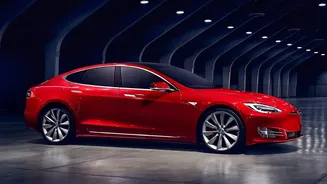
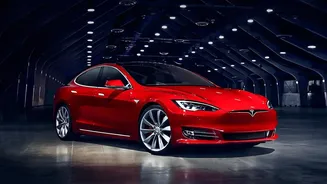
The decision to phase out the Cybertruck is more than just cancelling an underperforming model; it represents a fundamental pivot in Tesla's corporate strategy. The company is shifting its focus from being purely an automaker that sells cars to consumers to becoming a technology, robotics, and mobility company powered by artificial intelligence. The Cybercab is designed for manufacturing efficiency, with fewer parts than a traditional car and a focus on low operating costs, which are crucial for a successful robotaxi fleet. Musk's rationale is that the long term revenue potential of an autonomous transportation network far outweighs the profits from selling a complex, low volume vehicle like the Cybertruck. This move follows a similar decision to end production of the Model S and X to free up factory space for the Optimus humanoid robot.