



The Unique Challenges of Ghat Driving
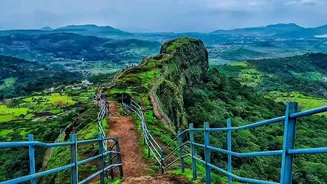
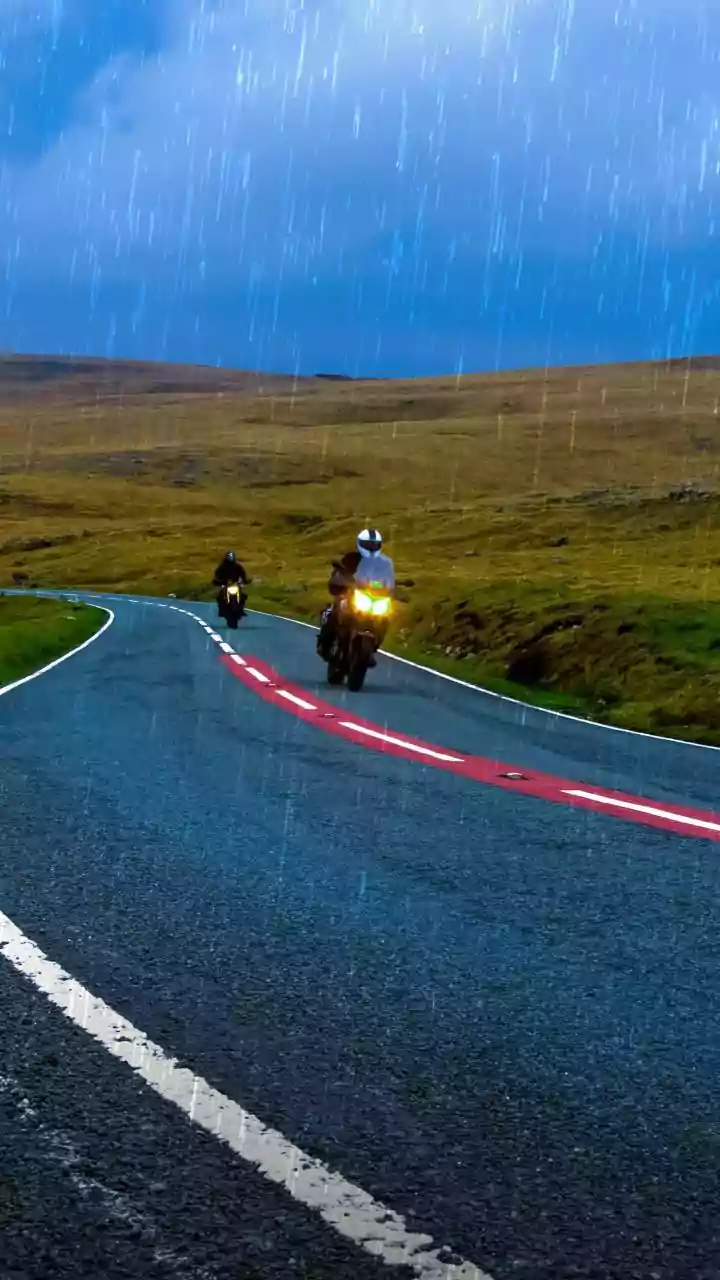
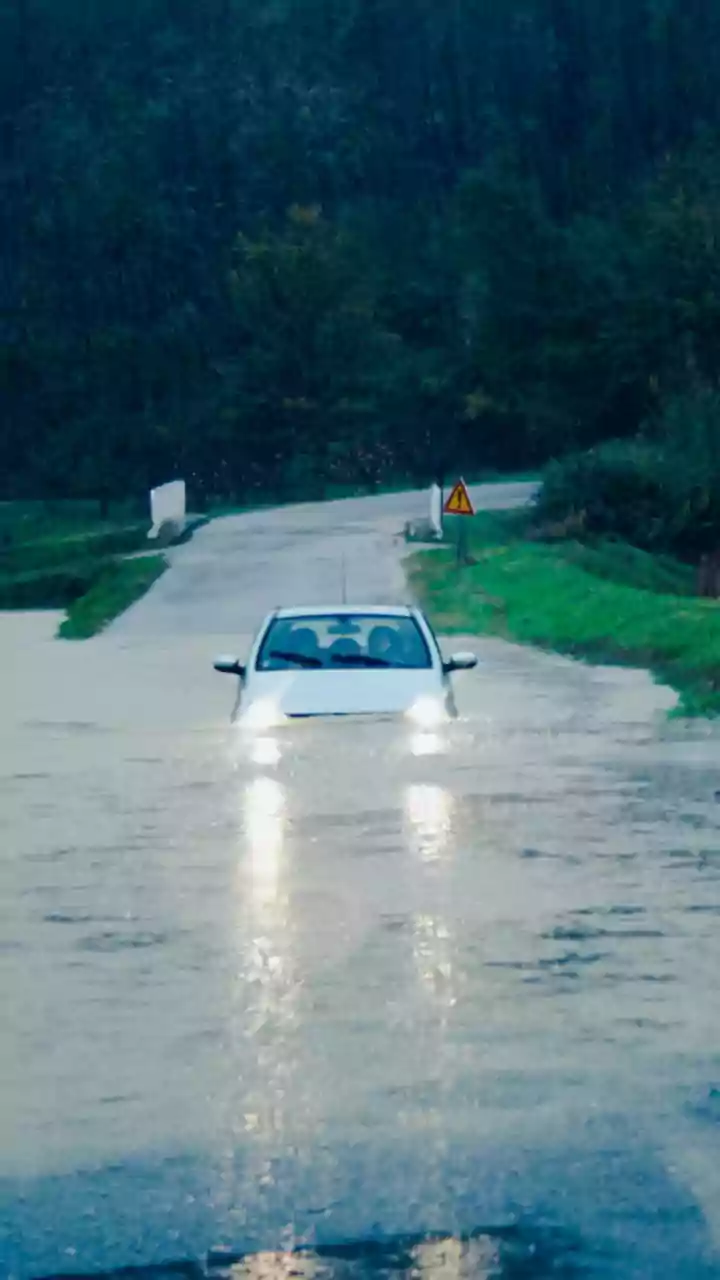
Driving on ghat roads during a rainy night is unlike any other journey. It combines steep inclines, sharp hairpin bends, and the constant threat of poor visibility from heavy downpours and fog. Roads become slick, significantly increasing braking distances.
The darkness conceals potholes, debris, and the true sharpness of a curve until you are right upon it. Moreover, the monsoon season raises the risk of landslides, which can block routes or pose a direct threat to vehicles. Wildlife activity can also be unpredictable at night. These factors combined create a high-stakes environment where a driver's skill and a vehicle's condition are tested to their limits.
Your Pre-Journey Vehicle Health Check
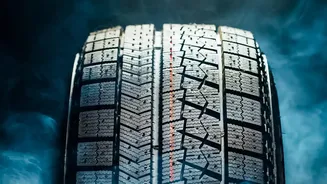
Before you even think about turning the key, a thorough vehicle inspection is non-negotiable. Start with the essentials for monsoon safety. Check your tyres for adequate tread depth; experts recommend at least 3mm for wet roads to prevent skidding and hydroplaning. Ensure your brakes are responsive and not making unusual noises. Your wipers are your first line of defence against blinding rain, so replace them if they leave streaks or judder. All lights—headlights, taillights, brake lights, and especially fog lamps—must be in perfect working order. A weak battery is more likely to fail in damp conditions, so have it tested if it's over three years old. Finally, top up all essential fluids, including windshield washer fluid.
Smart Driving Techniques for Treacherous Roads
Once on the road, your driving style needs to adapt significantly. The golden rule is to reduce your speed. Drive in a lower gear, especially when going downhill, as this allows engine braking to assist your regular brakes and gives you better control. Avoid the temptation to coast in neutral to save fuel; it's incredibly dangerous on inclines. Maintain a much larger gap than usual between your vehicle and the one ahead to account for longer stopping distances on wet surfaces. When approaching a blind curve or hairpin bend, honk to alert any oncoming traffic. Never attempt to overtake on a curve. Be gentle and smooth with your steering, acceleration, and braking to avoid losing traction.
Navigating the Darkness and Downpour
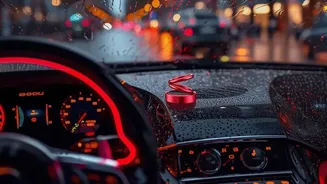
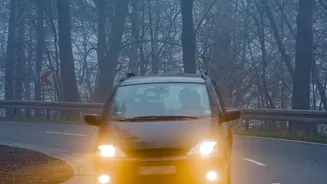
The combination of night and rain severely impacts visibility. Use your headlights correctly; switch to low beams when you see an oncoming vehicle to avoid blinding the other driver. Use fog lamps only during heavy fog or torrential rain, as they can otherwise be distracting to others. Pay close attention to the road for signs of danger, such as trickles of mud that could signal a larger slide, or the reflection of animal eyes at the edge of the road. Listening is also important; turn down your music to hear the honks of other vehicles or unusual sounds like cracking trees or falling rocks, which can be early warnings of a landslide.
Packing an Emergency Kit
Hope for the best but prepare for the worst. Getting stranded on a ghat road at night can be risky, especially with limited mobile network coverage. Your emergency kit should be comprehensive. Include a powerful flashlight with extra batteries, a first-aid kit, and a tow rope. A portable tyre inflator and a puncture repair kit can be lifesavers. Pack a car mobile charger or a fully charged power bank, high-energy snacks, and sufficient water. It's also wise to have a reflective warning triangle to place behind your vehicle if you break down, making you visible to other drivers from a distance.
In Case of an Emergency
If your car breaks down, pull over to a safe spot, preferably one visible from a distance and not on a blind curve. Turn on your hazard lights immediately. If you are caught in a landslide, the safest course of action is generally to stay inside your vehicle. The car's frame offers protection from debris. Curl into a ball, protecting your head and neck with your arms. Do not attempt to exit the vehicle unless it is sinking in mud or water, or if you spot a downed power line nearby. If you must leave the car, try to move to higher ground, away from the slide's path.