



An Equal Playing Field
The main advantage of a blind tasting is that it removes pretension and pressure. When labels, origins, and prices are hidden, guests don't need to worry about having 'correct' opinions or expert knowledge. Whether you have a seasoned tea lover or a complete
novice, everyone is on equal footing. The activity encourages participants to trust their own senses and focus purely on the experience in the cup: the aroma, the flavour, and the texture. This creates a relaxed and inclusive atmosphere where curiosity trumps expertise, making it a perfect icebreaker.
Engaging The Senses
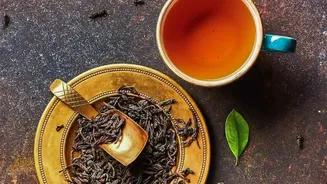
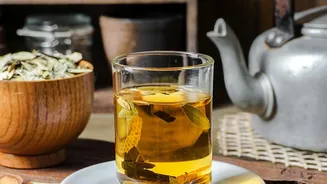
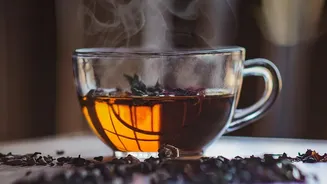
A blind tasting encourages mindfulness by inviting guests to pay closer attention to what they are experiencing. Without the cues from a label, a person is more likely to notice the subtleties of each tea. The process naturally guides them to evaluate the appearance of the dry and wet leaves, the colour and clarity of the brewed liquor, the complex aromas, and finally, the taste and finish. This multi-sensory engagement sparks more interesting and personal conversations than simply asking if someone 'likes' a tea. Guests can share whether they detect floral, malty, smoky, or fruity notes, leading to a fun and collaborative exploration.
What You Will Need
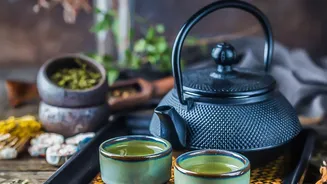
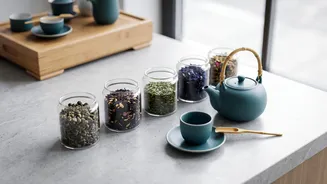
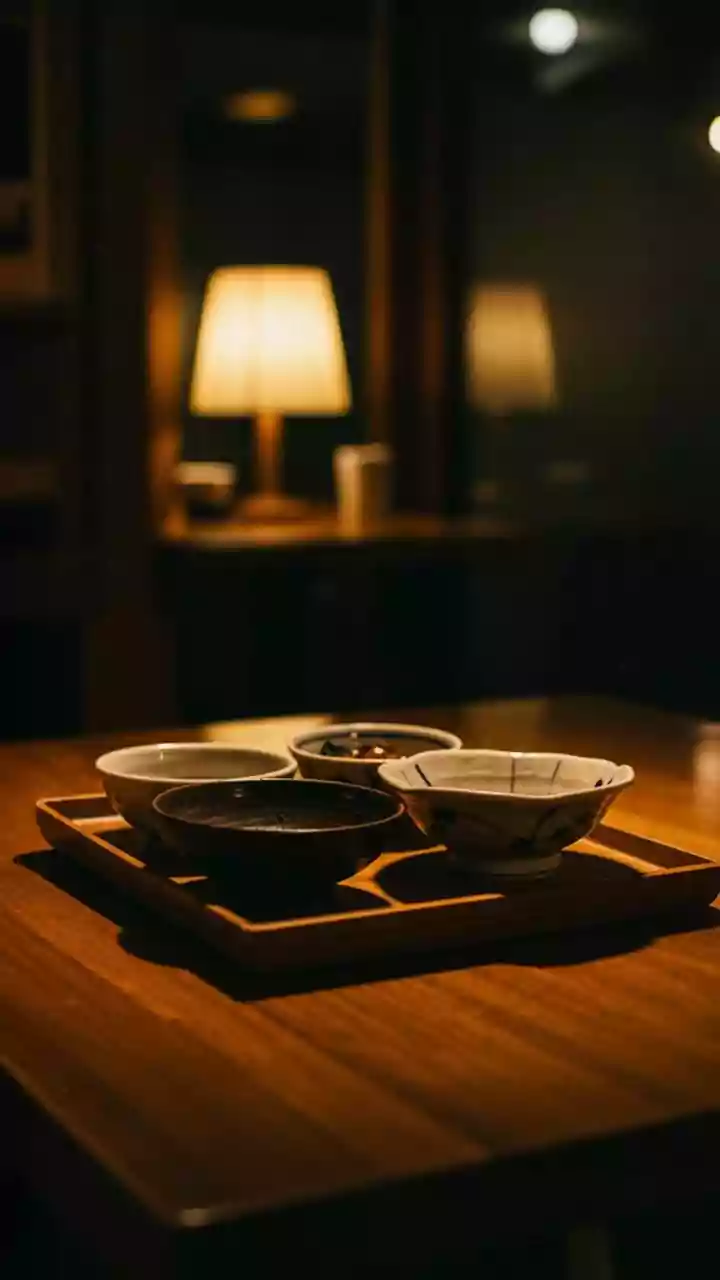
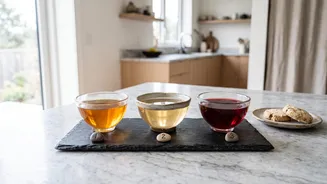
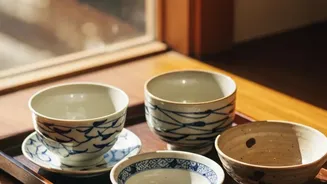
Setting up a blind tasting is surprisingly simple and doesn't require expensive equipment. Here’s a basic checklist: Teas: Select 3-5 different teas. Choose a variety to showcase a range of flavours, such as a white, a green, an oolong, and a black tea. Tasting Cups: Use identical small, white, or clear cups for each guest to ensure a neutral backdrop for observing the tea's colour. Brewing Vessels: You'll need teapots or infusers for each tea to brew them separately. Hot Water: An electric kettle is perfect for controlling water temperature for different tea types. Blind Setup: You'll need a way to hide the identity of the teas. Numbered cards or codes work well. Note-Taking: Provide pens and small cards for guests to jot down their impressions. * Palate Cleansers: Simple, unsalted crackers and water are essential for guests to refresh their palates between tastings.
How to Host the Tasting
First, secretly assign a number or code to each of your selected teas, keeping the key hidden until the end. Brew each tea according to its ideal parameters—water temperature and steeping time matter. It's generally best to serve teas from the lightest to the boldest to avoid overwhelming the palate early on. Arrange the brewed teas with their corresponding numbers. As you serve each one, encourage your guests to follow a simple process: look, smell, and then taste. Professional tasters often use a 'slurp' to aerate the tea and spread it across the tongue, which can reveal more nuanced flavours. Give everyone time to write down their thoughts before opening the floor for discussion.
The Grand Reveal
The most exciting part is the reveal. After everyone has tasted and discussed each tea, you can finally share the identity of each numbered cup. It's always fun to see how perceptions line up with reality. Guests might be surprised to find they enjoyed a type of tea they thought they disliked, or that a very affordable tea was their favourite of the bunch. Emphasize that there are no right or wrong answers; the goal is discovery and enjoyment. The shared surprise and laughter during the reveal can be a wonderful bonding moment, solidifying new friendships and making the gathering truly memorable.