






The Digital Foundation for Growth
The transformation of India's beauty landscape began not with lipstick, but with data. The widespread availability of affordable smartphones and some of the world's cheapest data plans laid the essential groundwork. This digital revolution empowered millions
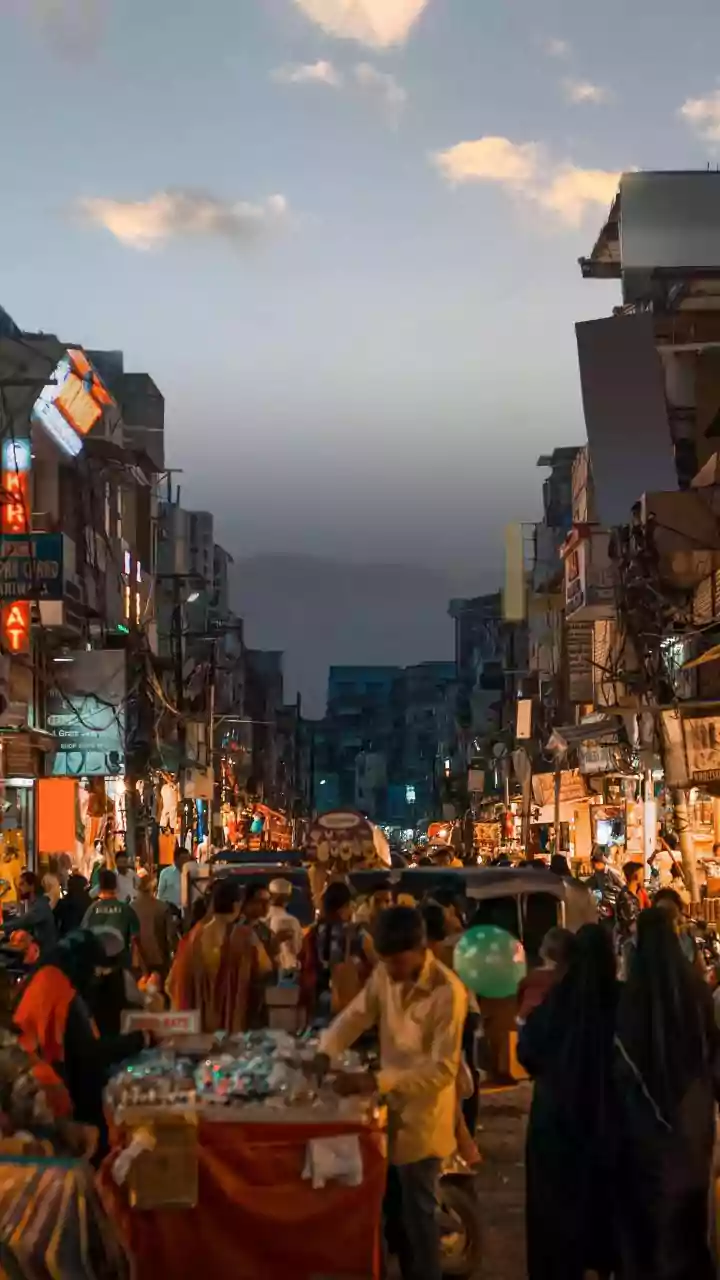
of consumers in non-metro areas, connecting them to a world of trends, products, and information that was previously out of reach. Suddenly, a shopper in Jaipur or Lucknow has the same access to beauty knowledge as someone in Mumbai or Delhi. This democratization of information was the first critical step, turning previously overlooked markets into a powerful consumer base.
E-commerce Platforms Bridge the Gap
With awareness came aspiration, but access remained a challenge. This is where e-commerce giants like Nykaa, Amazon, Myntra, and more recently, Reliance's Tira, stepped in decisively. These platforms built the virtual and physical infrastructure to deliver products to virtually every pin code in the country. They didn't just sell products; they created a new ecosystem for discovery. For many consumers in Tier-2 and Tier-3 cities, these platforms were their first reliable access point for a wide range of national and international brands. Major players have reported that over half of their demand for premium beauty products now comes from these smaller cities, from places like Thrissur, Guwahati, and Patiala. This highlights a structural shift where the bulk of India's e-commerce demand is now driven by non-metro markets.
The Power of Social Proof and Influencers
Digital access alone doesn't create demand. The real catalyst has been social media. Platforms like Instagram and YouTube have become the new beauty magazines, with regional and micro-influencers acting as trusted guides. These content creators, often communicating in local languages, make global trends feel accessible and relevant. They demonstrate product uses, explain complex ingredients, and provide the 'social proof' that consumers in smaller towns value highly. This influencer-driven culture has supercharged demand, educating consumers who are now searching for solutions to specific concerns—like 'glass skin' routines or 'sunscreen for men'—rather than just brand names. This has been a game-changer for brand discovery and building trust remotely.
A New Wave of Brands and Products
The rising demand from smaller cities has also fueled the explosive growth of direct-to-consumer (D2C) brands. These digital-first companies are agile, understand the pulse of the market, and offer innovative products at accessible price points. They excel at building direct relationships with customers, bypassing traditional retail markups. Alongside this, there's a growing trend of 'premiumisation on a budget'. Consumers in Tier-2 and Tier-3 cities are aspirational; they want quality, science-backed formulations, and clean ingredients but remain value-conscious. This has created a sweet spot for 'masstige' (mass prestige) products and has even prompted luxury brands like M.A.C, Sephora, and Forest Essentials to open physical stores in cities such as Indore, Chandigarh, and Lucknow.
What This Means for the Future
The surge in demand from Tier-2 and Tier-3 cities is more than just a sales trend; it signifies a fundamental maturation of the Indian consumer market. Companies are realizing that a one-size-fits-all metro strategy is no longer viable. Success now requires a deeper understanding of regional preferences, localised marketing, and robust supply chain management that can handle scattered demand. Even men's grooming is seeing a significant uptick, with the premium segment growing rapidly as men in smaller cities adopt more comprehensive routines. Brands that invest in building trust and ensuring consistent availability in these markets are poised to win the next phase of India's beauty boom.