







The Familiar Pain of Disruption
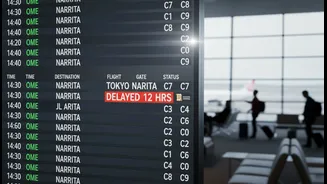
For any regular flyer in India, the experience of a delayed or cancelled flight is all too common. According to DGCA data, in peak travel months, more than one in seven flights can be delayed. While India has a robust Passenger Charter that outlines rights
for compensation, meals, and accommodation, these rules primarily address the passenger's immediate inconvenience. For passengers, a delay means missed meetings and personal events; for airlines, it means paying for meals, hotels, and compensation up to ₹20,000 per passenger for certain delays. These protections are crucial, but they represent the tail end of the problem. Focusing only on compensation is like discussing the cost of a hospital bill without examining how to prevent the illness in the first place. The true story is shifting from a reactive cycle of passenger payouts to a proactive revolution in managing the chaos itself.
The Staggering Cost of Inefficiency
Flight disruptions cost the global airline industry an estimated $60 billion annually, which can be as much as 8% of a carrier's total revenue. These are not just the costs of compensating passengers. They include burning extra fuel, paying crew overtime, incurring additional airport fees, and the immense operational challenge of re-routing aircraft and staff. A single delayed plane can trigger a domino effect, causing cascading failures across an airline's network. This immense financial and operational pressure has created a powerful incentive for airlines to move beyond simply managing passenger anger. Instead, they are looking for ways to predict, mitigate, and even prevent disruptions before they happen. This is where the real opportunity begins, transforming disruption management from a cost centre into a driver of innovation.
The New Gold: Disruption Data
Every disruption generates a massive amount of data: weather patterns, air traffic congestion, technical snags, crew schedules, and passenger connection details. For years, this data was largely used reactively. Today, airlines and a new ecosystem of aviation tech startups are harnessing it proactively. Using artificial intelligence (AI) and machine learning, companies can now analyse vast datasets to predict the likelihood of a delay with startling accuracy. These predictive models can identify which flights are at high risk hours or even days in advance by recognizing subtle patterns that are invisible to human planners. This allows airlines to make pre-emptive changes, such as adjusting schedules, rerouting aircraft, or swapping planes to prevent a small problem from escalating into a network-wide meltdown.
Innovation Takes Flight
This data-driven approach has catalysed a new market for specialised technology solutions. Indian aviation tech startups like Infiniti are developing software specifically for disruption management, alongside global players. These platforms offer a range of services. Predictive maintenance tools analyze sensor data from aircraft to forecast when a part might fail, allowing for repairs before it causes a last-minute cancellation. Sophisticated crew management software ensures that pilots and cabin crew are in the right place at the right time, preventing delays caused by staffing issues. Furthermore, AI-powered systems can now automate the complex process of rebooking thousands of passengers, offering them personalised alternatives via their mobile phones, and even arranging hotels and transport automatically. Airlines using these technologies have reported significant improvements, including reductions in operational disruptions and unscheduled maintenance events.
A More Resilient Aviation Ecosystem
The benefits extend beyond individual airlines. As this technology becomes more integrated, the entire aviation ecosystem stands to become more efficient and resilient. Airports can use predictive analytics to better manage passenger flow at check-in and security, reducing bottlenecks. Air traffic control can optimise flight paths in real-time to avoid congestion and adverse weather. Ultimately, this shift means fewer delays, less frustration for travellers, and a more sustainable operating model for airlines. While robust passenger rights remain a non-negotiable pillar of consumer protection, the true transformation lies in using technology to solve the root cause of the problem. By turning disruption data into actionable intelligence, the industry is not just compensating for failure but engineering a more reliable future for air travel.