


More Than Just a Meal
In trendy cafes across urban India, a new morning ritual is taking shape. Young professionals and students are not just ordering coffee; they're pairing it with plates of poha, idli-sambar, and masala dosa. This isn't just about food; it's a cultural
statement. After years of embracing Western breakfast options like cereals and pancakes, a distinct movement towards local, time-tested recipes is gaining momentum. This return to tradition is not driven by nostalgia alone but by a modern re-evaluation of what makes a good start to the day. For many, it's a deliberate choice, reflecting a deeper connection to their identity.
The Wellness Connection
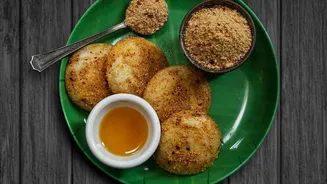
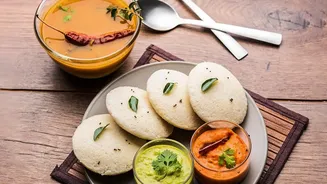
One of the most significant drivers of this trend is the growing focus on health and wellness. Young Indians are increasingly conscious of what they eat, and traditional breakfasts are being recognised for their superior nutritional profiles. Dishes like idli, which are steamed and fermented, are light on the stomach and good for gut health. Poha, made with flattened rice and packed with vegetables and peanuts, offers a balanced mix of carbohydrates, protein, and fibre. Unlike many processed Western cereals that can cause sugar spikes, traditional Indian breakfasts provide sustained energy. They are often made with fresh, whole ingredients and spices like turmeric and ginger, which have their own health benefits, making them a naturally 'clean' choice.
A Taste of Authenticity
In a globalised world, the search for authenticity is a powerful force. For many young diners, eating traditional food is a way to connect with their heritage. This movement is partly a reaction against the homogenisation of food culture and a desire to preserve and celebrate regional culinary diversity. A plate of steaming hot appam or a perfectly crisp vada is more than just breakfast; it's a taste of home, a story, and a link to family traditions. This quest for authentic experiences is leading young people to not only appreciate these dishes but also to learn the family recipes themselves, ensuring they are passed on.
Styled for the Social Feed
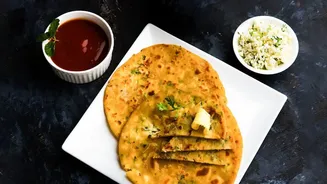
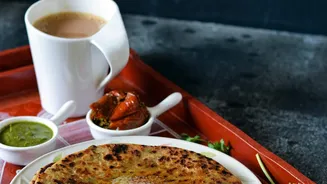
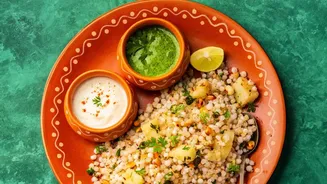
While the recipes are old, their presentation is often brand new. Social media has played a huge role in making traditional food cool again. Food bloggers and influencers are showcasing classic dishes in visually appealing ways, transforming a simple dosa or a bowl of upma into an Instagram-worthy shot. Trendy cafes are also getting creative, serving traditional breakfasts with a modern twist or plating them with contemporary aesthetics. This digital makeover has been crucial in capturing the attention of Gen Z, who use social media to discover new food trends. A viral reel of a buttery dosa or a colourful plate of idli can send droves of young customers to a previously unknown eatery.