







Why a Simple Shelter Matters
Community cats, or strays, are resilient, but they are vulnerable to India's extreme weather. The scorching summer sun offers no relief on open streets, the heavy monsoon rains can lead to illness, and winter nights can be dangerously cold. A simple,
well-placed shelter provides a crucial refuge where they can rest, stay dry, and feel secure. It's a small act of compassion that can significantly improve their quality of life, reducing stress and protecting them from the elements. This isn't about domesticating them; it's about providing a basic necessity that we can easily offer.
Finding the Perfect Location
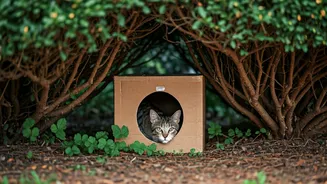
Before you build, location is everything. The best shelter is useless if it's in a dangerous spot. Look for a quiet, low-traffic area. Ideal places include a secluded corner of your garden, under a covered porch or 'chajja', or next to a building where the cat is less likely to be disturbed. Ensure the spot is elevated or drains well to avoid flooding during rains. Keep it away from areas where stray dogs congregate or where there's heavy footfall. The goal is to make the cat feel safe, not exposed. If possible, observe where the cats in your neighbourhood already tend to rest and try to place the shelter nearby.
Gather Your Materials
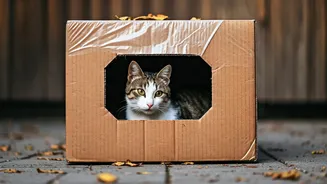
You don't need to be an expert builder or spend a lot of money. Most of what you need is likely already at home. * **A sturdy cardboard box:** A medium-sized carton from a delivery or an old appliance works well. It should be large enough for a cat to turn around in, but small enough to retain body heat. * **A heavy-duty plastic garbage bag:** This is for weatherproofing. * **Duct tape or strong packing tape:** To seal seams and secure the plastic. * **A box cutter or strong pair of scissors:** For cutting the entrance. * **Insulation/Bedding:** Straw is ideal as it resists moisture. Dry leaves also work. Avoid blankets or towels unless the shelter is 100% protected from rain, as they absorb water and can make the cat colder.
Build Guide Part 1: The Basic Structure
First, assemble your cardboard box and use your tape to seal all the seams and flaps securely. This adds strength and helps keep out drafts. Next, decide where to put the entrance. It should be on one of the shorter sides. Using your box cutter, carefully cut a circular or square opening about 5-6 inches wide. This is big enough for a cat but small enough to deter larger animals and keep heat inside. Don't place the entrance in the centre; positioning it to the side helps protect from wind and rain. For added safety, consider cutting a smaller, second opening on another side as an escape route.
Build Guide Part 2: Weatherproofing
This step is crucial, especially for the monsoon season. Take your large plastic garbage bag and pull it over the entire cardboard box, like a slipcover. Make sure it's snug. Use your tape to secure the plastic all around the box, paying special attention to the corners and seams. Carefully cut a slit in the plastic where the entrance is and fold the edges inside, taping them down to create a clean, waterproof opening. For extra protection, place the finished shelter on a couple of bricks or a wooden plank to lift it off the ground, preventing water from seeping in from below.
Build Guide Part 3: Making It Cosy
Now for the final touch. Fill the bottom of the shelter with a generous layer of straw. It’s an excellent insulator that allows cats to burrow in and stay warm, and it doesn't retain moisture like fabric. If you're using old towels or blankets, ensure the shelter is in a location completely shielded from rain, and check the bedding regularly to ensure it stays dry. A damp bed can be more harmful than no bed at all. Once the bedding is in, your shelter is ready. Place it in the safe location you identified earlier.
Beyond the Build: Community Cat Care
Building a shelter is a fantastic first step. To be a responsible community caregiver, also provide a bowl of fresh, clean water daily, especially during hot weather. Place it near the shelter, but not inside, to avoid spills. When it comes to food, it's kind to offer it, but do so at a regular time and remove any uneaten food after an hour to avoid attracting pests. Remember, these are community animals, not pets. Respect their space and don't force interaction. The most impactful long-term solution for stray populations is Trap-Neuter-Return (TNR), which humanely controls their numbers. Consider reaching out to local animal welfare NGOs to learn more about TNR programmes in your area.