






Why Humidity Wrecks Your Workout
The main reason humid workouts feel so draining comes down to one simple process: sweating. Your body’s primary cooling mechanism is the evaporation of sweat from your skin. This process pulls heat away from you, helping to regulate your core temperature.
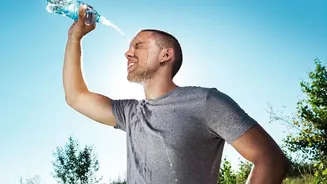
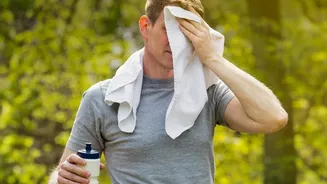
However, when the air is already saturated with moisture—as it is in high humidity—your sweat can't evaporate efficiently. Instead of vanishing into the air, it just pools on your skin, dripping off without providing much cooling effect. This forces your body to work overtime to prevent overheating. Your heart has to pump more blood to the skin's surface in an attempt to release heat, which puts extra strain on your cardiovascular system. This increased workload makes your heart rate climb faster and your perceived effort skyrocket, making you feel tired much sooner than you would in drier conditions.
The Sneaky Risks of Humid Air
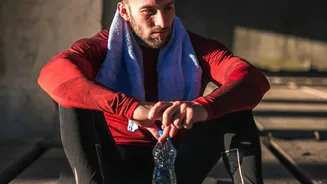
Working out in humid weather, even at mild temperatures, isn't just about feeling more tired; it also carries real health risks. The inefficient cooling process means your core body temperature can rise more quickly, putting you at greater risk for heat-related illnesses like heat exhaustion. Symptoms of heat exhaustion can include heavy sweating, dizziness, nausea, headache, weakness, and a rapid pulse. If left unaddressed, it can progress to heatstroke, which is a life-threatening emergency. Furthermore, because your body is sweating profusely without getting the cooling benefit, you can become dehydrated much faster. Dehydration thickens your blood, making your heart work even harder to circulate it. Losing even a small percentage of your body weight in fluids can significantly impair your performance and cognitive function.
How to Adjust Your Workout Routine
You don’t have to completely abandon your fitness goals when the humidity climbs. The key is to work out smarter, not harder. First, consider the timing of your exercise. Head out in the early morning or later in the evening when temperatures and humidity levels are typically at their lowest. If you must exercise midday, consider moving your workout indoors to a climate-controlled environment like a gym. You should also reduce the intensity and duration of your outdoor workouts until your body acclimates, which can take up to two weeks. Listen to your body and don’t be afraid to slow your pace or cut your session short if you start to feel unwell. Finally, your choice of clothing matters. Opt for lightweight, loose-fitting, and light-colored apparel made from moisture-wicking fabrics. These materials are designed to pull sweat away from your skin, which can help with any minimal evaporation that does occur.
Hydration is Your Best Defence
Proper hydration is non-negotiable when exercising in humid conditions. You need to be proactive, as thirst is often a late indicator that you're already becoming dehydrated. Start hydrating well before your workout begins, drinking about 500-600 ml of water two to three hours beforehand. During your workout, aim to drink around 200-300 ml every 15 to 20 minutes to replenish the fluids you're losing. For workouts lasting longer than an hour, plain water may not be enough. You're also losing essential electrolytes like sodium and potassium through sweat. In these cases, a sports drink or an electrolyte tablet dissolved in water can help restore that balance. Coconut water is a natural option rich in potassium, though it may be lower in sodium than commercial sports drinks. After your workout, continue to drink fluids to ensure you're fully rehydrated.