

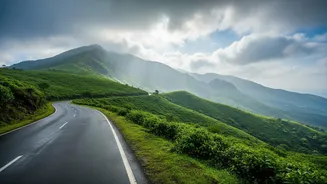
Your Pre-Journey Vehicle Health Check
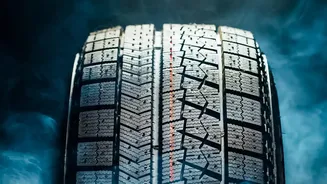
Before you even think of hitting the road, a thorough vehicle inspection is non-negotiable. Your tyres are your only contact with the slippery tarmac, so ensure they have adequate tread depth—at least 3mm is advisable for wet conditions. Check the tyre pressure,
including the spare. Next, inspect your brakes; they are critical on steep descents. Your wipers must be in top condition to handle torrential rain; replace them if they leave streaks. Finally, test all your lights: headlights (low and high beam), taillights, brake lights, and fog lamps. A car that isn’t in peak condition has no business being on a ghat road during a monsoon night.
Mastering Visibility: See and Be Seen
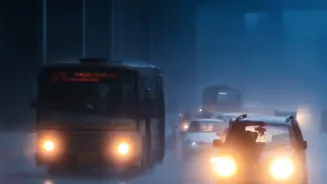
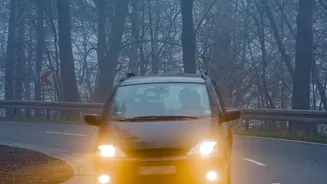
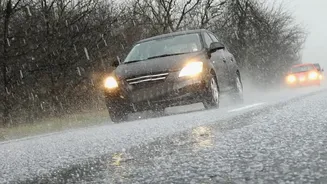
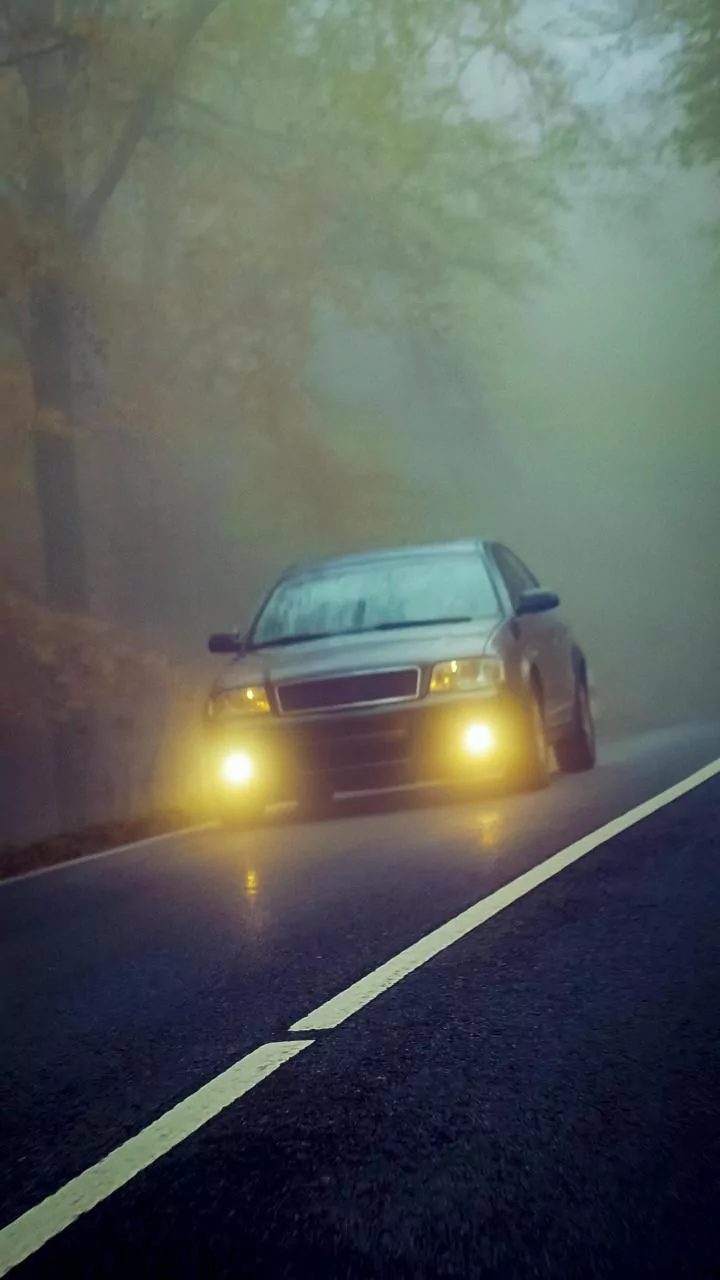
Poor visibility is your biggest enemy. During the day, and especially at night, always drive with your low-beam headlights on in the rain. This isn't just for you to see, but for others to see you. Avoid using high beams in heavy rain or fog, as the light will reflect off the water droplets, creating a wall of glare that worsens your vision. If you need to pull over, find a safe spot away from the road and turn on your hazard lights to alert other drivers. Keep your windshields, windows, and mirrors clean, and use the car’s defogger to prevent the cabin from fogging up.
The Golden Rule: Slow Down and Maintain Distance
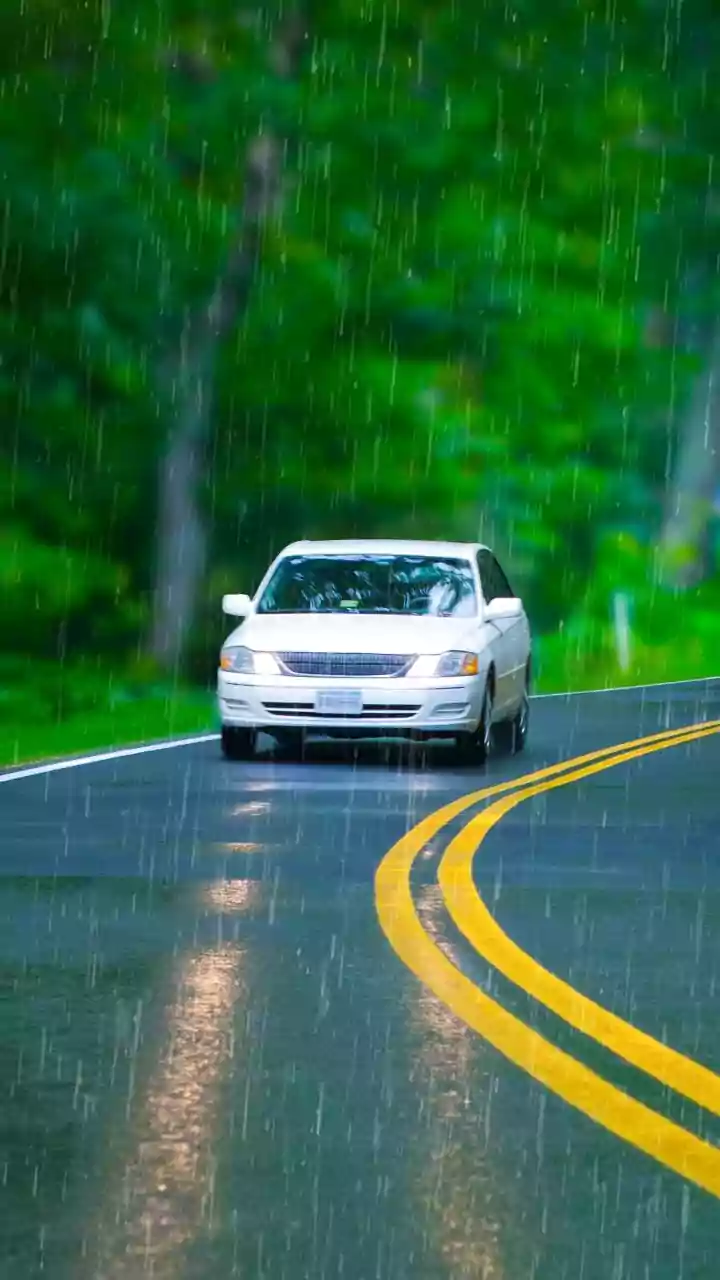
This may sound obvious, but it's the most violated rule. Braking distances can double on wet roads. Reduce your speed significantly, especially on curves and while descending. Driving slowly gives you more time to react to unexpected hazards like potholes hidden under puddles or sudden debris. Maintain a larger-than-usual gap between your vehicle and the one in front—a minimum of a three-second gap is recommended, but more is better in treacherous conditions. This buffer zone is your best defence against a potential collision if the vehicle ahead brakes suddenly.
Navigating Ghats: Gears, Bends, and Uphill Traffic
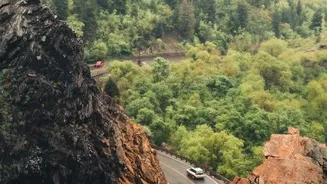
Ghat driving requires a different technique. When descending steep slopes, use a lower gear (engine braking) to control your speed instead of riding the brakes. This prevents your brakes from overheating and failing. A good rule of thumb is to use the same gear to go down a hill that you would use to climb it. When approaching blind curves and hairpin bends, honk to announce your presence. Always remember the cardinal rule of hill driving: give way to traffic going uphill. The vehicle climbing has a harder time stopping and restarting, so they have the right of way.
Dealing with Landslides and Waterlogging
Monsoon ghat routes are prone to landslides and waterlogging. Stay updated on weather alerts and road conditions before and during your trip. Be vigilant for signs of fresh mud, rockfalls, or streams of water flowing across the road. If you encounter a waterlogged patch, assess its depth before proceeding. If the water is deeper than the halfway point of your wheels, it's safer to find an alternate route. Driving through deep water can stall your engine or cause you to lose control. If you do get stuck, never try to restart a stalled engine in water, as this can cause permanent damage.
The Overnight Driver’s Biggest Foe: Fatigue
Driving at night, especially between midnight and 6 a.m., significantly increases the risk of accidents due to driver fatigue. If you feel drowsy, don't try to push through. Pull over at a safe, well-lit place and take a short nap. Having a caffeinated beverage can help temporarily, but it's not a substitute for rest. Avoid driving alone at night if possible; a co-passenger can help you stay alert and share the driving duties. Plan your journey to include regular breaks every two hours.
Your Monsoon Emergency Kit
Being stranded on a deserted ghat road at night is a dangerous situation. A well-stocked emergency kit can be a lifesaver. Your kit should include a powerful torch with spare batteries, a reflective warning triangle, and a high-visibility vest. Pack a portable tyre inflator, a puncture repair kit, and jumper cables. A tow rope is also a good idea. For personal comfort and safety, carry a first-aid kit, essential medicines, high-energy snacks like nuts and chikki, and plenty of drinking water. A fully charged power bank for your phone is absolutely essential for communication.