






Why Smart Planning Is The New Spontaneity
We all love the idea of a spontaneous trip, but the reality of arriving at a serene hill station only to find it overrun with festival crowds, or planning a beach escape during a cyclonic storm, is far from relaxing. True spontaneity is about freedom,
and nothing frees you up to enjoy your break more than avoiding preventable hassles. A little strategic foresight, looking beyond just booking flights and hotels, is the key to unlocking a genuinely stress-free getaway. By taking a few minutes to check regional festival dates and weather patterns, you’re not killing the fun; you’re ensuring it. Think of it as an investment that pays off in smooth travels, pleasant surprises, and the peace of mind that lets you truly switch off and recharge.
Aligning Your Trip With The Festive Calendar
India’s cultural calendar is a vibrant, year-round tapestry of festivals, and this can be both a blessing and a curse for the weekend traveller. A major festival can mean closed roads, sold-out hotels, and overwhelming crowds. For example, planning a quiet trip to Maharashtra in early September without checking for Ganesh Chaturthi could be a logistical nightmare. Conversely, the calendar offers incredible opportunities. Instead of accidentally stumbling into a crowded city, you could intentionally plan a trip around a unique cultural event. Imagine visiting Rajasthan in mid-November to witness the world-famous Pushkar Camel Fair, scheduled from November 17th to 24th in 2026. [5, 7, 13] Or, for a truly immersive cultural experience, a trip to Nagaland for the Hornbill Festival, which runs from December 1st to 10th, showcases the heritage of all the Naga tribes. [3, 4, 6] The trick is to be deliberate: either steer clear of major festival dates for a quieter trip or dive in for a memorable, once-in-a-lifetime experience.
Mastering The Weather Wildcard
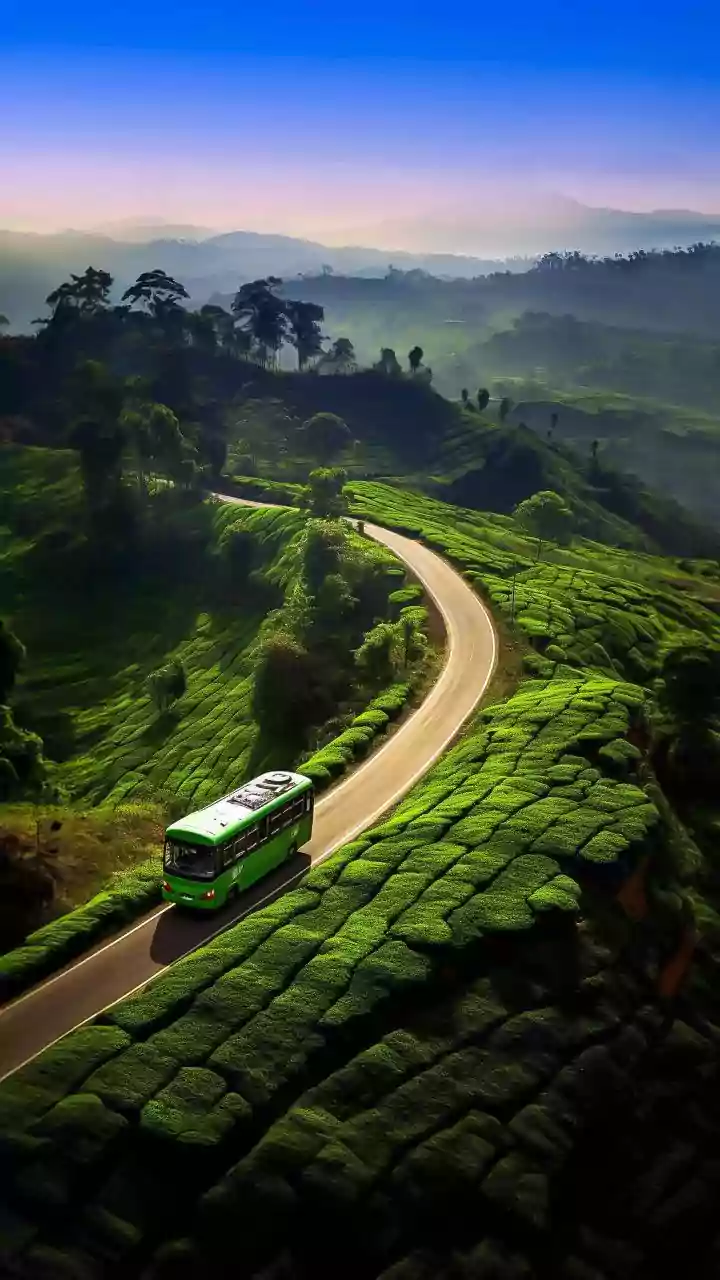
India’s weather is famously diverse and dramatic. A glorious sunny day in one region can coincide with a torrential downpour just a few states away. The monsoon season (roughly June to September) is a prime example. While it can be a risky time for trekking in the Himalayas due to landslides, it’s the perfect season to witness the Western Ghats in their full glory. [16] A road trip from Mumbai to Lonavala or Bangalore to Coorg during this time reveals misty hills, gushing waterfalls, and a lushness you won’t find in the dry season. [17] Similarly, the searing heat of the northern plains in May makes it an ideal time to escape to cooler hill stations like Shimla or Manali. [31] Winter (October to March) is generally pleasant for visiting places like Rajasthan or Goa, but can be bitterly cold in the mountains. [26, 31] Ignoring the weather forecast is a gamble. A quick check can help you pack appropriately, avoid dangerous conditions, and choose a destination that is at its best when you visit.
Your Digital Planning Toolkit
Thankfully, you don’t need to be a meteorologist or a cultural expert to plan effectively. A wealth of digital tools is at your fingertips. For weather, government apps like Mausam from the India Meteorological Department (IMD) provide reliable forecasts and official warnings for rain, heatwaves, and storms. [19, 22] Private apps like Skymet are also popular for tracking the monsoon and offering detailed regional forecasts. [15, 19] When it comes to festivals, a simple online search for “[State Name] festival calendar 2026” will yield a list of major events. State tourism websites are also invaluable resources, often providing detailed information on local fairs and festivities that might not appear on national calendars. Cross-referencing these two sources of information takes less than fifteen minutes but can completely transform the quality of your trip, turning potential disasters into well-managed, enjoyable adventures.