


The Final Dress Rehearsals
The hum of activity at the Indian Space Research Organisation (ISRO) is reaching a crescendo as the Gaganyaan programme transitions from years of development into its crucial final testing phase. This new chapter is defined by a series of uncrewed test flights
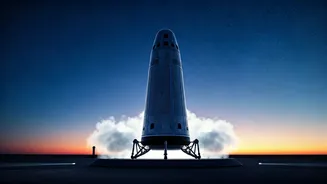
designed to validate every system and procedure before astronauts climb aboard. The first major uncrewed orbital flight, designated Gaganyaan-1 (G1), is slated for the second half of 2026. This mission will see the humanoid robot 'Vyommitra' sent into orbit to test life support systems and flight parameters. Following a series of successful preliminary tests, including integrated air-drop tests of the parachute system and pad abort tests, the focus is now on these full-scale orbital dress rehearsals. Four missions related to Gaganyaan are planned for the 2026-27 financial year, underscoring the accelerated pace as India prepares for its historic human spaceflight.
Meet India's 'Vyomanauts'
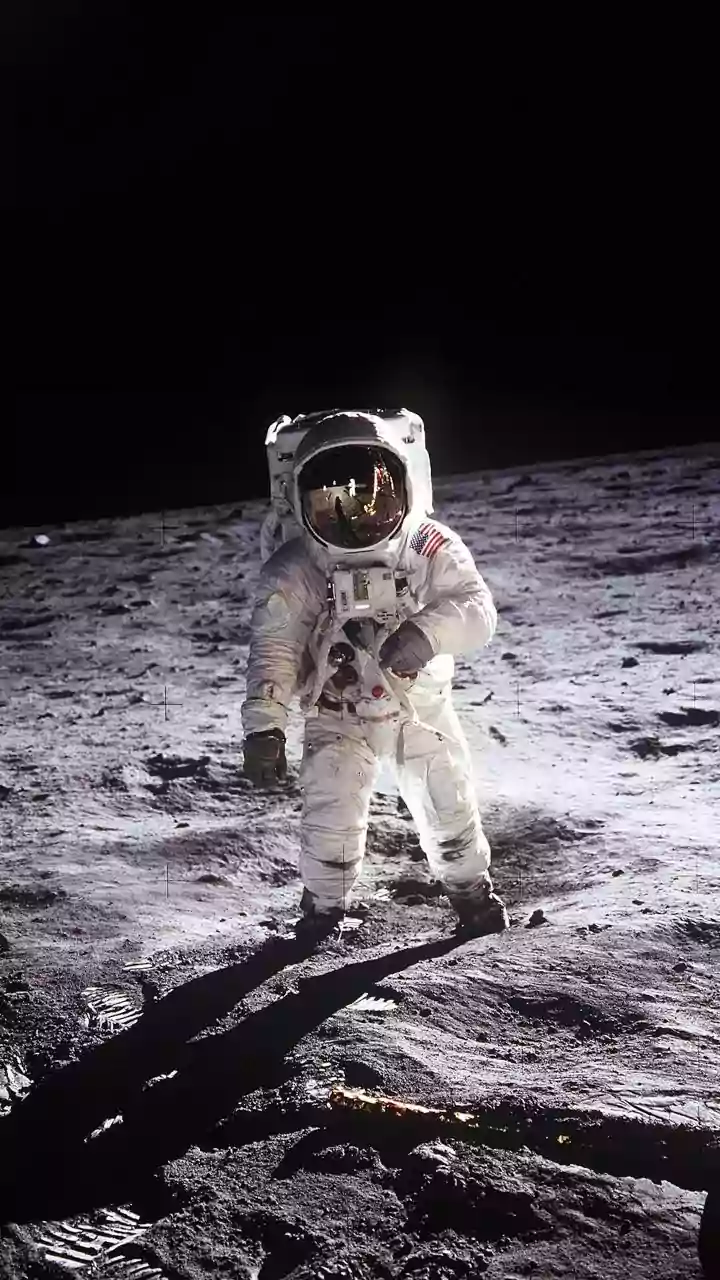
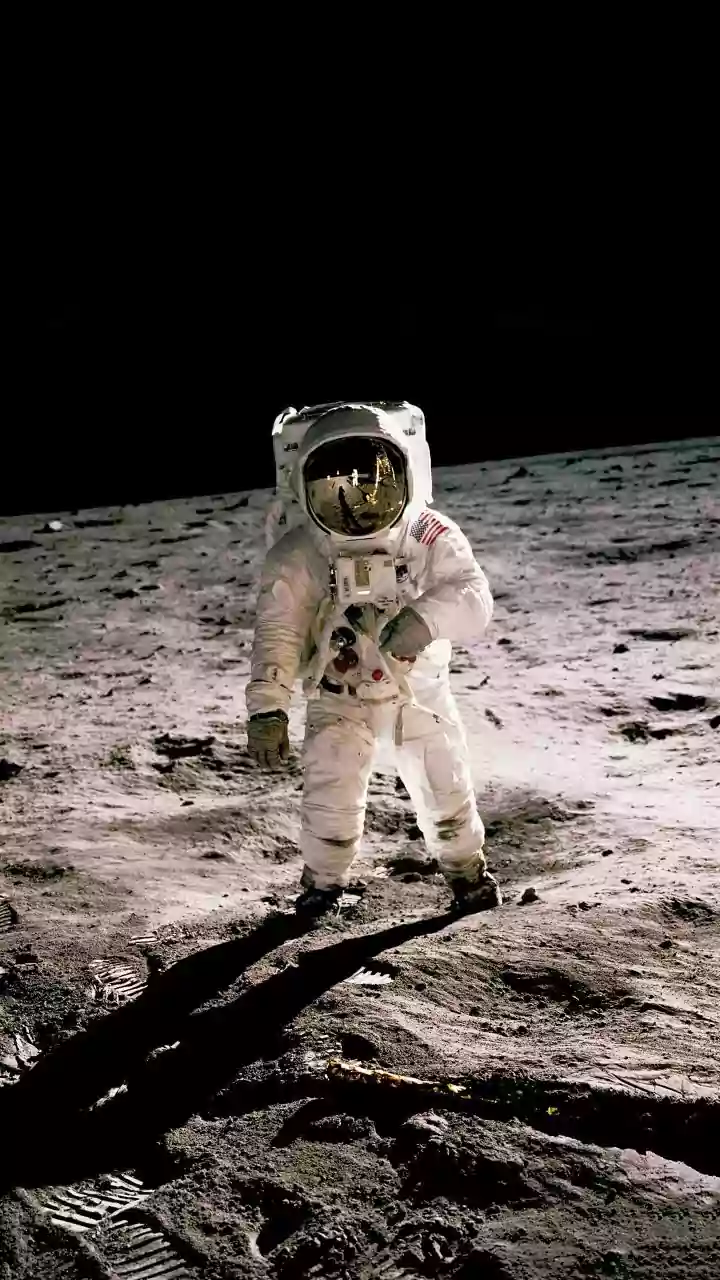
At the heart of this national endeavour are the four astronaut-designates, all distinguished pilots from the Indian Air Force: Group Captains Prashanth Nair, Ajit Krishnan, Angad Pratap, and Shubhanshu Shukla. These pioneers are undergoing extensive and rigorous training at facilities in India and abroad. Their preparation is multifaceted, covering everything from academic courses on flight systems to micro-gravity familiarization and survival training. At ISRO's Astronaut Training Facility in Bengaluru, they use advanced simulators, including static mock-ups of the crew module and virtual reality systems, to prepare for every conceivable scenario of their three-day mission in a 400 km orbit. This human-centric preparation is paramount, as their safety and success are the mission's ultimate objectives.
The Technology of Ascent
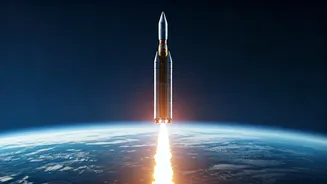
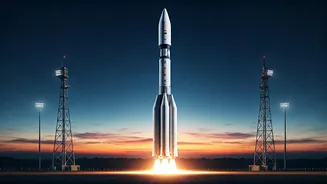
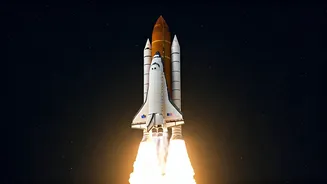
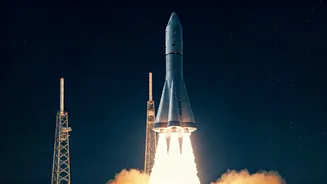
Sending humans to space requires a convergence of cutting-edge technologies, and ISRO has been systematically building and perfecting each component. The primary launch vehicle, the Human-Rated LVM3 (HLVM3), has been qualified and is ready for the uncrewed missions. This powerful rocket is equipped with a Crew Escape System designed to ensure astronaut safety in case of a launch anomaly. Significant progress has also been made in developing life support systems, advanced propulsion technologies, and robust communication infrastructure to track the crew module globally. Partnerships with international agencies like the Swedish Space Corporation and the European Space Agency for ground station support and tracking further enhance the mission's reliability. These technological milestones are not just for Gaganyaan; they are foundational for India's future space ambitions.
The Countdown to History
With the successful completion of several precursor missions, all eyes are now on the upcoming uncrewed flights. The G1 mission in late 2026 is the most significant milestone on the immediate horizon. Its success will be followed by further tests before the first crewed flight, which is now targeted for 2027. While the timeline has seen revisions due to the complexity of the mission and challenges like the COVID-19 pandemic, the programme is steadily advancing. Prime Minister Narendra Modi has repeatedly highlighted Gaganyaan as a cornerstone of India's development journey, signalling strong national commitment. The successful launch will make India only the fourth country in the world to possess independent human spaceflight capability, joining an elite club of space-faring nations.
Beyond Orbit: A New Era for India
The Gaganyaan mission is more than just a single flight; it's a gateway to a new era of space exploration for India. It serves as a direct stepping stone to the nation's ambitious goal of establishing its own space station, the 'Bharatiya Antariksh Station', by 2035, with the first module planned for a 2028 launch. The expertise gained from Gaganyaan in life support, human rating of systems, and microgravity studies will be invaluable for these future long-duration missions. Furthermore, the programme is expected to create new opportunities in space medicine and inspire a generation of students to pursue careers in science and technology. By demonstrating its ability to send humans to space, India is cementing its position as a major global space power and unlocking a future of scientific discovery and technological innovation.