






Why Variety Is the True Superfood
We often get caught up searching for the single best food, but nutrition doesn't work that way. A healthy diet is about the bigger picture, and when it comes to grains, variety is crucial. Just like you wouldn't eat only carrots and ignore other vegetables,
relying on just one or two grains means you miss out on a wide spectrum of nutrients. Each whole grain offers a unique profile of vitamins, minerals, and types of fiber. For example, oats are famous for their soluble fiber which can help lower cholesterol, while quinoa is a complete protein, providing all essential amino acids. By rotating through different grains, you ensure your body gets a more comprehensive toolkit of nutrients. This diversity also supports a healthier gut microbiome, as different fibers feed different beneficial bacteria, which is essential for everything from digestion to immune function.
Meet Your Pantry's New All-Stars
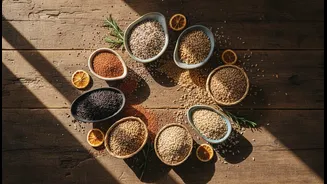
Expanding your grain repertoire doesn't have to be complicated. It starts with understanding what makes whole grains different from refined ones. Whole grains contain all three parts of the kernel: the bran, germ, and endosperm, delivering fiber, B vitamins, healthy fats, and antioxidants. Refined grains, like white rice and white flour, have had the bran and germ removed, stripping away most of these benefits. Beyond the usual brown rice and whole-wheat bread, consider adding these nutritious and versatile options to your rotation: Barley: This chewy grain is packed with fiber and is particularly good for heart health and blood sugar control. It adds a wonderful, hearty texture to soups, stews, and salads. Millet: A gluten-free grain that cooks up fluffy like couscous or creamy like porridge, depending on how you prepare it. It's a good source of magnesium, which is important for bone health and nerve function. Quinoa: Often mistaken for a grain, this seed is a powerhouse of nutrition. It’s a complete protein and cooks in about 15 minutes, making it a fantastic quick meal base. Oats: Not just for breakfast, rolled oats can be used in baking, as a binder in meatballs, or added to smoothies for a fiber boost.
Fitting Grains into Real, Busy Lives
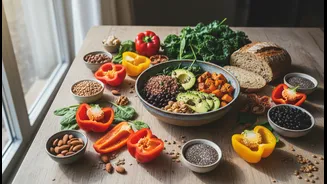
The key to a varied grain diet is making it practical. No one has time for complex recipes on a Tuesday night. The trick is to start small and make simple swaps. If you eat rice regularly, try mixing brown rice with white rice to get used to the texture, then gradually shift the ratio. Another great strategy is batch cooking. At the start of the week, cook a large pot of a grain like farro or barley. You can then easily add a scoop to salads for lunch, use it as a base for a grain bowl for dinner, or mix it into a vegetable soup. Think about your meals and where a grain could fit. A breakfast porridge can be made with a mix of oats and millet. Instead of a plain green salad, add a half-cup of cooked quinoa for more protein and staying power. Even snacks can be an opportunity—popcorn is a whole grain, and whole-grain crackers are a great vehicle for hummus or cheese.
Making New Grains Delicious
A new grain might seem intimidating, but a few simple tricks can make a world of difference in flavor. One of the easiest ways to boost taste is to cook the grain in a low-sodium broth instead of water. Toasting grains like quinoa or millet in a dry pan for a few minutes before adding liquid can also bring out a nutty, more complex flavor. Don't be afraid to mix and match. Combining the creamy texture of millet with the pop of quinoa can create a more interesting breakfast bowl or side dish. Finally, treat your grains like you would any other part of your meal. Season them well with herbs and spices, toss them with roasted vegetables, or finish with a flavourful dressing or sauce. A simple grain bowl becomes a delicious and satisfying meal with the right additions.