






Forget the Schedule, Trust Your Fingers
During summer, a daily watering schedule might work, but the monsoon demands a more hands-on approach. Soil that dried out in a day during May can now stay wet for three or four days. The single most important change is to stop watering automatically
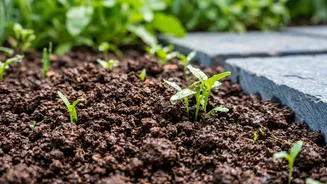
and start checking the soil manually. The 'finger test' is your most reliable tool. Push your finger about one to two inches into the soil. If it feels dry at that depth, it's time to water. If you feel any moisture, wait another day and check again. This simple habit is the best way to prevent overwatering, which is the leading cause of plant failure during the rainy season.
Good Drainage Is Non-Negotiable
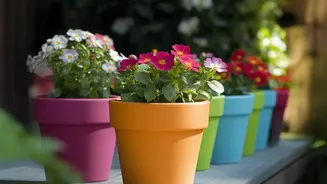
Overwatering doesn't just mean giving a plant too much water; it means the soil stays waterlogged, cutting off oxygen to the roots. This leads to root rot, a condition where roots turn brown, mushy, and can no longer absorb nutrients. Your first line of defence is ensuring every pot has clear drainage holes. Check them regularly to make sure they aren't blocked by compacted soil or roots. It's also a great practice to slightly elevate your pots using 'pot feet' or a few bricks. Lifting a pot even a few centimetres off the ground improves airflow and allows excess water to escape freely. Also, if your pots sit in saucers, be sure to empty any collected water after it rains.
Know the Signs of Water Distress
Ironically, a plant suffering from root rot can look thirsty, with drooping or wilting leaves. The key difference is the feel of the leaves and the state of the soil. The leaves of an overwatered plant often feel soft and may turn yellow, while the soil remains soggy. You might also notice a sour or swampy smell from the soil, a clear sign of decay. An underwatered plant, on the other hand, will have dry, crispy leaves, and the soil will be bone-dry, sometimes even shrinking away from the sides of the pot. Learning to spot these differences helps you diagnose the problem correctly and act before it's too late.
Protect Plants from Heavy Downpours
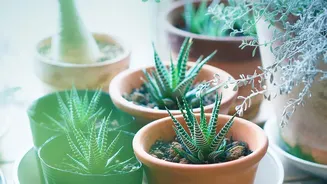
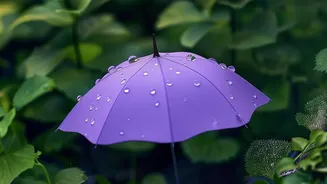
Not all rain is the same. While a light drizzle is beneficial, a heavy downpour can physically damage plants and super-saturate the soil in minutes. If possible, move smaller, more sensitive plants—like succulents, cacti, or young saplings—to a covered area during intense storms. For larger pots that are difficult to move, you can get creative. Some gardeners use umbrellas or even tie a waterproof sheet or trash bag around the base of the plant to shield the soil from the worst of the deluge. This prevents the potting mix from becoming completely waterlogged and gives the roots a fighting chance.
Consider Humidity and Airflow
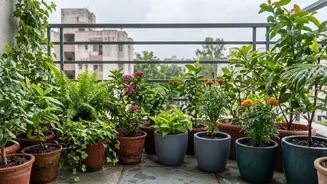
The rainy season isn't just about water; it's also about high humidity. Humid air slows down evaporation from both the leaves and the soil surface. This means that even on days when it doesn't rain, your plants are losing less water and need less from you. High humidity combined with wet conditions also creates the perfect environment for fungal diseases. To combat this, ensure there's good air circulation around your plants. Avoid overcrowding your pots. Giving each plant a little breathing room helps the leaves and soil surface dry out faster, reducing the risk of fungal infections like powdery mildew.