






Why Your Digestion Slows Down
As the skies open up, our internal systems tend to slow down. In Ayurveda, this is described as a weakening of 'agni', or the digestive fire. The damp, cool weather and cloudy skies are believed to impair the body's ability to break down food efficiently.
From a modern perspective, the high humidity can create an environment where our metabolism becomes a bit sluggish. This combination makes us more susceptible to indigestion, bloating, and gastric problems. The body is already working harder to maintain its core temperature and fight off the increased bacteria and viruses in the environment. Giving it heavy, complex foods to digest adds an unnecessary burden, diverting energy that could be used for immune defence.
The Magic of Warm Water
It might sound deceptively simple, but switching from cold water to warm or lukewarm water is one of the most effective monsoon health hacks. Cold drinks can constrict your blood vessels and further dampen your digestive fire, making it harder for your system to process meals. Warm water, on the other hand, has the opposite effect. It soothes the digestive tract, helps break down fats more effectively, and aids in flushing out toxins. Sipping warm water with additions like ginger, honey, or lemon throughout the day not only keeps you hydrated but also stimulates digestion, helps clear congestion, and provides a gentle warming effect that feels incredibly comforting during a downpour. It’s a simple change that supports your body’s natural processes when they need it most.
The Power of a Simple Plate
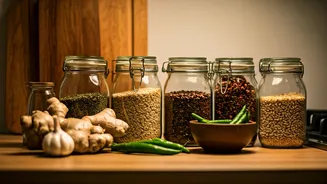
When we say 'simple food', we mean meals that are light, well-cooked, and easy for your body to recognise and digest. The undisputed champion of monsoon meals is khichdi. This one-pot dish of rice and moong dal is a powerhouse of nutrition that is gentle on the stomach. Other excellent choices include light soups, steamed vegetables, and simple dals. The key is to favour cooking methods like steaming, boiling, and sautéing over deep-frying. These methods make food more digestible and retain nutrients without adding excess oil, which can feel heavy and lead to lethargy. Incorporating digestive spices like ginger, garlic, turmeric, cumin, and black pepper not only adds flavour but also actively aids the digestive process and boosts immunity.
Foods to Favour This Season
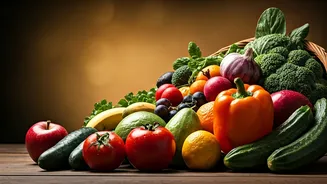
Your monsoon grocery list should be filled with foods that are naturally light and easy to digest. Focus on seasonal vegetables like bottle gourd (lauki), ridge gourd (tori), bitter gourd (karela), and pumpkin. These are high in fibre and water content but low in calories. For grains, opt for aged rice, barley, and oats. Moong dal is the preferred lentil as it is the lightest to digest among all pulses. Fruits like apples, pomegranates, and pears are good choices, but ensure they are thoroughly washed and consumed fresh. A small amount of ghee in your cooking is also beneficial, as it lubricates the digestive tract and helps balance the internal environment without being heavy.
What to Keep Off Your Plate
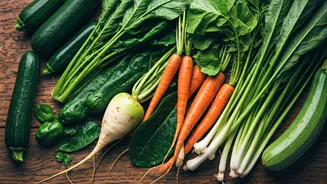
Just as important as what you eat is what you avoid. Leafy green vegetables, while normally healthy, can be problematic during the monsoon. They grow in damp, muddy conditions, making them more likely to carry dirt and germs that are hard to wash off. Raw salads should also be avoided for the same reason—the risk of bacterial contamination is significantly higher. It’s also wise to reduce your intake of heavy dairy products like cheese and cream, as they are difficult to digest. And while the heart craves pakoras and samosas on a rainy day, fried and oily foods are a direct invitation to indigestion and bloating. Finally, be extra cautious with street food, especially anything involving water (like chutneys or pani puri), as the risk of water-borne diseases like typhoid and cholera peaks during this season.