




The Science of Sweat
To understand why humidity is such a game-changer, you have to understand how your body cools itself. During exercise, your core temperature rises, and your body's primary cooling mechanism is sweating. But it's not the sweat itself that cools you; it's the evaporation
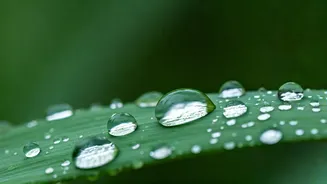
of that sweat from your skin. This process pulls heat away from the body. When humidity is high, the air is already saturated with water vapor, meaning there's little to no room for your sweat to evaporate. Instead, it just drips off your skin without providing its intended cooling effect. As a result, your core temperature continues to climb, forcing your heart to work harder to pump blood to the skin in an attempt to cool down, which puts a significant strain on your cardiovascular system.
Recognising the Risks
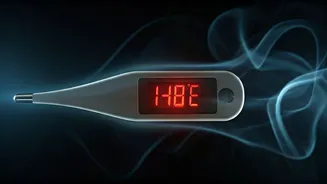
Training in high humidity without making adjustments significantly increases the risk of heat-related illnesses. The two most common are heat exhaustion and heatstroke. Heat exhaustion occurs when your body overheats and can't cool itself down, often due to dehydration and salt loss. Symptoms include heavy sweating, dizziness, fatigue, nausea, headache, and cool, clammy skin. If you experience these signs, it's crucial to stop exercising, move to a cool place, and rehydrate. If left untreated, heat exhaustion can progress to heatstroke, a life-threatening medical emergency. Heatstroke happens when your core body temperature rises to 40°C or higher. Key signs include confusion, loss of consciousness, a rapid pulse, and hot, red skin, which may be dry because the body's cooling system has shut down. This condition requires immediate emergency medical attention.
Adapt Your Training Strategy
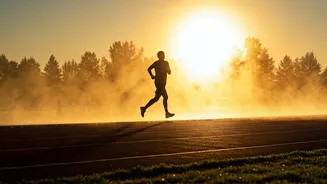
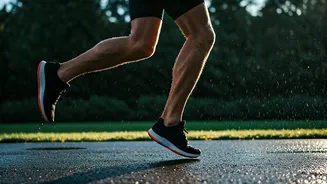
You don't have to retreat indoors for the entire summer. With a few smart adjustments, you can continue training safely. The most effective strategy is to time your workouts to avoid the worst of the heat and humidity, typically by exercising in the early morning or late evening. It's also essential to adjust your expectations. Your usual pace will feel much harder, and your performance will likely dip. Instead of focusing on speed or distance, train by effort. Slow down, and don't be afraid to incorporate walk breaks. Proper hydration is non-negotiable. Drink plenty of water before, during, and after your workout. For longer sessions, an electrolyte drink can help replace the salts lost through sweat. Finally, dress the part. Wear lightweight, loose-fitting, and moisture-wicking clothing to help what little evaporation is possible.
The Power of Acclimatisation
Your body is remarkably adaptable. Over time, you can acclimatise to training in the heat and humidity. This process, which typically takes about 10 to 14 days of consistent exposure, results in several physiological benefits. Your body becomes more efficient at cooling itself, you start sweating earlier, your sweat rate increases, and your plasma volume expands, which reduces cardiovascular strain. To acclimatise safely, gradually increase the duration and intensity of your workouts in the heat. Start with shorter, easier sessions and give your body time to adjust. Don't try to push through a high-intensity workout on the first humid day of the year. Listen to your body, be patient, and respect the environmental stress you're putting yourself under.